How to Make a Shroom Spore Print: A Comprehensive Guide

How to Make a Shroom Spore Print: A Comprehensive Guide

Creating a spore print from magic mushrooms, such as Psilocybe cubensis, is an essential technique for mushroom cultivators and mycology enthusiasts. Spore prints are crucial for mushroom identification and cultivation, offering a glimpse into the fascinating world of fungi spores. This comprehensive guide will walk you through the process step-by-step, ensuring you can collect and store mushroom spores effectively.

What You’ll Need

  • Fresh, mature mushroom caps
  • White and black paper or aluminum foil
  • Glass or plastic container (to cover the cap)
  • Sterile tweezers or gloves
  • Clean knife or scalpel
  • Zip-lock bags or small envelopes (for storing the spore print)
  • Isopropyl alcohol for sterilizing tools
  • Optional: hair spray for preserving the print

Step-by-Step Guide

1. Select and Prepare the Mushroom Cap

Choose a healthy, mature mushroom with a fully opened cap. The gills should be exposed, indicating that the spores are ready to be released. Using a sterile knife or scalpel, carefully cut the stem close to the cap to avoid contamination. This step is crucial in creating a successful spore print.

mushroom humor

2. Prepare the Printing Surface

Place a piece of white and black paper side by side, or use aluminum foil. The contrasting colors will help you see the spores clearly, regardless of their color. Foil is also convenient for later use in creating spore syringes or other cultivation methods. Ensure the surface is flat and free from debris.

3. Place the Mushroom Cap on the Surface

Gently place the mushroom cap, gill-side down, onto the prepared paper or foil. Ensure the cap is flat and in full contact with the surface. If using multiple caps, space them out to avoid overlapping prints, which could lead to contamination.

4. Cover the Mushroom Cap

Cover the mushroom cap with a glass or plastic container to create a humid environment. This helps prevent the cap from drying out and ensures that millions of spores are released onto the paper or foil. Leave the cap covered for 6-12 hours to allow adequate spore release.

shroom shirt

5. Remove the Cap and Examine the Print

After the designated time, carefully lift the container and the mushroom cap. You should see a pattern on the paper or foil where the spores have fallen. This spore print replicates the mushroom’s gill structure and varies in color depending on the species. Common colors include black, purple, brown, and white spores.

6. Storing the Spore Print

Allow the spore print to dry completely before handling it. Once dry, store it in a zip-lock bag or small envelope. Label the container with the mushroom species and the collection date. Keep the spore print in a cool, dry place to maintain its viability.

Tips and Considerations

  • Sterility: Always use sterile equipment and wear gloves to avoid contaminating the spores. Clean your tools with isopropyl alcohol before use.
  • Multiple Prints: To increase your chances of success, consider making multiple spore prints from different caps.
  • Proper Storage: Store spore prints away from moisture and extreme temperatures to maintain their viability. If desired, you can spray the print with hair spray to preserve it for display purposes.

Uses of Spore Prints

Identification

Spore prints are used to identify mushroom species based on spore color and pattern. Accurate identification is crucial, especially when distinguishing between edible mushrooms and poisonous mushrooms.

Cultivation

Spore prints can be used to create spore syringes and spore solutions, essential for inoculating substrates in mushroom cultivation. They can also be used to start liquid cultures or agar plates, providing a base for growing mushrooms from spores.

Research

Spore prints are valuable for mycological research, including studying genetic diversity and fungal ecology. They provide a reproducible way to study mushroom species and their reproductive mechanisms.

Advanced Techniques

Creating a Spore Syringe

  1. Sterilize: Sterilize your tools, including a syringe and water, by boiling or using isopropyl alcohol.
  2. Collect Spores: Scrape the spores from the spore print into sterile water using a sterile scalpel.
  3. Mix and Store: Draw the spore-filled water into the syringe and store it in a sterile container. Label the syringe with the species and date.

Using Agar Plates

  1. Prepare Agar: Pour sterile agar solution into petri dishes.
  2. Inoculate: Transfer a small amount of spores from the spore print onto the agar surface using a sterile tool.
  3. Incubate: Allow the agar plates to incubate in a suitable environment to encourage mycelium growth.

Spore Print Art

Beyond scientific and cultivation uses, spore prints can also be used for artistic expression. Stunning spore prints can be created on different colored papers or surfaces, preserved with hair spray, and framed for display. This form of mushroom spore print art not only showcases the beauty of fungal reproductive patterns but also serves as a unique piece of natural art.

Conclusion

Making a shroom spore print is a fundamental process for anyone interested in mushroom cultivation or mycology. By following this comprehensive guide, you can successfully create and store spore prints from your magic mushrooms, aiding in identification, cultivation, and research. Remember to practice sterility and proper storage techniques to ensure the best results.

For more detailed information and additional tips on making spore prints, visit Wholecelium.

Short Description: Learn how to create a shroom spore print with this comprehensive guide. Essential for mushroom identification, cultivation, and research, spore prints are easy to make with the right preparation and techniques.

coming down from a psychedelic trip: a companion’s guide

coming down from a psychedelic trip: a companion’s guide

Coming Down: A Companion’s Guide

Introduction

Experiencing the “come down” after a psychedelic trip can be just as crucial as the trip itself. The post-trip phase can bring a mix of emotions and sensations, from euphoria and enlightenment to confusion and anxiety. As a companion to someone coming down from a psychedelic experience, your role is vital in ensuring a smooth transition back to reality. This guide will provide you with the tools and knowledge needed to support your friend during this vulnerable time.

Understanding the Come Down

The come down is the period after the peak effects of a psychedelic substance begin to wane. This phase can vary in duration and intensity, depending on the substance used, the dosage, the individual’s mindset, and the environment. Common psychedelics such as psilocybin (magic mushrooms), LSD (lysergic acid diethylamide), DMT (dimethyltryptamine), and MDMA (ecstasy) each have unique come down characteristics.

  • Psilocybin Mushrooms: Users might feel introspective, contemplative, and emotionally sensitive as the effects fade. Some may experience a sense of awe or sadness as the intense visuals and emotional highs diminish.
  • LSD: The come down from LSD can be lengthy, with lingering visual distortions and heightened sensory perceptions. Users may feel tired but find it challenging to sleep.
  • DMT: The come down from DMT is often quick, as the effects are short-lived. Users might feel a mix of bewilderment and amazement as they process the intense experience.
  • MDMA: Known for its empathogenic effects, the come down from MDMA can include feelings of depletion, sadness, and emotional sensitivity due to the temporary depletion of serotonin.

third eye chakra

The Role of a Companion

As a companion, your primary goal is to provide a safe, supportive, and non-judgmental space for your friend as they come down. Here are some key aspects to consider:

1. Create a Comfortable Environment

Ensure the space is calm, safe, and free from unnecessary stimuli. Soft lighting, comfortable seating, and soothing music can help create a relaxing atmosphere. If outdoors, choose a quiet, serene spot away from potential disturbances.

2. Offer Emotional Support

Be present and attentive. Listen actively without interrupting or offering unsolicited advice. Validate their feelings and experiences, and reassure them that what they are going through is normal and will pass.

third eye chakra

3. Encourage Hydration and Nutrition

Psychedelics can be physically taxing. Encourage your friend to drink water and eat light, nutritious snacks. Avoid caffeine or alcohol, as these can exacerbate dehydration and anxiety.

4. Promote Rest and Relaxation

If your friend feels tired, encourage them to rest or sleep. Gentle activities like meditative breathing, soft music, or even light stretching can help them relax and unwind.

Managing Anxiety and Negative Thoughts

The come down can sometimes bring about anxiety or negative thoughts, especially if the trip was intense or challenging. Here’s how to help manage these feelings:

1. Grounding Techniques

Help your friend stay grounded by focusing on the present moment. Encourage them to engage in grounding activities like feeling the texture of a blanket, listening to calming sounds, or taking deep breaths.

2. Positive Reassurance

Remind your friend that they are safe and that the feelings they are experiencing are temporary. Positive affirmations and gentle reassurances can help alleviate fear and anxiety.

3. Mindfulness and Meditation

Guiding your friend through mindfulness or a short meditation session can help them center their thoughts and reduce anxiety. Simple breathing exercises or guided meditations can be effective.

Reflecting on the Experience

After the immediate come down, it can be beneficial to reflect on the experience. This can help integrate the insights gained during the trip and promote personal growth.

1. Encourage Journaling

Writing about the experience can help your friend process their thoughts and emotions. Encourage them to jot down key insights, feelings, and any significant moments from the trip.

2. Open Dialogue

Engage in a thoughtful conversation about the experience. Ask open-ended questions that encourage reflection, such as “What was the most meaningful part of your trip?” or “Did you gain any new insights about yourself?”

Recognizing When to Seek Help

While most come down experiences are manageable with the right support, some situations may require professional help. If your friend exhibits signs of severe distress, persistent anxiety, or inability to return to normal functioning, it’s important to seek professional assistance.

Conclusion

Supporting someone through the come down from a psychedelic experience requires empathy, patience, and understanding. By creating a safe environment, offering emotional support, and encouraging reflection, you can help your friend transition smoothly and integrate their experience into their daily life. Remember, the come down is an integral part of the psychedelic journey, and your support can make a significant difference in your friend’s overall experience.

For more information on supporting a psychedelic experience, visit Wholecelium.


Key Aspects of Supporting the Come Down

Effects of Psychedelic Substances

Psychedelic substances like psilocybin mushrooms, LSD, and DMT can lead to profound mystical experiences and significant alterations in perception. The intensity of these experiences can make the come down phase particularly challenging. Understanding the effects of psychedelics is crucial for providing effective support.

  • Psilocybin Mushrooms: Known for inducing vivid visual distortions and deep emotional insights, psilocybin mushrooms can leave users feeling introspective and sensitive as the effects wane.
  • LSD: LSD trips, often called acid trips, can last for several hours, with a prolonged come down that includes lingering sensory effects and visual distortions.
  • DMT: The rapid onset and short duration of DMT trips can make the come down quick but intense, with users often feeling a mix of awe and confusion as they process the experience.

Clinical Trials and Psychedelic Therapy

Clinical trials exploring the therapeutic potential of psychedelics have shown promising results for treating various mental health conditions, including PTSD, depression, and anxiety. These studies emphasize the importance of set and setting, trip preparation, and integration to maximize therapeutic outcomes and minimize challenging experiences.

  • Psychedelic-Assisted Therapy: Psychedelic therapy sessions often involve a controlled environment with professional support to guide individuals through their experiences and help them integrate the insights gained.

The Role of a Trip Sitter

A trip sitter can provide invaluable support during both the peak and come down phases of a psychedelic trip. Their presence can help manage challenging situations and ensure a safe, supportive environment.

  • Preparation: Before the trip, discuss the role of the trip sitter and establish clear communication about expectations and boundaries.
  • During the Trip: The trip sitter should remain calm, attentive, and non-judgmental, offering reassurance and grounding techniques as needed.
  • After the Trip: The trip sitter can assist with reflection and integration, helping the individual make sense of their experience and apply the insights to their daily life.

Managing Challenging Experiences

Despite the potential for profound insights and positive transformations, psychedelic trips can sometimes lead to challenging experiences or “bad trips.” These can include intense fear, anxiety, and negative thoughts.

  • Grounding Techniques: Encourage grounding activities like deep breathing, listening to soothing music, or engaging in light physical activity to help the individual stay connected to the present moment.
  • Positive Reassurance: Remind the individual that the experience is temporary and that they are safe. Offer positive affirmations and gentle encouragement.
  • Professional Support: If the individual experiences severe distress or persistent anxiety, consider seeking help from a mental health professional experienced in psychedelic integration.

Integration and Long-Term Benefits

Integration is a crucial part of the psychedelic experience, helping individuals process and apply the insights gained during their trip to their everyday lives.

  • Journaling: Encourage the individual to write about their experience, capturing key insights, emotions, and reflections.
  • Open Dialogue: Engage in thoughtful conversations about the trip, exploring its significance and potential impact on the individual’s life.
  • Continued Support: Offer ongoing support and encourage the individual to seek additional resources, such as therapy or support groups, to help with the integration process.

Conclusion

Supporting someone through the come down from a psychedelic experience requires empathy, patience, and understanding. By creating a safe environment, offering emotional support, and encouraging reflection, you can help your friend transition smoothly and integrate their experience into their daily life. Remember, the come down is an integral part of the psychedelic journey, and your support can make a significant difference in your friend’s overall experience.

For more information on supporting a psychedelic experience, visit Wholecelium.

Short Description: Learn how to support a friend coming down from a psychedelic experience. This guide provides tips on creating a comfortable environment, offering emotional support, managing anxiety, and encouraging reflection.

What is Ego Death?

What is Ego Death?

Ego death is a profound psychological experience often described in the context of psychedelics, spiritual practices, and deep meditation. It involves a complete loss of the sense of self or ego, leading to a state of unity and interconnectedness with the universe. This phenomenon has been discussed and explored by many psychonauts, researchers, and spiritual practitioners. Let’s delve into what ego death is, how it manifests, and its significance in both psychedelic experiences and spiritual growth.

Understanding the Ego

The ego is commonly understood as the part of the psyche that mediates between the conscious mind and the external world. It is associated with our sense of self, identity, and personal boundaries. The concept of ego is central to many psychological theories, including those proposed by Sigmund Freud and Carl Jung.

The Phenomenon of Ego Death

Ego death occurs when the ego’s boundaries dissolve, resulting in the loss of the self. This can be a disorienting and sometimes frightening experience, as it involves letting go of one’s identity and sense of control. However, it can also lead to profound insights, spiritual awakening, and a deep sense of interconnectedness.

ego dissolution t-shirt

Psychedelic Experience and Ego Death

Ego death is frequently reported in the context of psychedelic experiences induced by substances such as psilocybin (magic mushrooms), LSD (lysergic acid diethylamide), DMT (dimethyltryptamine), and 5-MeO-DMT. These serotonergic psychedelics can cause intense alterations in perception, cognition, and emotional states. Users often describe a sense of unity with the universe, a feeling of transcendence, and the dissolution of personal boundaries.

  • Psilocybin Mushrooms: Psilocybin, the active compound in magic mushrooms, is known to facilitate ego dissolution. Research conducted by institutions like Johns Hopkins University has shown that high doses of psilocybin can lead to mystical experiences characterized by a loss of self and a sense of unity with all that exists.
  • LSD and DMT: Similar experiences of ego death have been reported with LSD and DMT. These substances are known for their powerful hallucinogenic effects, which can include vivid visuals, altered sense of time, and profound spiritual insights.

Spiritual and Meditative Practices

Ego death is not exclusive to psychedelic experiences. It can also occur through deep meditation, yoga, and other spiritual practices. In many spiritual traditions, the dissolution of the ego is seen as a crucial step towards enlightenment or spiritual awakening.

  • Buddhism and Non-Duality: In Buddhism, the concept of anatta (non-self) is central. The practice of mindfulness and meditation aims to realize the non-self nature of existence, leading to a state where the ego is transcended.
  • Mystical Traditions: Various mystical traditions, including Sufism, Hinduism, and Christian mysticism, describe states of union with the divine that involve the dissolution of the ego.

ego dissolution t-shirt

The Significance of Ego Death

Ego death can be both a challenging and transformative experience. Here are some of the potential benefits and implications:

  • Spiritual Awakening: Ego death can lead to a profound sense of spiritual awakening and enlightenment. It often involves a deep realization of the interconnectedness of all things and a sense of unity with the universe.
  • Therapeutic Benefits: In the context of psychedelic-assisted therapy, ego dissolution can help individuals confront and process deep-seated traumas, overcome treatment-resistant depression, and reduce anxiety. The temporary loss of self can allow individuals to gain new perspectives on their lives and experiences.
  • Personal Growth: The experience of ego death can lead to significant personal growth. By transcending the ego, individuals may develop a greater sense of empathy, compassion, and understanding for others.

Managing the Experience

Ego death can be intense and overwhelming, especially for those unprepared for such a profound shift in consciousness. Here are some tips for managing the experience:

  • Set and Setting: As with any psychedelic experience, the importance of set and setting cannot be overstated. Being in a safe, comfortable environment with trusted individuals can help mitigate anxiety and facilitate a positive experience.
  • Preparation: Understanding what ego death entails and preparing mentally for the experience can help reduce fear and anxiety. Reading about others’ experiences and discussing them with experienced individuals can be beneficial.
  • Integration: After the experience, integrating the insights gained is crucial. This can involve practices such as journaling, therapy, and mindfulness to help make sense of the experience and apply the lessons learned to daily life.

Ego Death and the Default Mode Network

Recent studies have shown that psychedelics affect the brain’s default mode network (DMN), a network of brain regions that is active when the mind is at rest and engaged in self-referential thinking. The DMN is thought to be associated with the maintenance of the ego. During a psychedelic experience, activity in the DMN is often reduced, leading to a temporary loss of the ego and a sense of unity with the universe.

Negative Experiences and Risks

While ego death can be a profoundly positive experience, it can also be challenging and even traumatic if not properly managed. The dissolution of personal identity can lead to intense fear, anxiety, and a feeling of being lost or out of control. These negative experiences, often referred to as “bad trips,” highlight the importance of proper preparation and support during the experience.

The Role of a Trip Sitter

Having a trip sitter—someone who remains sober and provides support during the experience—can be invaluable. A trip sitter can help manage any anxiety or distress that arises, ensuring a safe and positive journey. Their presence can also provide a sense of security, allowing the individual to fully surrender to the experience.

Historical and Cultural Perspectives

The concept of ego death is not new and has been discussed in various historical and cultural contexts. Ancient shamanic traditions, Eastern spiritual practices, and Western mystical traditions all describe experiences of ego dissolution and unity with the divine. The modern psychedelic movement has brought renewed attention to these ancient practices, integrating them with contemporary understandings of psychology and neuroscience.

Therapeutic Potential of Ego Death

The therapeutic potential of ego death is significant. Psychedelic therapy sessions that facilitate ego dissolution can help individuals confront deep-seated psychological issues, foster personal growth, and promote mental health. Studies have shown that experiences of ego death can lead to lasting positive changes in behavior, mood, and overall well-being.

Integration and Long-Term Benefits

Integrating the experience of ego death into daily life is crucial for realizing its long-term benefits. This process can involve ongoing practices such as meditation, mindfulness, and therapy. By reflecting on the insights gained during the experience and applying them to everyday life, individuals can foster continued personal growth and spiritual development.

Conclusion

Ego death is a profound and transformative experience that can occur through the use of psychedelics or deep spiritual practices. While it involves the temporary loss of the self, it can lead to significant spiritual awakening, therapeutic benefits, and personal growth. Understanding and preparing for the experience can help individuals navigate it more effectively and integrate its insights into their lives.

magic truffles: the real philosopher’s stone?

magic truffles: the real philosopher’s stone?

Introduction to Magic Truffles

Magic truffles, often overshadowed by their more famous relatives, magic mushrooms, have been gaining attention in the world of psychedelics. These truffles, scientifically known as sclerotia, are an underground fungus that contains the same psychoactive compounds as magic mushrooms, primarily psilocybin and psilocin. Known for inducing profound psychedelic experiences, magic truffles are sometimes referred to as the “real philosopher’s stone.” Let’s explore what makes these enigmatic truffles so fascinating and why they are becoming a significant part of the psychedelic renaissance.

What Are Magic Truffles?

Magic truffles are the subterranean part of certain psilocybin-containing mushrooms, such as Psilocybe mexicana and Psilocybe tampanensis. Unlike the more visible fruiting bodies of mushrooms, truffles grow underground and serve as a storage organ for the fungus. They are dense, compact masses that store nutrients and moisture, allowing the fungus to survive adverse environmental conditions.

The Psychedelic Compound

The primary active compound in magic truffles is psilocybin, a naturally occurring psychedelic substance. When ingested, psilocybin is converted into psilocin, which interacts with serotonin receptors in the brain, particularly the 5-HT2A receptor. This interaction leads to the psychoactive effects that users experience, including altered sensory perceptions, visual and auditory hallucinations, and profound changes in thought and mood.

A t-shirt featuring a serene, psychedelic-inspired meditation design.

The Psychedelic Experience

The psychedelic experience induced by magic truffles can be similar to that of magic mushrooms, but there are unique aspects as well. Users often report a deep sense of introspection, enhanced creativity, and spiritual insights. Here are some common effects:

  • Visual and Auditory Hallucinations: Users may experience vivid visuals, often described as geometric patterns, shifting colors, and kaleidoscopic images. Auditory enhancements or distortions can also occur.
  • Altered Sense of Time: Time perception can be significantly altered, with minutes feeling like hours or vice versa.
  • Ego Dissolution: A hallmark of many psychedelic experiences, ego dissolution involves a temporary loss of the sense of self, leading to feelings of unity with the universe and a deep sense of interconnectedness.
  • Emotional and Spiritual Insights: Many users report profound emotional and spiritual experiences, including personal revelations and a heightened sense of empathy and connection to others.

Managing the Truffle Trip

Given the potency of magic truffles, it is essential to approach the experience with respect and preparation. Here are some tips for managing a truffle trip:

A t-shirt featuring a serene, psychedelic-inspired meditation design.

1. Set and Setting

As with any psychedelic experience, the importance of set and setting cannot be overstated. Ensure you are in a comfortable, safe environment, surrounded by people you trust. A positive mindset going into the experience can also significantly influence the outcome.

2. Dosage

Start with a lower dose, especially if you are new to magic truffles or psilocybin-containing mushrooms in general. This can help you gauge the potency and your individual reaction to the truffle.

3. Integration

After the experience, take time to integrate the insights and lessons learned. Journaling, talking with friends, or seeking the guidance of a therapist trained in psychedelic-assisted therapy can be beneficial.

Therapeutic Potential

Magic truffles, like their mushroom counterparts, hold significant therapeutic potential. Research has shown that psilocybin can be effective in treating a range of mental health conditions, including depression, anxiety, PTSD, and substance use disorders. The profound experiences induced by psilocybin can lead to lasting positive effects on mood, behavior, and overall well-being.

The Legal Status of Magic Truffles

The legal status of magic truffles varies by country. In the Netherlands, for example, magic truffles are legal and sold in smart shops, while magic mushrooms are banned. This distinction has made the Netherlands a popular destination for those seeking legal psychedelic experiences. In other parts of the world, including the United States, psilocybin remains a Schedule I substance, making its use and possession illegal. However, recent movements towards decriminalization and legalization in certain states and cities reflect a growing recognition of the potential benefits of psilocybin.

The Cultural and Historical Context

The use of psilocybin-containing mushrooms and truffles dates back thousands of years, with evidence of their use in various cultural and religious practices. Indigenous cultures in Mesoamerica have long used these substances in ceremonial and healing rituals. The term “philosopher’s stone,” often associated with magic truffles, symbolizes the search for ultimate wisdom and enlightenment, reflecting the profound and transformative nature of the psychedelic experience.

Potential Side Effects and Risks

While magic truffles can provide powerful and transformative experiences, they are not without potential risks. Some of the adverse effects can include:

  • Feelings of Anxiety: Intense experiences can sometimes lead to anxiety or paranoia, particularly if the individual is unprepared.
  • Increased Blood Pressure and Heart Rate: Physical effects such as elevated blood pressure and heart rate can occur, especially at higher doses.
  • Nausea and Gastrointestinal Discomfort: Some users may experience nausea or stomach upset, which can be mitigated by preparing the truffles in a tea or other palatable form.

It is also essential to be aware of potential interactions with other substances or medications. Consulting with a healthcare provider before using psilocybin truffles is recommended, especially for individuals with pre-existing health conditions or those taking other medications.

The Role of a Trip Sitter

Having a trip sitter—someone who remains sober and provides support during the experience—can be invaluable. A trip sitter can help manage any anxiety or distress that arises, ensuring a safe and positive journey. Their presence can also provide a sense of security, allowing the individual to fully surrender to the experience.

Exploring the World of Magic Truffles

Magic truffles offer a unique and accessible way to explore the world of psychedelics. Whether you are seeking personal insights, spiritual growth, or therapeutic benefits, these truffles provide a powerful tool for self-exploration and healing. As research continues to uncover the potential benefits of psilocybin, magic truffles may become an increasingly important part of the psychedelic landscape.

Conclusion

Magic truffles, often referred to as the “real philosopher’s stone,” offer a powerful and transformative psychedelic experience. Containing the same active compounds as magic mushrooms, these truffles provide profound insights, emotional healing, and a greater connection to the universe. For those interested in exploring the depths of consciousness, magic truffles present a unique and accessible option.

As research and legal frameworks continue to evolve, the therapeutic potential of psilocybin truffles may become more accessible, offering new avenues for mental health treatment and personal growth. Whether you are a seasoned psychonaut or a curious newcomer, magic truffles promise a journey into the heart of psychedelia and beyond.

Discovering the McKennaii Mushroom Strain

Discovering the McKennaii Mushroom Strain

Introduction to McKennaii Mushrooms

The world of magic mushrooms is vast and varied, with numerous strains offering unique experiences and effects. One particularly intriguing strain is the McKennaii mushroom, named in honor of the legendary psychonaut Terence McKenna. Known for its potent psychedelic effects and rich history, the McKennaii strain stands out as a favorite among both novice and experienced psychonauts. Let’s dive into the fascinating world of the McKennaii mushroom and explore what makes it so special.

Origins and Naming

The McKennaii mushroom strain is a relatively new addition to the world of psilocybin mushrooms. It was named after Terence McKenna, a prominent advocate for the exploration of altered states of consciousness through the use of psychedelics. McKenna’s work in the field of psychedelics, including his extensive writings and lectures, has inspired countless individuals to explore the realms of consciousness through substances like magic mushrooms.

psychonaut dream category pic

Characteristics of the McKennaii Mushroom

Appearance

The McKennaii strain is known for its distinctive appearance. These mushrooms typically feature a thick, sturdy stem and a broad cap that can range in color from light brown to golden yellow. The caps often have a wavy or irregular shape, giving them a unique and somewhat whimsical look. The gills underneath the cap are closely spaced and can vary in color from pale to dark brown as the mushroom matures.

Potency

One of the standout features of the McKennaii strain is its potency. Users often report strong psychedelic effects, even at lower doses. This makes the McKennaii mushroom a popular choice for those seeking a powerful and transformative psychedelic experience. The high potency is attributed to the high concentration of psilocybin and psilocin, the active compounds responsible for the hallucinogenic effects.

team mckenna

The Psychedelic Experience

The psychedelic experience induced by the McKennaii mushroom is often described as intense and immersive. Users may experience a wide range of effects, including:

  • Visual and Auditory Hallucinations: Vivid open-eye visuals and closed-eye visuals are common, often featuring intricate patterns, vibrant colors, and fluid shapes. Auditory hallucinations, such as enhanced music appreciation and the perception of sounds, can also occur.
  • Altered Sense of Time: Time distortion is a frequent aspect of the McKennaii experience. Minutes can feel like hours, and users may lose track of time altogether.
  • Ego Dissolution: A hallmark of powerful psychedelic experiences, ego dissolution involves a temporary loss of the sense of self. This can lead to profound insights and a feeling of interconnectedness with the universe.
  • Emotional and Spiritual Insights: Many users report deep emotional and spiritual experiences, often involving personal revelations, a sense of unity with the cosmos, and a greater understanding of themselves and their place in the world.

Managing the Experience

Given the potency of the McKennaii mushroom, it’s essential to approach the experience with respect and preparation. Here are some tips for managing a McKennaii trip:

1. Set and Setting

As with any psychedelic experience, the importance of set and setting cannot be overstated. Ensure you are in a comfortable, safe environment, surrounded by people you trust. A positive mindset going into the experience can also significantly influence the outcome.

2. Dosage

Start with a lower dose, especially if you are new to the McKennaii strain or psilocybin mushrooms in general. This can help you gauge the potency and your individual reaction to the mushroom.

3. Integration

After the experience, take time to integrate the insights and lessons learned. Journaling, talking with friends, or seeking the guidance of a therapist trained in psychedelic-assisted therapy can be beneficial.

The Therapeutic Potential

The McKennaii strain, like other psilocybin mushrooms, holds significant therapeutic potential. Research has shown that psilocybin can be effective in treating a range of mental health conditions, including depression, anxiety, PTSD, and substance use disorders. The profound experiences induced by psilocybin can lead to lasting positive effects on mood, behavior, and overall well-being.

The Legal Status of Psilocybin Mushrooms

While the therapeutic potential of psilocybin is promising, it is important to note that psilocybin mushrooms, including the McKennaii strain, are still classified as Schedule I substances in many countries. This classification means that they are considered to have a high potential for abuse and no accepted medical use, making research and access challenging.

However, recent years have seen a growing movement to decriminalize and legalize psilocybin mushrooms. Several cities and states in the United States, including Denver, Oakland, and Oregon, have passed measures to decriminalize or legalize the use of psilocybin mushrooms for therapeutic purposes. This shift in policy reflects a growing recognition of the potential benefits of psilocybin and a desire to explore its use in a controlled, safe manner.

Cultivating McKennaii Mushrooms

For those interested in growing their own McKennaii mushrooms, understanding the cultivation process is crucial. The McKennaii strain, like other Psilocybe cubensis mushrooms, can be grown using a variety of methods. A comprehensive guide to growing magic mushrooms, such as the “Magic Mushroom Grower’s Guide,” can provide detailed instructions on substrate preparation, inoculation, and fruiting conditions.

Growing Conditions

McKennaii mushrooms thrive in warm, humid environments. Ideal temperatures for growth range from 24 to 27 degrees Celsius (75 to 81 degrees Fahrenheit), and maintaining proper humidity levels is essential. Direct sunlight should be avoided, as it can dry out the substrate and harm the developing mushrooms. Instead, use indirect light or artificial lighting to simulate natural conditions.

Dosage and Effects

The McKennaii mushroom is known for its high potency, and dosage can vary based on individual preferences and experience levels. Common dosages include:

  • Microdose: 0.1 to 0.5 grams, providing subtle effects and enhanced focus.
  • Standard Dose: 1 to 2.5 grams, inducing moderate psychoactive effects and a typical psychedelic trip.
  • Heroic Dose: 5 grams or more, leading to intense and often overwhelming experiences, including ego dissolution and deep spiritual insights.

The effects of McKennaii mushrooms can include a wide range of visual, auditory, and emotional experiences. Users often report heightened sensory perceptions, a deep sense of connection with the universe, and profound personal insights.

Potential Interactions and Adverse Effects

While McKennaii mushrooms can provide powerful and transformative experiences, they are not without potential risks. Adverse effects can include:

  • Feelings of Anxiety: Intense experiences can sometimes lead to anxiety or paranoia, particularly if the individual is unprepared.
  • Increased Blood Pressure and Heart Rate: Physical effects such as elevated blood pressure and heart rate can occur, especially at higher doses.
  • Nausea and Gastrointestinal Discomfort: Some users may experience nausea or stomach upset, which can be mitigated by preparing the mushrooms in a tea or other palatable form.

It is also essential to be aware of potential interactions with other substances or medications. Consulting with a healthcare provider before using psilocybin mushrooms is recommended, especially for individuals with pre-existing health conditions or those taking other medications.

The Cultural and Historical Context

The use of psilocybin-containing mushrooms dates back thousands of years, with evidence of their use in various cultural and religious practices. Indigenous cultures in Mesoamerica have long used magic mushrooms in ceremonial and healing rituals, a practice that continues to influence modern psychedelic use.

The McKennaii strain, named after Terence McKenna, carries forward this rich cultural history. McKenna’s work in the psychedelic field has left a lasting legacy, inspiring both scientific research and personal exploration of these powerful substances.

Exploring the Psychedelic Experience

The psychedelic experience with McKennaii mushrooms can be deeply personal and transformative. Users often describe a journey that includes visual and auditory hallucinations, a distorted sense of time, and profound emotional and spiritual insights. This experience can be both exhilarating and challenging, underscoring the importance of preparation and support.

The Role of a Trip Sitter

Having a trip sitter—someone who remains sober and provides support during the experience—can be invaluable. A trip sitter can help manage any anxiety or distress that arises, ensuring a safe and positive journey. Their presence can also provide a sense of security, allowing the individual to fully surrender to the experience.

Conclusion

The McKennaii mushroom strain offers a powerful and transformative psychedelic experience, making it a favorite among those seeking to explore the depths of consciousness. Named in honor of Terence McKenna, this strain embodies the spirit of psychedelic exploration and the quest for understanding and self-discovery.

For those interested in the McKennaii mushroom, it is essential to approach the experience with respect, preparation, and an open mind. With the right set and setting, the McKennaii strain can provide profound insights, emotional healing, and a greater connection to the universe.

As research and legal frameworks continue to evolve, the therapeutic potential of psilocybin mushrooms like the McKennaii strain may become more accessible, offering new avenues for mental health treatment and personal growth. Whether you are a seasoned psychonaut or a curious newcomer, the McKennaii mushroom promises a journey into the heart of psychedelia and beyond.

can psychedelics replace opioids as addiction-free painkillers?

can psychedelics replace opioids as addiction-free painkillers?

Magic mushrooms, also known as psilocybin mushrooms, have a rich history of use in spiritual and healing rituals. These mushrooms contain the psychedelic compound psilocybin, which induces altered states of consciousness, including hallucinations and profound shifts in perception. While many people seek out these experiences for their potential positive effects, such as mind expansion, spiritual awakening, and healing, others find themselves grappling with anxiety. This article delves into why anxiety can occur during a psychedelic experience with psilocybin mushrooms and how to manage it effectively.

The Psychedelic Experience and Anxiety

Psychedelic drugs, including psilocybin, LSD (lysergic acid diethylamide), and DMT (dimethyltryptamine), have the potential to induce intense sensory perceptions, emotional shifts, and spiritual experiences. These effects can lead to a distorted sense of time and reality, which can sometimes provoke anxiety, fear, and paranoia. Understanding the reasons behind these anxiety responses can help individuals better prepare for and navigate their psychedelic journeys.

The Role of Set and Setting

The concept of “set and setting,” popularized by Timothy Leary and further explored by psychonauts like Terence McKenna, plays a crucial role in shaping the nature of a psychedelic experience. “Set” refers to the individual’s mindset, including their mood, expectations, and mental health. “Setting” encompasses the physical and social environment where the trip occurs. A positive set and setting can significantly reduce the likelihood of negative experiences and enhance the overall journey.

mushroom seal design

The Effects of Psilocybin

Psilocybin, the active compound in magic mushrooms, interacts with serotonin receptors in the brain, particularly the 5-HT2A receptor. This interaction leads to profound changes in mood, perception, and cognition, which can manifest as hallucinogenic effects, such as visual and auditory hallucinations, ego dissolution, and mystical experiences. However, these effects can also heighten emotional sensitivity and vulnerability, contributing to feelings of anxiety.

Common Causes of Anxiety During a Psychedelic Trip

  1. Fear of Losing Control: The ego dissolution and altered sense of reality that often accompany psilocybin use can be overwhelming, leading to a fear of losing control.
  2. Unresolved Psychological Issues: Psychedelics can bring unconscious thoughts and emotions to the surface, prompting individuals to confront past traumas or unresolved psychological issues.
  3. Intense Sensory Experiences: Enhanced sensory perceptions, such as vivid open-eye visuals and closed-eye visuals, can be disorienting and contribute to anxiety.
  4. Physical Sensations: Changes in body temperature, blood pressure, heart rate, and muscle tension are common during a trip and can be misinterpreted as signs of danger.

magic mushroom seal t-shirt

Managing Anxiety During a Trip

1. Preparation

  • Mindfulness and Psychedelics: Practicing mindfulness techniques before a trip can help individuals stay grounded and present, reducing the likelihood of being overwhelmed by negative thoughts or sensations.
  • Set Clear Intentions: Setting clear intentions for the trip can provide a sense of direction and purpose, helping to navigate challenging moments.

2. Creating a Safe Setting

  • Choose a Comfortable Environment: Being in a familiar, comfortable environment can help reduce anxiety. This could be a quiet room, a peaceful outdoor setting, or any place where the individual feels safe.
  • Trusted Companions: Having a trusted friend or guide (often referred to as a “trip sitter”) can provide reassurance and support during the experience.

3. During the Trip

  • Embrace the Experience: Accepting whatever arises during the trip, rather than resisting it, can reduce anxiety. This approach aligns with the principles of psychonautics and entheogenic therapy.
  • Breathing and Grounding Techniques: Techniques such as deep breathing, grounding exercises, or focusing on a calming object can help manage intense emotions or sensations.

Post-Trip Integration

The period after a psychedelic experience, known as integration, is crucial for processing and making sense of the journey. Integration practices can include:

  • Journaling: Writing about the experience can help articulate insights and emotions.
  • Therapy: Working with a therapist, especially one trained in psychedelic-assisted therapy, can help individuals process challenging aspects of the experience.
  • Holotropic Breathwork: This technique, developed by Stanislav Grof, can help continue the process of consciousness exploration and emotional release initiated during the trip.

The Therapeutic Potential of Psychedelics

Despite the potential for anxiety, psychedelics like psilocybin mushrooms have significant therapeutic potential. Psychedelic-assisted therapy is being studied for its efficacy in treating conditions such as severe depression, PTSD, and addiction. Organizations like MAPS (Multidisciplinary Association for Psychedelic Studies) are leading research into how these substances can be used safely and effectively in therapeutic settings.

Understanding Psilocybin’s Interaction with Mental Health

The interaction of psilocybin with existing mental health conditions, such as anxiety disorders, depression, and PTSD, can be complex. For individuals with a family history of psychiatric disorders or current mental health issues, the hallucinogenic effects of psilocybin can sometimes exacerbate symptoms. This highlights the importance of thorough mental health screening and consultation with a healthcare provider before engaging in a psychedelic experience.

The Potential of Psilocybin for Treating Mental Health Conditions

Emerging research suggests that psilocybin has the potential to treat a wide range of mental health conditions. Studies have shown that psilocybin therapy can lead to significant reductions in symptoms of anxiety, depression, and PTSD. The psychedelic experience can facilitate deep emotional and psychological healing, offering a new approach to treating treatment-resistant depression and other challenging mental health disorders.

The Role of Serotonergic Psychedelics

Serotonergic psychedelics like psilocybin, LSD, and DMT work primarily by affecting serotonin receptors in the brain. This mechanism can lead to profound shifts in mood and perception, making these substances valuable tools for consciousness exploration and therapeutic intervention. However, the same properties that make serotonergic psychedelics powerful therapeutic agents can also contribute to challenging experiences if not properly managed.

Addressing Anxiety in Psychedelic Therapy

Psychedelic therapy sessions are carefully structured to maximize the therapeutic potential of psilocybin while minimizing the risk of anxiety and other negative effects. Key components of effective psychedelic treatment include:

  • Preparation Sessions: These sessions help individuals set intentions, understand the nature of the psychedelic experience, and address any underlying fears or concerns.
  • Supportive Environment: Creating a safe, comfortable setting with a trained therapist or guide ensures that individuals feel supported throughout the experience.
  • Integration Therapy: Post-trip integration sessions help individuals process and make sense of their experiences, integrating insights into their daily lives.

The Impact of Psychedelics on Neuroplasticity

One of the promising aspects of psychedelics like psilocybin is their impact on neuroplasticity—the brain’s ability to form new neural connections. This enhanced plasticity can facilitate significant changes in thought patterns and behavior, contributing to long-term improvements in mental health. The positive effects of psilocybin on neuroplasticity underscore its potential as a transformative tool for personal growth and healing.

Addressing Substance Use Disorder

Psychedelics are also being explored as potential treatments for substance use disorders, including opioid and alcohol addiction. The profound, often life-changing experiences facilitated by psychedelics can help individuals gain new perspectives on their behaviors and motivations, supporting recovery and reducing the risk of relapse.

Recreational Use vs. Therapeutic Use

While many people use psychedelics recreationally for their hallucinogenic effects, there is a growing recognition of their therapeutic potential. Recreational use can sometimes lead to negative experiences, especially if not approached with the same care and intention as therapeutic use. Understanding the differences between recreational and therapeutic use is essential for maximizing the benefits of psychedelics and minimizing risks.

Potential Side Effects and Risks

Despite their potential benefits, psychedelics are not without risks. Potential side effects include:

  • Anxiety and Paranoia: As discussed, these are common during intense trips, especially in those unprepared for the experience.
  • Increased Heart Rate and Blood Pressure: Physical effects that can contribute to discomfort or anxiety.
  • Distorted Sense of Time and Reality: Can be disorienting and lead to feelings of unease.
  • Psychological Dependence: While not physically addictive, some individuals may become reliant on the altered states of consciousness facilitated by psychedelics.

Conclusion

Experiencing anxiety during a psilocybin mushroom trip is not uncommon, but understanding the factors that contribute to this anxiety can help individuals prepare and navigate their experiences more effectively. By paying attention to set and setting, practicing mindfulness, and seeking support when needed, users can reduce the likelihood of anxiety and make the most of their psychedelic journeys. With continued research and a better understanding of how these substances work, psychedelics have the potential to be powerful tools for healing and personal growth.

can psychedelics replace opioids as addiction-free painkillers?

can psychedelics replace opioids as addiction-free painkillers?

Introduction

The opioid crisis has ravaged communities worldwide, highlighting the urgent need for effective, addiction-free pain management alternatives. Enter psychedelics—substances once relegated to the fringes of medicine are now emerging as potential game-changers in pain treatment. Could psychedelics replace opioids as addiction-free painkillers? Let’s delve into the fascinating world of psychedelics and their potential to revolutionize pain management.

Understanding the Opioid Crisis

Opioids, such as morphine, oxycodone, and fentanyl, have been the cornerstone of pain management for decades. However, their highly addictive nature has led to widespread misuse, dependence, and overdose deaths. According to the Centers for Disease Control and Prevention (CDC), nearly 500,000 people died from opioid overdoses between 1999 and 2019 in the United States alone. The need for non-addictive pain relief solutions is more pressing than ever.

The Effects of Opioids

Opioids work by binding to opioid receptors in the brain and spinal cord to block pain signals, providing pain relief. However, they also trigger the release of large amounts of dopamine, the brain’s reward neurotransmitter, leading to feelings of euphoria. This can result in a high potential for misuse and addiction, contributing to opioid use disorder and other substance use disorders. Over time, individuals may require higher doses to achieve the same effects, increasing the risk of overdose and severe withdrawal symptoms upon cessation.

Trippy Bufo alvarius

The Rise of Psychedelics in Medicine

Psychedelics, including psilocybin (found in magic mushrooms), LSD (lysergic acid diethylamide), and DMT (dimethyltryptamine), are gaining attention for their potential therapeutic benefits. Historically used in spiritual and healing rituals by indigenous cultures, these substances are now being studied for their ability to treat various mental health conditions, including depression, PTSD, and addiction.

Psychedelics and Pain Perception

Recent research suggests that psychedelics may also have a role in pain management. Psychedelics are known to interact with serotonin receptors in the brain, particularly the 5-HT2A receptor, which is involved in mood regulation and perception. This interaction can alter the way pain is perceived and experienced, potentially providing relief without the risk of addiction.

Clinical Studies and Findings

Several studies have explored the analgesic properties of psychedelics:

  1. Psilocybin and Chronic Pain: A study conducted by the University of California, San Francisco, found that psilocybin could significantly reduce chronic pain in patients. Participants reported sustained pain relief weeks after a single dose of psilocybin.
  2. LSD and Pain Management: Research from the 1960s indicated that low doses of LSD could alleviate pain in patients with terminal cancer. Modern studies are revisiting these findings, with preliminary results showing promise in using LSD for pain relief.
  3. DMT and Pain Relief: Although research on DMT and pain management is limited, anecdotal reports suggest that it may have analgesic properties. More studies are needed to confirm these effects.

Trippy Bufo alvarius

Mechanisms of Action

The potential of psychedelics to manage pain likely stems from their ability to modulate the brain’s pain pathways. By altering neural connectivity and reducing activity in the default mode network (DMN), psychedelics can change how pain is processed and perceived. This can lead to a decrease in pain intensity and an increase in pain tolerance.

Psychedelics vs. Opioids: A Comparison

While opioids work by binding to opioid receptors in the brain and spinal cord to block pain signals, psychedelics take a different approach. They do not directly block pain but rather change the perception of pain, making it more manageable. This fundamental difference means that psychedelics do not carry the same risk of physical dependence and addiction as opioids.

The Role of Set and Setting

One important factor in the effectiveness of psychedelics is the concept of “set and setting.” This refers to the individual’s mindset and the environment in which the psychedelic experience occurs. A positive set and setting can enhance the therapeutic benefits of psychedelics, making them more effective in pain management.

Potential Benefits and Challenges

Benefits

  1. Non-Addictive: Unlike opioids, psychedelics do not cause physical dependence, reducing the risk of addiction.
  2. Long-Lasting Effects: Psychedelic therapy can provide sustained pain relief, potentially reducing the need for frequent dosing.
  3. Holistic Approach: Psychedelics can address both the physical and psychological aspects of pain, offering a more comprehensive treatment.

Challenges

  1. Legal and Regulatory Hurdles: Psychedelics are classified as Schedule I substances in many countries, making research and medical use challenging.
  2. Variability in Response: Individual responses to psychedelics can vary widely, necessitating personalized treatment plans.
  3. Psychological Risks: While generally safe, psychedelics can cause adverse psychological reactions in some individuals, especially those with a history of mental health issues.

Future Directions and Research

The potential of psychedelics in pain management is an exciting frontier, but more research is needed to fully understand their benefits and risks. Future studies should focus on:

  1. Long-Term Effects: Investigating the long-term safety and efficacy of psychedelics in pain management.
  2. Optimal Dosages: Determining the most effective doses for pain relief with minimal side effects.
  3. Combination Therapies: Exploring the use of psychedelics in combination with other pain management strategies.

Clinical Trials and Observational Studies

To establish the efficacy of psychedelics as painkillers, rigorous clinical trials and observational studies are necessary. These studies can provide critical data on the safety, dosage, and long-term effects of psychedelic treatment for chronic pain. Additionally, they can help identify the specific conditions under which psychedelics are most effective, as well as potential adverse events.

Behavioral Therapies and Psychedelics

Integrating behavioral therapies with psychedelic treatment could enhance the overall therapeutic outcome. For instance, cognitive-behavioral therapy (CBT) combined with psilocybin has shown promise in treating depression and anxiety. Similar approaches could be applied to pain management, addressing both the physical and psychological aspects of chronic pain.

Addressing Opioid Use Disorder

The potential of psychedelics to replace opioids extends beyond pain relief. Psychedelics have shown promise in treating opioid use disorder (OUD) and other substance use disorders. By addressing the root causes of addiction and providing a transformative experience, psychedelics could help individuals break free from the cycle of opioid dependence.

The Role of Health Care Providers

Health care providers play a crucial role in the adoption of psychedelics as painkillers. They must be educated about the benefits and risks of psychedelic therapy, as well as the importance of informed consent. Providers should also be trained to create a safe and supportive environment for psychedelic experiences, ensuring the best possible outcomes for patients.

Reducing Withdrawal Symptoms

One of the significant advantages of psychedelics over opioids is their potential to reduce withdrawal symptoms. Opioid withdrawal can be severe, leading to physical and psychological distress. In contrast, psychedelics do not cause the same level of dependence, making the cessation process more manageable.

Psychedelics as an Effective Treatment for Pain

Given the increasing body of evidence supporting the use of psychedelics for pain management, it’s crucial to recognize their therapeutic potential. Psychedelics offer a unique approach to pain relief, addressing both the physical and psychological components of pain. This holistic approach could provide a more effective treatment for individuals suffering from chronic pain.

The Risk of Opioid Use

The risks associated with opioid use, including addiction, overdose, and adverse health effects, highlight the need for alternative pain management options. Psychedelics present a promising solution, offering pain relief without the same risks. However, it’s essential to continue research to fully understand their safety and efficacy.

Illicit Opioids and Public Health

The misuse of illicit opioids, such as heroin, has contributed significantly to the opioid crisis. By providing safe and effective alternatives like psychedelics, public health initiatives can reduce the reliance on harmful substances and improve overall health outcomes.

The Role of National and International Organizations

Organizations such as the National Institute on Drug Abuse (NIDA) and the National Center for Health Statistics (NCHS) play a vital role in advancing research on psychedelics. Their support can help facilitate clinical trials, gather data, and promote the safe and effective use of psychedelics in medical practice.

Conclusion

Psychedelics hold significant promise as potential replacements for opioids in pain management. Their unique ability to alter pain perception without causing addiction makes them an attractive option for addressing the opioid crisis. However, overcoming legal and regulatory barriers and conducting rigorous research are crucial steps toward realizing this potential. As we continue to explore the therapeutic benefits of psychedelics, we may find that these ancient substances offer a new hope for those suffering from chronic pain.

By integrating psychedelics into mainstream medical practice, we can provide effective, addiction-free pain relief and address the root causes of opioid use disorder. This holistic approach has the potential to transform pain management and improve the quality of life for millions of people worldwide.

Short Description:
Explore the potential of psychedelics to replace opioids as addiction-free painkillers. Discover the benefits, challenges, and future directions of using psychedelics for pain management, and learn about ongoing research and clinical trials.

Are magic mushrooms the cure for pessimism bias?

Are magic mushrooms the cure for pessimism bias?

Magic mushrooms, or psilocybin mushrooms, have been creating quite a buzz lately in the world of mental health. Beyond their well-known psychedelic effects, these fungi are now being studied for their potential to combat something called pessimism bias. But what exactly is pessimism bias, and how might psilocybin mushrooms help? Let’s dive into the details and explore how these natural wonders and the psychedelic experience could be the key to shifting our outlook on life. Can psilocybin treatment help severe depression? Can it change mental health outcomes and pessimism biases?

What is Pessimism Bias?

Pessimism bias is a cognitive bias that causes individuals to overestimate the likelihood of negative outcomes and underestimate positive ones. This bias can lead to chronic negative thinking, which can affect one’s overall mental health and quality of life. People with a strong pessimism bias are often more likely to experience anxiety and depression because they focus disproportionately on potential threats and negative aspects of their experiences.

This bias is thought to have evolutionary roots. In our ancestral environment, being overly cautious could have been advantageous for survival. However, in the modern world, where most perceived threats are not life-threatening, this bias can be more harmful than helpful. It can limit our ability to take risks, enjoy life, and see opportunities for growth and happiness.

you are what you eat, be magic

How Do Magic Mushrooms Work?

Magic mushrooms contain the psychoactive compound psilocybin, which, when ingested, is converted into psilocin in the body. Psilocin binds to serotonin receptors in the brain, particularly the 5-HT2A receptors, leading to altered perception, mood, and cognition. This interaction can result in profound changes in how we see the world and ourselves.

Studies have shown that psilocybin can significantly affect the brain’s default mode network (DMN). The DMN is a network of interconnected brain regions that are active when we are at rest and not focused on the outside world, such as during daydreaming, self-reflection, and ruminating on past events. Overactivity in the DMN is associated with various mental health issues, including depression and anxiety.

Psilocybin seems to “reset” the DMN, leading to decreased activity in this network. This reduction in DMN activity can help break the cycle of negative thinking associated with pessimism bias. By disrupting these habitual thought patterns, psilocybin allows for new perspectives and more positive thinking to emerge.

Research on Psilocybin and Pessimism Bias

Several studies have explored the impact of psilocybin on mood and cognitive biases. One notable study conducted by researchers at Johns Hopkins University found that a single high dose of psilocybin resulted in significant and lasting changes in personality traits related to openness and optimism. Participants reported increased feelings of well-being, life satisfaction, and positive changes in attitudes and behaviors. It seems the therapeutic potential is there.

Another study published in the journal “Psychopharmacology” showed that the effects of psilocybin could reduce symptoms of depression and anxiety in patients with treatment-resistant depression. These patients experienced a “reset” in their brain activity, which helped them break free from negative thought patterns and develop a more positive outlook on life.

Research also suggests that psilocybin can promote neuroplasticity, the brain’s ability to form new neural connections. This enhanced plasticity can help individuals rewire their brains away from pessimistic thinking patterns and towards more adaptive and positive ways of processing information.

you are what you eat, be magic

Personal Accounts and Anecdotal Evidence

In addition to scientific research, there are numerous personal accounts and anecdotal evidence supporting the idea that psilocybin therapy can help with pessimism bias and even major depression and reductions in anxiety. Many people who have taken magic mushrooms report profound shifts in their outlook on life. They describe experiences of deep introspection, where they confront and let go of long-held negative beliefs and fears.

These experiences often include a sense of interconnectedness with others and the world, leading to feelings of compassion and empathy. This sense of unity can help individuals feel more positive and hopeful about their lives and the future. Psychedelic drugs seem to bring about psychological flexibility or cognitive flexibility in people suffering as well as healthy subjects

The Role of Set and Setting

One crucial aspect of using psilocybin to address pessimism bias is the concept of “set and setting.” “Set” refers to the individual’s mindset going into the experience, including their expectations, mood, and mental health. “Setting” refers to the physical and social environment in which the experience takes place.

A positive set and setting can enhance the therapeutic benefits of psilocybin. For example, taking psilocybin in a safe, comfortable environment with supportive individuals can help facilitate a more positive and transformative experience. Conversely, a negative set and setting can lead to challenging experiences that may reinforce negative thinking.

Potential Therapeutic Applications

Given its potential to reduce pessimism bias, psilocybin could have a wide range of therapeutic applications. Here are some areas where it might be particularly beneficial:

  1. Depression and Anxiety: By disrupting negative thought patterns and promoting new ways of thinking, psilocybin could provide relief for individuals suffering from depression and anxiety. This is especially relevant for those with treatment-resistant conditions.
  2. PTSD: Psilocybin’s ability to promote emotional processing and reduce fear responses could make it a valuable tool for individuals with PTSD. It can help them confront and integrate traumatic memories in a supportive setting.
  3. Addiction: Negative thinking patterns often underlie addictive behaviors. Psilocybin can help individuals break free from these patterns and develop healthier coping mechanisms.
  4. End-of-Life Anxiety: For individuals facing terminal illnesses, psilocybin can alleviate existential distress and foster a sense of peace and acceptance. This can be particularly helpful in palliative care settings.

Practical Tips for Using Psilocybin to Combat Pessimism Bias

If you’re considering using psilocybin to address pessimism bias, here are some practical tips to ensure a safe and positive experience:

  1. Start with a Low Dose: If you’re new to psilocybin, start with a low dose to gauge your sensitivity and response. You can gradually increase the dose in subsequent sessions.
  2. Choose the Right Setting: Select a comfortable and safe environment where you feel relaxed and at ease. A familiar setting with trusted friends or a guide can enhance the experience.
  3. Set Clear Intentions: Reflect on what you hope to achieve from the experience. Setting clear intentions can help guide the experience and create a more meaningful outcome.
  4. Have a Trip Sitter: If you’re new to psilocybin or feel uncertain, consider having a sober trip sitter. A trip sitter can provide support and reassurance, ensuring a safe and positive experience.
  5. Embrace the Moment: Allow yourself to be present and fully engaged in the experience. Let go of expectations and enjoy the enhanced perceptions and insights.
  6. Integrate the Experience: After the experience, take time to reflect on the insights gained. Journaling, meditation, and discussions with friends or a therapist can help integrate the experience into your daily life.

The Future of Psilocybin Research

As research on psilocybin continues to grow, its potential to address pessimism bias and other mental health issues becomes increasingly evident. Institutions like Johns Hopkins University and Imperial College London are at the forefront of this research, conducting rigorous studies to explore the therapeutic benefits of psilocybin.

The Multidisciplinary Association for Psychedelic Studies (MAPS) and other organizations are also leading efforts to destigmatize psychedelics and promote their therapeutic use. As the evidence base grows, we can expect to see changes in public perception and policy, potentially leading to broader acceptance and availability of psilocybin-based therapies.

Conclusion

Magic mushrooms, with their active compound psilocybin, hold significant promise as a potential cure for pessimism bias. By disrupting negative thought patterns and promoting new ways of thinking, psilocybin can help individuals develop a more positive and adaptive outlook on life. As research continues to uncover the therapeutic benefits of psilocybin, it could become a valuable tool in mental health treatment, offering hope and healing to many.

For those interested in exploring the benefits of psilocybin, it’s important to approach the experience with caution, respect, and clear intentions. By doing so, you can unlock the magic of psilocybin and create enriching and transformative experiences.

In the ever-evolving world of psychedelics, the potential of psilocybin to combat pessimism bias is a reminder of the profound ways in which these substances can enhance our lives. Whether through scientific research or personal exploration, psilocybin continues to reveal its transformative potential, offering a path to greater well-being and positivity.

Short Description:
Explore how magic mushrooms, with their active compound psilocybin, can help combat pessimism bias and foster a more positive outlook on life. Discover practical tips for a safe and transformative experience and learn about the ongoing research into the therapeutic benefits of psilocybin.

The Magic of a Social Dose of Psilocybin

The Magic of a Social Dose of Psilocybin

Psychedelics have long been revered for their profound effects on consciousness, offering transformative experiences that delve into the realms of the mind and spirit. Among these, psilocybin, the active compound in magic mushrooms, stands out for its ability to foster deep connections and social bonds. In recent years, the concept of a “social dose” of psilocybin has gained attention, highlighting its potential to enhance social interactions and emotional connections. Let’s dive into the magic of a social dose of psilocybin and explore how it can transform our relationships and experiences.

Understanding Psilocybin and Its Effects

Psilocybin is a naturally occurring psychedelic compound found in over 200 species of mushrooms, commonly referred to as “magic mushrooms.” For centuries, indigenous peoples in various parts of the world, particularly in South America, have used these mushrooms in spiritual and healing rituals. The effects of psilocybin are primarily mediated through its interaction with serotonin receptors in the brain, particularly the 5-HT2A receptor. This interaction leads to altered perception, enhanced sensory experiences, and changes in mood and cognition.

When ingested, psilocybin is converted into psilocin, which crosses the blood-brain barrier and triggers psychedelic effects. These effects can range from vivid visual and auditory hallucinations to profound emotional and introspective experiences. While high doses of psilocybin are often associated with intense, mystical experiences, lower doses, known as “social doses,” can create a more subtle, yet profoundly enriching experience.

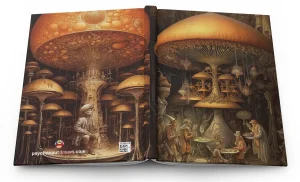
A hardcover journal featuring a colorful, Victorian-inspired magic mushroom design.

What is a Social Dose of Psilocybin?

A social dose of psilocybin typically ranges from 0.5 to 2 grams of dried mushrooms. This dose is lower than what is usually taken for a full-blown psychedelic trip, which can range from 3 to 5 grams or more. The purpose of a social dose is to achieve a mild to moderate psychedelic experience that enhances social interactions without overwhelming the user.

At this dosage, psilocybin can amplify sensory perceptions, increase empathy, and promote a sense of connection and openness. Users often report feeling more present, engaged, and emotionally connected with others. The experience can enhance conversations, deepen friendships, and foster a sense of communal harmony.

The Science Behind Social Dosing

The concept of social dosing aligns with the idea of “set and setting,” a crucial aspect of psychedelic experiences. “Set” refers to the mindset of the individual, while “setting” refers to the physical and social environment. A positive set and setting can significantly influence the outcome of a psychedelic experience, making it more enjoyable and transformative.

Psilocybin’s effects on the brain also support its use in social settings. Studies have shown that psilocybin can decrease activity in the default mode network (DMN), a network of brain regions associated with self-referential thinking and the maintenance of the ego. By quieting the DMN, psilocybin reduces the influence of the ego, allowing individuals to connect more deeply with others and the world around them.

Additionally, psilocybin increases the brain’s neuroplasticity, promoting the formation of new neural connections. This heightened plasticity can facilitate more open and flexible thinking, enhancing communication and empathy during social interactions. The combination of reduced ego influence and increased neuroplasticity creates an ideal state for meaningful and harmonious social experiences.

Enhancing Social Bonds and Emotional Connections

One of the most compelling aspects of a social dose of psilocybin is its ability to enhance social bonds and emotional connections. Users often report feeling a heightened sense of empathy and understanding, making it easier to connect with others on a deeper level. This enhanced empathy can lead to more authentic and vulnerable conversations, fostering trust and intimacy in relationships.

Psilocybin’s ability to enhance sensory perceptions also plays a role in social interactions. Colors may appear more vibrant, music can feel more immersive, and touch can become more meaningful. These heightened sensory experiences can create a shared sense of wonder and appreciation, strengthening the bond between individuals.

In group settings, a social dose of psilocybin can promote a sense of communal harmony. Group activities such as listening to music, dancing, or simply sitting around a campfire can become deeply enriching experiences. The shared sense of connection and presence can create lasting memories and strengthen friendships.

Therapeutic Applications and Research

The therapeutic potential of psilocybin extends beyond its recreational use. Research has shown that psilocybin can be a powerful tool for treating various mental health conditions, including depression, anxiety, PTSD, and addiction. The ability of psilocybin to enhance social connections and emotional openness makes it particularly valuable in therapeutic settings.

In therapeutic contexts, psilocybin-assisted therapy often involves guided sessions with a trained therapist. These sessions can help individuals confront and process difficult emotions, gain insights into their behavior and thought patterns, and develop healthier ways of relating to themselves and others. The therapeutic effects of psilocybin can be profound, offering relief from conditions that are resistant to conventional treatments.

The Multidisciplinary Association for Psychedelic Studies (MAPS) and other research organizations are leading efforts to study the therapeutic potential of psilocybin. Clinical trials have demonstrated promising results, with participants reporting significant improvements in their mental health and well-being. As research continues, psilocybin could become an accepted and valuable tool in mental health treatment.

Practical Tips for a Social Psilocybin Experience

For those interested in exploring the magic of a social dose of psilocybin, here are some practical tips to ensure a safe and enjoyable experience:

  1. Start Low and Go Slow: If you’re new to psilocybin, start with a lower dose to gauge your sensitivity and response. You can always take more if needed, but it’s best to start with caution.
  2. Choose the Right Setting: Select a comfortable and safe environment where you feel relaxed and at ease. A familiar setting with trusted friends can enhance the experience.
  3. Set Clear Intentions: Reflect on what you hope to achieve from the experience. Setting clear intentions can help guide the experience and create a more meaningful outcome.
  4. Stay Hydrated and Nourished: Drink plenty of water and have light snacks available. Psilocybin can alter your perception of time, so it’s important to stay hydrated and nourished.
  5. Have a Trip Sitter: If you’re new to psilocybin or feel uncertain, consider having a sober trip sitter. A trip sitter can provide support and reassurance, ensuring a safe and positive experience.
  6. Embrace the Moment: Allow yourself to be present and fully engaged in the experience. Let go of expectations and enjoy the enhanced connections and sensory perceptions.

Reflecting on the Experience

After a social psilocybin experience, take time to reflect on the insights and connections gained. Journaling, meditation, and discussions with friends can help integrate the experience into your daily life. The heightened sense of empathy and connection can have lasting effects, improving your relationships and overall well-being.

Conclusion

The magic of a social dose of psilocybin lies in its ability to enhance social interactions, deepen emotional connections, and promote a sense of communal harmony. By reducing the influence of the ego and increasing neuroplasticity, psilocybin creates an ideal state for meaningful and transformative social experiences.

As research continues to explore the therapeutic potential of psilocybin, its applications in mental health treatment are becoming increasingly evident. From treating depression and anxiety to fostering authentic social connections, psilocybin offers a powerful tool for healing and personal growth.

For those interested in exploring the benefits of a social dose of psilocybin, it’s important to approach the experience with caution, respect, and clear intentions. By doing so, you can unlock the magic of psilocybin and create enriching and memorable social experiences.

In the ever-evolving world of psychedelics, the concept of a social dose of psilocybin is a reminder of the profound ways in which these substances can enhance our lives. Whether through deepening friendships, fostering empathy, or promoting mental health, psilocybin continues to reveal its transformative potential.

Short Description:
Explore the magic of a social dose of psilocybin and discover how this powerful psychedelic can enhance social interactions, deepen emotional connections, and promote communal harmony. Learn practical tips for a safe and enriching experience, and reflect on the therapeutic potential of psilocybin in mental health treatment.

Zebrafish and Psilocybin: The Latest Stress-Busting Duo

Zebrafish and Psilocybin: The Latest Stress-Busting Duo

Did you ever think you’d see the day when zebrafish and magic mushrooms would team up? Well, that day is here. Recent studies have shown that dosing zebrafish with psilocybin, the active compound in magic mushrooms, helps them cope better with stress. Yep, you read that right—tiny fish and a bit of shroom magic are making waves in the world of stress research.

The Lowdown on Psilocybin

First off, what’s psilocybin? It’s the psychedelic compound found in over 200 species of mushrooms. Humans have used it for centuries in spiritual and therapeutic contexts, and lately, it’s been making a comeback in scientific studies. Researchers are finding that it could help with everything from depression to PTSD.

Psilocybin works by interacting with serotonin receptors in the brain, particularly the 5-HT2A receptor. This interaction leads to altered perception, mood, and cognition. But beyond the well-known “trippy” effects, psilocybin has been shown to have profound impacts on mental health, promoting neural plasticity and potentially rewiring the brain to overcome negative thought patterns and behaviors.

Why Zebrafish?

You might wonder, why zebrafish? Well, these little guys are actually a big deal in scientific research. They’re small, easy to keep in large numbers, and their biological systems share a lot of similarities with humans. Plus, they’re transparent, so scientists can literally see what’s going on inside them. It’s like having a tiny, see-through lab assistant.

Zebrafish have become a popular model organism in neuroscience and pharmacology due to their genetic similarities to humans. About 70% of human genes are found in zebrafish, and they share many of the same neurotransmitter systems. This makes them an excellent proxy for studying human diseases and potential treatments.
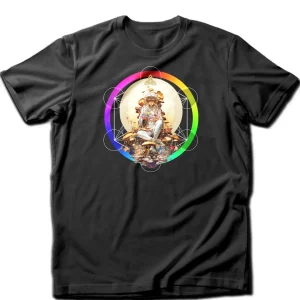
psychonaut tripping

The Study: Fish on Shrooms

Researchers decided to see if psilocybin could help zebrafish handle stress better. They exposed the fish to a stressful situation—poor zebrafish!—and then gave them a dose of psilocybin. The results? The fish that got the psilocybin were way more chill compared to those that didn’t. They swam around more calmly and showed fewer signs of stress.

The specifics of the study are quite fascinating. The researchers used a method called the novel tank diving test, which is a standard way to measure anxiety in zebrafish. Normally, when zebrafish are placed in a new tank, they initially stay at the bottom, a behavior that indicates anxiety. Over time, as they become more comfortable, they start to explore the upper regions of the tank. The zebrafish dosed with psilocybin began exploring the tank more quickly than the control group, indicating reduced anxiety levels.

What Does This Mean for Us?

So, what’s the takeaway for us land-dwellers? Well, if psilocybin can help zebrafish deal with stress, it might just have similar effects on humans. This study adds to the growing body of research suggesting that psilocybin could be a game-changer in how we treat stress and related disorders.

Psilocybin is already being studied in clinical trials for its effects on depression, anxiety, PTSD, and even addiction. The results have been promising, with many participants reporting significant improvements in their symptoms after just one or two doses. The findings from the zebrafish study provide further evidence that psilocybin has a broad range of potential therapeutic applications.

A Step Closer to Stress Solutions

This research is a big step forward. If tiny fish can teach us anything, it’s that there’s a lot more to learn about how psychedelics can benefit mental health. With more studies, we could see psilocybin becoming a mainstream treatment for stress and anxiety, helping people lead calmer, happier lives.

One of the most exciting aspects of psilocybin research is its potential to treat conditions that are resistant to conventional therapies. Many people with depression or PTSD do not respond to traditional medications, but psilocybin offers a new approach by targeting the underlying neural circuitry in a different way. By promoting neural plasticity and breaking down rigid thought patterns, psilocybin could provide relief where other treatments have failed.

Diving Deeper: The Science Behind Psilocybin and Stress

To understand why psilocybin might help with stress, it’s important to look at the brain’s response to stress. Chronic stress can lead to a host of mental health issues, including anxiety and depression. Stress activates the hypothalamic-pituitary-adrenal (HPA) axis, leading to the release of cortisol, the body’s primary stress hormone. While cortisol is essential for responding to immediate threats, chronic elevation can harm the brain, particularly areas involved in mood regulation like the hippocampus and prefrontal cortex.

Psilocybin and other psychedelics appear to counteract these effects by promoting neurogenesis (the growth of new neurons) and enhancing synaptic plasticity. This means the brain can form new connections and adapt more readily to new information and experiences. By reducing the brain’s rigid response to stress, psilocybin could help reset the neural pathways associated with chronic stress and anxiety.

The Role of the Default Mode Network (DMN)

Another key area of interest in psilocybin research is its effect on the default mode network (DMN). The DMN is a network of brain regions that are active when the mind is at rest and engaged in self-referential thinking, such as daydreaming, reminiscing, or worrying about the future. Overactivity in the DMN is associated with rumination and negative thought patterns seen in depression and anxiety.

Studies have shown that psilocybin reduces activity in the DMN, leading to a state of “ego dissolution.” This reduction in self-focused thinking allows individuals to break free from habitual thought patterns and gain new perspectives on their experiences and emotions. The zebrafish study hints that similar mechanisms might be at play in these tiny aquatic models, providing further evidence of psilocybin’s potential to reshape mental health treatment.

Psilocybin in the Wild: Natural Occurrences and Traditional Uses

Psilocybin is not just a lab-manufactured substance; it occurs naturally in over 200 species of mushrooms, commonly referred to as “magic mushrooms.” These mushrooms have been used for centuries in various cultures for spiritual and medicinal purposes. Indigenous peoples in South America, for example, have used psilocybin mushrooms in traditional ceremonies to connect with the spiritual world, gain insights, and heal from trauma.

The Mazatec people of Mexico are well-known for their use of psilocybin mushrooms in healing ceremonies. These rituals are conducted by shamans, who guide participants through their psychedelic journeys, often accompanied by chanting, music, and other traditional practices. The therapeutic use of psilocybin in these contexts highlights its potential for healing and personal growth.

Modern Psychedelic Research: A Revival of Interest

The study of psilocybin and other psychedelics experienced a significant revival in recent years, following a period of stigmatization and legal restrictions that began in the 1970s. Early research in the 1950s and 60s showed promise, but the cultural and political backlash against psychedelics halted much of this work. Now, with renewed interest and more advanced scientific tools, researchers are once again exploring the potential of these substances.

Institutions like Johns Hopkins University, Imperial College London, and the Multidisciplinary Association for Psychedelic Studies (MAPS) are leading the charge, conducting rigorous studies on the effects of psilocybin. Their work has helped to destigmatize psychedelics and demonstrate their potential benefits for mental health.

The Therapeutic Potential of Psilocybin

The therapeutic applications of psilocybin are vast. In addition to its potential for treating stress and anxiety, psilocybin is being studied for its effects on:

  • Depression: Several studies have shown that psilocybin can provide rapid and sustained relief from depression, even in individuals who have not responded to other treatments. The effects can last for months after a single session, suggesting that psilocybin helps to reset the brain’s mood regulation systems.
  • PTSD: Psilocybin’s ability to reduce fear and promote emotional processing makes it a promising treatment for PTSD. By revisiting traumatic memories in a safe and supportive context, individuals can process and integrate these experiences, reducing their psychological impact.
  • Addiction: Psilocybin has shown potential in treating various forms of addiction, including alcoholism and smoking. By promoting insights into the root causes of addictive behaviors and enhancing motivation for change, psilocybin can help individuals break free from substance dependence.
  • End-of-Life Anxiety: For individuals facing terminal illnesses, psilocybin can alleviate the anxiety and existential distress associated with dying. Studies have shown that psilocybin can provide profound spiritual experiences that help individuals come to terms with their mortality and find peace.

Psilocybin and the Future of Mental Health Treatment

As research progresses, psilocybin could become a mainstream treatment for various mental health conditions. The potential benefits are immense, but it is crucial to approach this new frontier with caution and respect. Ensuring safe and controlled use, guided by trained professionals, is essential for maximizing the benefits and minimizing the risks.

The Importance of Set and Setting

One of the key lessons from both traditional use and modern research is the importance of “set and setting.” This concept refers to the mindset of the individual (set) and the physical and social environment in which the psychedelic experience takes place (setting). A positive set and setting can significantly enhance the therapeutic benefits of psilocybin, while a negative or uncontrolled environment can lead to challenging experiences.

In traditional shamanic rituals, the set and setting are carefully curated by experienced practitioners to create a safe and supportive space. Modern clinical studies also emphasize the importance of preparing individuals for the experience, providing a comfortable environment, and offering integration sessions afterward to help process the insights gained.

Zebrafish: The Underwater Pioneers of Psychedelic Research

Returning to our underwater friends, the zebrafish, their role in this research is not just a quirky footnote. These little fish are pioneers in the study of psilocybin and stress, offering valuable insights that could pave the way for human applications. Their biological simplicity and transparency make them ideal subjects for observing the effects of psilocybin on stress-related behaviors.

The findings from the zebrafish study are promising. By showing that psilocybin can reduce stress and anxiety in zebrafish, researchers have a new avenue to explore how this compound might help humans. The parallels between zebrafish and human biology allow scientists to hypothesize that similar mechanisms might be at play, making zebrafish an invaluable model for preliminary studies before moving to human trials.

Ethical Considerations in Psychedelic Research

As with any research involving animals and psychedelics, ethical considerations are paramount. Ensuring the humane treatment of zebrafish and other model organisms is crucial. Moreover, the potential benefits of psilocybin must be weighed against the risks, particularly in human studies. While the results are promising, it’s essential to approach this field with caution and rigorous ethical standards.

Psychedelic research also brings up broader ethical questions about access and equity. As interest in psilocybin grows, it’s important to ensure that these treatments are accessible to all who might benefit, not just those who can afford them. Additionally, respecting and honoring the traditional knowledge and practices of indigenous peoples who have used these substances for centuries is vital. Collaborations with indigenous communities can provide valuable insights and help preserve their cultural heritage.

The Future of Psilocybin Therapy

Looking ahead, the future of psilocybin therapy is bright. Continued research on zebrafish and other model organisms will deepen our understanding of how psilocybin works and its potential applications. Human trials will build on these findings, exploring new ways to treat stress, anxiety, depression, PTSD, and other mental health conditions.

As more studies confirm the benefits of psilocybin, we can expect to see changes in public perception and policy. Several regions have already moved towards decriminalizing or legalizing psilocybin for therapeutic use. This trend is likely to continue as the evidence base grows, potentially leading to broader acceptance and availability of psilocybin-based therapies.

Practical Tips for Safe Psilocybin Use

For those considering psilocybin, whether for therapeutic purposes or personal exploration, here are some practical tips to ensure a safe and beneficial experience:

  1. Prepare Mentally and Emotionally: Reflect on your intentions and what you hope to gain from the experience. A positive and open mindset can make a big difference.
  2. Create a Safe Environment: Choose a comfortable, familiar setting where you feel safe. Surround yourself with supportive people who understand your intentions.
  3. Start with a Low Dose: Especially if you are new to psilocybin, start with a low dose to gauge your reaction. You can gradually increase the dose in subsequent sessions.
  4. Have a Trip Sitter: A sober, trusted friend or guide can provide support and reassurance during your experience, helping you navigate any challenging moments.
  5. Integration is Key: After the experience, take time to reflect on and integrate your insights. Journaling, therapy, and mindfulness practices can help you make sense of the experience and incorporate it into your daily life.

Conclusion

The unexpected partnership between zebrafish and psilocybin is shedding new light on the potential of psychedelics to reduce stress and enhance mental health. As research progresses, these findings could lead to new, effective treatments for a range of mental health conditions, offering hope and healing to many.

While there’s still much to learn, the journey is underway. By approaching this field with curiosity, respect, and ethical consideration, we can unlock the transformative potential of psilocybin and other psychedelics. Whether through the transparent bodies of zebrafish or the minds of those seeking relief from stress and anxiety, the path forward is bright with possibility.

So, next time you see a zebrafish, give it a nod of respect. These little pioneers might just be the key to unlocking new ways to handle stress and improve mental health. And who knows? Maybe one day, a dose of psilocybin will be just what the doctor orders for a stressful day.

For more on this fascinating study, check out the full article on Wholecelium.