The Magic of a Social Dose of Psilocybin

The Magic of a Social Dose of Psilocybin

Psychedelics have long been revered for their profound effects on consciousness, offering transformative experiences that delve into the realms of the mind and spirit. Among these, psilocybin, the active compound in magic mushrooms, stands out for its ability to foster deep connections and social bonds. In recent years, the concept of a “social dose” of psilocybin has gained attention, highlighting its potential to enhance social interactions and emotional connections. Let’s dive into the magic of a social dose of psilocybin and explore how it can transform our relationships and experiences.

Understanding Psilocybin and Its Effects

Psilocybin is a naturally occurring psychedelic compound found in over 200 species of mushrooms, commonly referred to as “magic mushrooms.” For centuries, indigenous peoples in various parts of the world, particularly in South America, have used these mushrooms in spiritual and healing rituals. The effects of psilocybin are primarily mediated through its interaction with serotonin receptors in the brain, particularly the 5-HT2A receptor. This interaction leads to altered perception, enhanced sensory experiences, and changes in mood and cognition.

When ingested, psilocybin is converted into psilocin, which crosses the blood-brain barrier and triggers psychedelic effects. These effects can range from vivid visual and auditory hallucinations to profound emotional and introspective experiences. While high doses of psilocybin are often associated with intense, mystical experiences, lower doses, known as “social doses,” can create a more subtle, yet profoundly enriching experience.

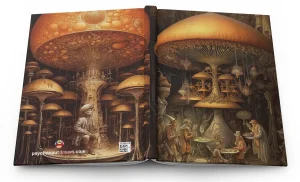
A hardcover journal featuring a colorful, Victorian-inspired magic mushroom design.

What is a Social Dose of Psilocybin?

A social dose of psilocybin typically ranges from 0.5 to 2 grams of dried mushrooms. This dose is lower than what is usually taken for a full-blown psychedelic trip, which can range from 3 to 5 grams or more. The purpose of a social dose is to achieve a mild to moderate psychedelic experience that enhances social interactions without overwhelming the user.

At this dosage, psilocybin can amplify sensory perceptions, increase empathy, and promote a sense of connection and openness. Users often report feeling more present, engaged, and emotionally connected with others. The experience can enhance conversations, deepen friendships, and foster a sense of communal harmony.

The Science Behind Social Dosing

The concept of social dosing aligns with the idea of “set and setting,” a crucial aspect of psychedelic experiences. “Set” refers to the mindset of the individual, while “setting” refers to the physical and social environment. A positive set and setting can significantly influence the outcome of a psychedelic experience, making it more enjoyable and transformative.

Psilocybin’s effects on the brain also support its use in social settings. Studies have shown that psilocybin can decrease activity in the default mode network (DMN), a network of brain regions associated with self-referential thinking and the maintenance of the ego. By quieting the DMN, psilocybin reduces the influence of the ego, allowing individuals to connect more deeply with others and the world around them.

Additionally, psilocybin increases the brain’s neuroplasticity, promoting the formation of new neural connections. This heightened plasticity can facilitate more open and flexible thinking, enhancing communication and empathy during social interactions. The combination of reduced ego influence and increased neuroplasticity creates an ideal state for meaningful and harmonious social experiences.

Enhancing Social Bonds and Emotional Connections

One of the most compelling aspects of a social dose of psilocybin is its ability to enhance social bonds and emotional connections. Users often report feeling a heightened sense of empathy and understanding, making it easier to connect with others on a deeper level. This enhanced empathy can lead to more authentic and vulnerable conversations, fostering trust and intimacy in relationships.

Psilocybin’s ability to enhance sensory perceptions also plays a role in social interactions. Colors may appear more vibrant, music can feel more immersive, and touch can become more meaningful. These heightened sensory experiences can create a shared sense of wonder and appreciation, strengthening the bond between individuals.

In group settings, a social dose of psilocybin can promote a sense of communal harmony. Group activities such as listening to music, dancing, or simply sitting around a campfire can become deeply enriching experiences. The shared sense of connection and presence can create lasting memories and strengthen friendships.

Therapeutic Applications and Research

The therapeutic potential of psilocybin extends beyond its recreational use. Research has shown that psilocybin can be a powerful tool for treating various mental health conditions, including depression, anxiety, PTSD, and addiction. The ability of psilocybin to enhance social connections and emotional openness makes it particularly valuable in therapeutic settings.

In therapeutic contexts, psilocybin-assisted therapy often involves guided sessions with a trained therapist. These sessions can help individuals confront and process difficult emotions, gain insights into their behavior and thought patterns, and develop healthier ways of relating to themselves and others. The therapeutic effects of psilocybin can be profound, offering relief from conditions that are resistant to conventional treatments.

The Multidisciplinary Association for Psychedelic Studies (MAPS) and other research organizations are leading efforts to study the therapeutic potential of psilocybin. Clinical trials have demonstrated promising results, with participants reporting significant improvements in their mental health and well-being. As research continues, psilocybin could become an accepted and valuable tool in mental health treatment.

Practical Tips for a Social Psilocybin Experience

For those interested in exploring the magic of a social dose of psilocybin, here are some practical tips to ensure a safe and enjoyable experience:

  1. Start Low and Go Slow: If you’re new to psilocybin, start with a lower dose to gauge your sensitivity and response. You can always take more if needed, but it’s best to start with caution.
  2. Choose the Right Setting: Select a comfortable and safe environment where you feel relaxed and at ease. A familiar setting with trusted friends can enhance the experience.
  3. Set Clear Intentions: Reflect on what you hope to achieve from the experience. Setting clear intentions can help guide the experience and create a more meaningful outcome.
  4. Stay Hydrated and Nourished: Drink plenty of water and have light snacks available. Psilocybin can alter your perception of time, so it’s important to stay hydrated and nourished.
  5. Have a Trip Sitter: If you’re new to psilocybin or feel uncertain, consider having a sober trip sitter. A trip sitter can provide support and reassurance, ensuring a safe and positive experience.
  6. Embrace the Moment: Allow yourself to be present and fully engaged in the experience. Let go of expectations and enjoy the enhanced connections and sensory perceptions.

Reflecting on the Experience

After a social psilocybin experience, take time to reflect on the insights and connections gained. Journaling, meditation, and discussions with friends can help integrate the experience into your daily life. The heightened sense of empathy and connection can have lasting effects, improving your relationships and overall well-being.

Conclusion

The magic of a social dose of psilocybin lies in its ability to enhance social interactions, deepen emotional connections, and promote a sense of communal harmony. By reducing the influence of the ego and increasing neuroplasticity, psilocybin creates an ideal state for meaningful and transformative social experiences.

As research continues to explore the therapeutic potential of psilocybin, its applications in mental health treatment are becoming increasingly evident. From treating depression and anxiety to fostering authentic social connections, psilocybin offers a powerful tool for healing and personal growth.

For those interested in exploring the benefits of a social dose of psilocybin, it’s important to approach the experience with caution, respect, and clear intentions. By doing so, you can unlock the magic of psilocybin and create enriching and memorable social experiences.

In the ever-evolving world of psychedelics, the concept of a social dose of psilocybin is a reminder of the profound ways in which these substances can enhance our lives. Whether through deepening friendships, fostering empathy, or promoting mental health, psilocybin continues to reveal its transformative potential.

Short Description:
Explore the magic of a social dose of psilocybin and discover how this powerful psychedelic can enhance social interactions, deepen emotional connections, and promote communal harmony. Learn practical tips for a safe and enriching experience, and reflect on the therapeutic potential of psilocybin in mental health treatment.

Zebrafish and Psilocybin: The Latest Stress-Busting Duo

Zebrafish and Psilocybin: The Latest Stress-Busting Duo

Did you ever think you’d see the day when zebrafish and magic mushrooms would team up? Well, that day is here. Recent studies have shown that dosing zebrafish with psilocybin, the active compound in magic mushrooms, helps them cope better with stress. Yep, you read that right—tiny fish and a bit of shroom magic are making waves in the world of stress research.

The Lowdown on Psilocybin

First off, what’s psilocybin? It’s the psychedelic compound found in over 200 species of mushrooms. Humans have used it for centuries in spiritual and therapeutic contexts, and lately, it’s been making a comeback in scientific studies. Researchers are finding that it could help with everything from depression to PTSD.

Psilocybin works by interacting with serotonin receptors in the brain, particularly the 5-HT2A receptor. This interaction leads to altered perception, mood, and cognition. But beyond the well-known “trippy” effects, psilocybin has been shown to have profound impacts on mental health, promoting neural plasticity and potentially rewiring the brain to overcome negative thought patterns and behaviors.

Why Zebrafish?

You might wonder, why zebrafish? Well, these little guys are actually a big deal in scientific research. They’re small, easy to keep in large numbers, and their biological systems share a lot of similarities with humans. Plus, they’re transparent, so scientists can literally see what’s going on inside them. It’s like having a tiny, see-through lab assistant.

Zebrafish have become a popular model organism in neuroscience and pharmacology due to their genetic similarities to humans. About 70% of human genes are found in zebrafish, and they share many of the same neurotransmitter systems. This makes them an excellent proxy for studying human diseases and potential treatments.

psychonaut tripping

The Study: Fish on Shrooms

Researchers decided to see if psilocybin could help zebrafish handle stress better. They exposed the fish to a stressful situation—poor zebrafish!—and then gave them a dose of psilocybin. The results? The fish that got the psilocybin were way more chill compared to those that didn’t. They swam around more calmly and showed fewer signs of stress.

The specifics of the study are quite fascinating. The researchers used a method called the novel tank diving test, which is a standard way to measure anxiety in zebrafish. Normally, when zebrafish are placed in a new tank, they initially stay at the bottom, a behavior that indicates anxiety. Over time, as they become more comfortable, they start to explore the upper regions of the tank. The zebrafish dosed with psilocybin began exploring the tank more quickly than the control group, indicating reduced anxiety levels.

What Does This Mean for Us?

So, what’s the takeaway for us land-dwellers? Well, if psilocybin can help zebrafish deal with stress, it might just have similar effects on humans. This study adds to the growing body of research suggesting that psilocybin could be a game-changer in how we treat stress and related disorders.

Psilocybin is already being studied in clinical trials for its effects on depression, anxiety, PTSD, and even addiction. The results have been promising, with many participants reporting significant improvements in their symptoms after just one or two doses. The findings from the zebrafish study provide further evidence that psilocybin has a broad range of potential therapeutic applications.

A Step Closer to Stress Solutions

This research is a big step forward. If tiny fish can teach us anything, it’s that there’s a lot more to learn about how psychedelics can benefit mental health. With more studies, we could see psilocybin becoming a mainstream treatment for stress and anxiety, helping people lead calmer, happier lives.

One of the most exciting aspects of psilocybin research is its potential to treat conditions that are resistant to conventional therapies. Many people with depression or PTSD do not respond to traditional medications, but psilocybin offers a new approach by targeting the underlying neural circuitry in a different way. By promoting neural plasticity and breaking down rigid thought patterns, psilocybin could provide relief where other treatments have failed.

Diving Deeper: The Science Behind Psilocybin and Stress

To understand why psilocybin might help with stress, it’s important to look at the brain’s response to stress. Chronic stress can lead to a host of mental health issues, including anxiety and depression. Stress activates the hypothalamic-pituitary-adrenal (HPA) axis, leading to the release of cortisol, the body’s primary stress hormone. While cortisol is essential for responding to immediate threats, chronic elevation can harm the brain, particularly areas involved in mood regulation like the hippocampus and prefrontal cortex.

Psilocybin and other psychedelics appear to counteract these effects by promoting neurogenesis (the growth of new neurons) and enhancing synaptic plasticity. This means the brain can form new connections and adapt more readily to new information and experiences. By reducing the brain’s rigid response to stress, psilocybin could help reset the neural pathways associated with chronic stress and anxiety.

The Role of the Default Mode Network (DMN)

Another key area of interest in psilocybin research is its effect on the default mode network (DMN). The DMN is a network of brain regions that are active when the mind is at rest and engaged in self-referential thinking, such as daydreaming, reminiscing, or worrying about the future. Overactivity in the DMN is associated with rumination and negative thought patterns seen in depression and anxiety.

Studies have shown that psilocybin reduces activity in the DMN, leading to a state of “ego dissolution.” This reduction in self-focused thinking allows individuals to break free from habitual thought patterns and gain new perspectives on their experiences and emotions. The zebrafish study hints that similar mechanisms might be at play in these tiny aquatic models, providing further evidence of psilocybin’s potential to reshape mental health treatment.

Psilocybin in the Wild: Natural Occurrences and Traditional Uses

Psilocybin is not just a lab-manufactured substance; it occurs naturally in over 200 species of mushrooms, commonly referred to as “magic mushrooms.” These mushrooms have been used for centuries in various cultures for spiritual and medicinal purposes. Indigenous peoples in South America, for example, have used psilocybin mushrooms in traditional ceremonies to connect with the spiritual world, gain insights, and heal from trauma.

The Mazatec people of Mexico are well-known for their use of psilocybin mushrooms in healing ceremonies. These rituals are conducted by shamans, who guide participants through their psychedelic journeys, often accompanied by chanting, music, and other traditional practices. The therapeutic use of psilocybin in these contexts highlights its potential for healing and personal growth.

Modern Psychedelic Research: A Revival of Interest

The study of psilocybin and other psychedelics experienced a significant revival in recent years, following a period of stigmatization and legal restrictions that began in the 1970s. Early research in the 1950s and 60s showed promise, but the cultural and political backlash against psychedelics halted much of this work. Now, with renewed interest and more advanced scientific tools, researchers are once again exploring the potential of these substances.

Institutions like Johns Hopkins University, Imperial College London, and the Multidisciplinary Association for Psychedelic Studies (MAPS) are leading the charge, conducting rigorous studies on the effects of psilocybin. Their work has helped to destigmatize psychedelics and demonstrate their potential benefits for mental health.

The Therapeutic Potential of Psilocybin

The therapeutic applications of psilocybin are vast. In addition to its potential for treating stress and anxiety, psilocybin is being studied for its effects on:

  • Depression: Several studies have shown that psilocybin can provide rapid and sustained relief from depression, even in individuals who have not responded to other treatments. The effects can last for months after a single session, suggesting that psilocybin helps to reset the brain’s mood regulation systems.
  • PTSD: Psilocybin’s ability to reduce fear and promote emotional processing makes it a promising treatment for PTSD. By revisiting traumatic memories in a safe and supportive context, individuals can process and integrate these experiences, reducing their psychological impact.
  • Addiction: Psilocybin has shown potential in treating various forms of addiction, including alcoholism and smoking. By promoting insights into the root causes of addictive behaviors and enhancing motivation for change, psilocybin can help individuals break free from substance dependence.
  • End-of-Life Anxiety: For individuals facing terminal illnesses, psilocybin can alleviate the anxiety and existential distress associated with dying. Studies have shown that psilocybin can provide profound spiritual experiences that help individuals come to terms with their mortality and find peace.

Psilocybin and the Future of Mental Health Treatment

As research progresses, psilocybin could become a mainstream treatment for various mental health conditions. The potential benefits are immense, but it is crucial to approach this new frontier with caution and respect. Ensuring safe and controlled use, guided by trained professionals, is essential for maximizing the benefits and minimizing the risks.

The Importance of Set and Setting

One of the key lessons from both traditional use and modern research is the importance of “set and setting.” This concept refers to the mindset of the individual (set) and the physical and social environment in which the psychedelic experience takes place (setting). A positive set and setting can significantly enhance the therapeutic benefits of psilocybin, while a negative or uncontrolled environment can lead to challenging experiences.

In traditional shamanic rituals, the set and setting are carefully curated by experienced practitioners to create a safe and supportive space. Modern clinical studies also emphasize the importance of preparing individuals for the experience, providing a comfortable environment, and offering integration sessions afterward to help process the insights gained.

Zebrafish: The Underwater Pioneers of Psychedelic Research

Returning to our underwater friends, the zebrafish, their role in this research is not just a quirky footnote. These little fish are pioneers in the study of psilocybin and stress, offering valuable insights that could pave the way for human applications. Their biological simplicity and transparency make them ideal subjects for observing the effects of psilocybin on stress-related behaviors.

The findings from the zebrafish study are promising. By showing that psilocybin can reduce stress and anxiety in zebrafish, researchers have a new avenue to explore how this compound might help humans. The parallels between zebrafish and human biology allow scientists to hypothesize that similar mechanisms might be at play, making zebrafish an invaluable model for preliminary studies before moving to human trials.

Ethical Considerations in Psychedelic Research

As with any research involving animals and psychedelics, ethical considerations are paramount. Ensuring the humane treatment of zebrafish and other model organisms is crucial. Moreover, the potential benefits of psilocybin must be weighed against the risks, particularly in human studies. While the results are promising, it’s essential to approach this field with caution and rigorous ethical standards.

Psychedelic research also brings up broader ethical questions about access and equity. As interest in psilocybin grows, it’s important to ensure that these treatments are accessible to all who might benefit, not just those who can afford them. Additionally, respecting and honoring the traditional knowledge and practices of indigenous peoples who have used these substances for centuries is vital. Collaborations with indigenous communities can provide valuable insights and help preserve their cultural heritage.

The Future of Psilocybin Therapy

Looking ahead, the future of psilocybin therapy is bright. Continued research on zebrafish and other model organisms will deepen our understanding of how psilocybin works and its potential applications. Human trials will build on these findings, exploring new ways to treat stress, anxiety, depression, PTSD, and other mental health conditions.

As more studies confirm the benefits of psilocybin, we can expect to see changes in public perception and policy. Several regions have already moved towards decriminalizing or legalizing psilocybin for therapeutic use. This trend is likely to continue as the evidence base grows, potentially leading to broader acceptance and availability of psilocybin-based therapies.

Practical Tips for Safe Psilocybin Use

For those considering psilocybin, whether for therapeutic purposes or personal exploration, here are some practical tips to ensure a safe and beneficial experience:

  1. Prepare Mentally and Emotionally: Reflect on your intentions and what you hope to gain from the experience. A positive and open mindset can make a big difference.
  2. Create a Safe Environment: Choose a comfortable, familiar setting where you feel safe. Surround yourself with supportive people who understand your intentions.
  3. Start with a Low Dose: Especially if you are new to psilocybin, start with a low dose to gauge your reaction. You can gradually increase the dose in subsequent sessions.
  4. Have a Trip Sitter: A sober, trusted friend or guide can provide support and reassurance during your experience, helping you navigate any challenging moments.
  5. Integration is Key: After the experience, take time to reflect on and integrate your insights. Journaling, therapy, and mindfulness practices can help you make sense of the experience and incorporate it into your daily life.

Conclusion

The unexpected partnership between zebrafish and psilocybin is shedding new light on the potential of psychedelics to reduce stress and enhance mental health. As research progresses, these findings could lead to new, effective treatments for a range of mental health conditions, offering hope and healing to many.

While there’s still much to learn, the journey is underway. By approaching this field with curiosity, respect, and ethical consideration, we can unlock the transformative potential of psilocybin and other psychedelics. Whether through the transparent bodies of zebrafish or the minds of those seeking relief from stress and anxiety, the path forward is bright with possibility.

So, next time you see a zebrafish, give it a nod of respect. These little pioneers might just be the key to unlocking new ways to handle stress and improve mental health. And who knows? Maybe one day, a dose of psilocybin will be just what the doctor orders for a stressful day.

For more on this fascinating study, check out the full article on Wholecelium.

Ayahuasca and Oo-koo-hé:  Two Powerful Amazonian Plant Medicines

Ayahuasca and Oo-koo-hé: Two Powerful Amazonian Plant Medicines

Ayahuasca and oo-koo-hé (also known as ukehe) are two potent plant medicines from the Amazon rainforest, used for centuries by indigenous peoples in shamanic rituals and healing practices. Both contain the powerful psychedelic compound DMT (dimethyltryptamine) and are revered for their ability to induce profound alterations in consciousness, deep spiritual insights, and emotional healing. Despite their similarities, they are distinct in terms of their botanical components, preparation methods, cultural significance, and experiential effects. This comprehensive article will delve into the details of both ayahuasca and oo-koo-hé, exploring their histories, uses, and differences.

Part 1: Understanding Ayahuasca

1.1 History and Cultural Significance

Ayahuasca, often referred to as “the vine of the soul,” has been used for millennia by indigenous tribes in the Amazon basin, particularly in countries like Peru, Brazil, Colombia, and Ecuador. The traditional brew is made by combining the Banisteriopsis caapi vine with the leaves of the Psychotria viridis plant. The caapi vine contains MAO inhibitors, which allow the DMT in the Psychotria viridis leaves to become orally active.

Ayahuasca ceremonies are typically led by experienced shamans, who guide participants through their journeys, often with the aid of chanting, music, and rituals. These ceremonies are deeply spiritual and are believed to facilitate healing, spiritual awakening, and communication with the spirit world. Prominent figures like Terence McKenna and Dennis McKenna have brought significant attention to ayahuasca in the Western world through their writings and lectures, emphasizing its potential for consciousness exploration and healing.

ayahuasca hoodie

1.2 Preparation and Consumption

The preparation of ayahuasca involves a lengthy and intricate process. The Banisteriopsis caapi vine is harvested, cleaned, and pounded to release its active compounds. It is then combined with the leaves of the Psychotria viridis plant and boiled for several hours, sometimes even days, to create a potent brew. This process requires significant knowledge and expertise, as the proportions and specific techniques can vary between different tribes and shamans.

During an ayahuasca ceremony, participants typically consume a small cup of the brew under the supervision of a shaman. The effects usually begin within 30 to 60 minutes, peaking after about 2 to 3 hours, and can last for up to 8 hours. The experience is often characterized by intense visual and auditory hallucinations, profound emotional release, and deep introspective insights.

1.3 Effects and Benefits

Ayahuasca is known for its powerful psychological and spiritual effects. Participants often report experiencing vivid visions, encounters with spiritual entities, and profound emotional catharsis. The brew is also used for its therapeutic potential, helping individuals to confront and heal from past traumas, break free from addictive behaviors, and gain insights into their life purpose and spiritual path.

Scientific studies have shown that ayahuasca can have significant therapeutic benefits, including reducing symptoms of depression and anxiety, enhancing mindfulness and emotional regulation, and promoting overall psychological well-being. The brew’s ability to facilitate deep introspection and emotional processing is a key factor in its therapeutic potential. It has also been found to influence the default mode network (DMN) in the brain, which is associated with self-referential thoughts and has been implicated in various mental health conditions.

ayahuasca hoodie

Part 2: Exploring Oo-koo-hé (Ukehe)

2.1 History and Cultural Context

Oo-koo-hé, also known as ukehe, is another powerful DMT-containing plant medicine used by indigenous tribes in the Amazon rainforest, particularly among the Tukanoan and Yanomami peoples. Unlike ayahuasca, which is more widely known and studied, oo-koo-hé remains relatively obscure and less documented in Western literature. However, it has gained some attention through the work of figures like Terence McKenna, who explored its use in shamanic rituals.

The traditional preparation of oo-koo-hé involves extracting the bark of the Virola tree, which is then combined with other plant materials. The use of oo-koo-hé is deeply embedded in the shamanic practices of these tribes, where it is used for healing, divination, and communication with the spirit world. The rituals surrounding its use are highly specific to the cultural traditions of the tribes that use it.

2.2 Preparation and Consumption

The preparation of oo-koo-hé is less standardized compared to ayahuasca, with variations in the specific plants used and the methods of extraction. Generally, the bark of the Virola tree is harvested and processed to extract its psychoactive compounds. This can involve boiling, drying, or other methods to create a paste or powder that is then consumed.

The effects of oo-koo-hé are similar to those of ayahuasca but can vary depending on the specific preparation. The onset of the experience is typically rapid, with intense visual and auditory hallucinations, deep emotional experiences, and a sense of communion with spiritual entities. The duration of the experience is usually shorter than that of ayahuasca, often lasting 2 to 4 hours.

2.3 Effects and Benefits

Like ayahuasca, oo-koo-hé is used for its powerful psychological and spiritual effects. Participants often report experiencing vivid visions, deep emotional release, and profound spiritual insights. The use of oo-koo-hé in shamanic rituals is believed to facilitate healing, spiritual growth, and communication with the spirit world.

While scientific research on oo-koo-hé is limited compared to ayahuasca, anecdotal reports and traditional knowledge suggest that it has similar therapeutic benefits. The intense and transformative nature of the oo-koo-hé experience can help individuals to confront and heal from past traumas, gain insights into their life path, and connect with a deeper sense of spiritual purpose.

Part 3: Comparing Ayahuasca and Oo-koo-hé

3.1 Botanical Components

The primary difference between ayahuasca and oo-koo-hé lies in their botanical components. Ayahuasca is made from the Banisteriopsis caapi vine and the leaves of the Psychotria viridis plant, while oo-koo-hé is typically made from the bark of the Virola tree. These different components contribute to variations in the preparation methods, chemical compositions, and experiential effects of the two plant medicines.

3.2 Preparation and Rituals

The preparation of ayahuasca is a well-documented process that involves boiling the Banisteriopsis caapi vine and Psychotria viridis leaves to create a potent brew. This process is often carried out by experienced shamans who have a deep understanding of the specific techniques and proportions required.

In contrast, the preparation of oo-koo-hé can vary significantly depending on the specific traditions and practices of the tribes that use it. The bark of the Virola tree is processed to extract its psychoactive compounds, but the methods of extraction and the additional plant materials used can differ widely.

The rituals surrounding the consumption of ayahuasca and oo-koo-hé are also different. Ayahuasca ceremonies are typically characterized by chanting, music, and other rituals led by a shaman, while the rituals for oo-koo-hé can vary depending on the cultural traditions of the tribes that use it.

3.3 Experiential Differences

The experiences induced by ayahuasca and oo-koo-hé share many similarities, including intense visual and auditory hallucinations, profound emotional release, and deep spiritual insights. However, there are also notable differences in the onset, duration, and nature of the experiences.

Ayahuasca typically has a slower onset, with effects beginning within 30 to 60 minutes and lasting for up to 8 hours. The experience is often described as a journey, with participants moving through different phases of visions, emotional processing, and spiritual insights.

Oo-koo-hé, on the other hand, usually has a rapid onset, with effects beginning almost immediately after consumption and lasting for 2 to 4 hours. The experience is often described as more intense and concentrated, with powerful visions and emotional experiences occurring in a shorter time frame.

3.4 Therapeutic and Spiritual Benefits

Both ayahuasca and oo-koo-hé are used for their therapeutic and spiritual benefits, helping individuals to confront and heal from past traumas, gain insights into their life purpose, and connect with a deeper sense of spiritual meaning.

Scientific studies on ayahuasca have demonstrated its potential to reduce symptoms of depression and anxiety, enhance mindfulness and emotional regulation, and promote overall psychological well-being. The brew’s ability to facilitate deep introspection and emotional processing is a key factor in its therapeutic potential.

While scientific research on oo-koo-hé is limited, anecdotal reports and traditional knowledge suggest that it has similar therapeutic benefits. The intense and transformative nature of the oo-koo-hé experience can help individuals to confront and heal from past traumas, gain insights into their life path, and connect with a deeper sense of spiritual purpose.

Part 4: The Future of Ayahuasca and Oo-koo-hé

4.1 Growing Interest and Research

In recent years, there has been a surge of interest in both ayahuasca and oo-koo-hé, driven by growing awareness of their potential therapeutic benefits and their roles in indigenous cultures. Researchers, medical professionals, and psychonauts alike are exploring these plant medicines to understand their effects on the mind and body, their therapeutic potential, and their cultural significance.

The scientific community has begun to recognize the potential of ayahuasca for treating various mental health conditions, such as depression, anxiety, and PTSD. Studies have shown that the brew can promote neurogenesis, enhance emotional regulation, and facilitate deep psychological healing. Organizations like the Multidisciplinary Association for Psychedelic Studies (MAPS) and the Heffter Research Institute are leading efforts to study ayahuasca in clinical settings, paving the way for its potential integration into mainstream mental health care.

Research on oo-koo-hé is less advanced, but interest is growing as more people become aware of its unique properties and cultural significance. Anecdotal reports and traditional knowledge suggest that oo-koo-hé has similar therapeutic benefits to ayahuasca, and there is potential for future studies to explore these effects in more detail.

4.2 Legal and Ethical Considerations

The increasing interest in ayahuasca and oo-koo-hé raises important legal and ethical considerations. In many countries, DMT is classified as a Schedule I substance, making the use, possession, and distribution of ayahuasca and oo-koo-hé illegal. However, there are exceptions for religious and ceremonial use, particularly in countries like Brazil and Peru, where these practices are protected under law.

The globalization of these plant medicines has also led to concerns about the sustainability of their use and the potential for cultural appropriation. Indigenous communities have been using these substances for centuries, and their knowledge and traditions must be respected and preserved. Ethical considerations include ensuring that these communities benefit from the growing interest in their traditional practices and that their cultural heritage is protected.

4.3 Integration and Responsible Use

As interest in ayahuasca and oo-koo-hé continues to grow, it is essential to promote responsible use and integration practices. These plant medicines can induce powerful and transformative experiences, but they also carry risks, particularly for individuals with certain mental health conditions or those who are unprepared for the intensity of the experience.

Preparation and integration are crucial components of a safe and beneficial psychedelic experience. This includes setting intentions, creating a safe and supportive environment, and seeking guidance from experienced practitioners. After the experience, integration practices such as journaling, therapy, and mindfulness can help individuals process their insights and incorporate them into their daily lives.

Conclusion

Ayahuasca and oo-koo-hé are two powerful and ancient plant medicines from the Amazon rainforest, each with unique properties and cultural significance. While they share similarities in their use of DMT and their potential for inducing profound spiritual and therapeutic experiences, they are distinct in their botanical components, preparation methods, and cultural contexts.

The growing interest in these plant medicines offers exciting possibilities for understanding the human mind, promoting psychological healing, and reconnecting with ancient spiritual traditions. However, it also requires careful consideration of legal, ethical, and practical issues to ensure that these practices are respected, sustainable, and accessible to those who can benefit from them.

As research continues and awareness grows, ayahuasca and oo-koo-hé may play an increasingly important role in the fields of mental health, spirituality, and consciousness exploration. By approaching these plant medicines with respect, responsibility, and an open mind, we can unlock their potential to heal, transform, and connect us with the deeper mysteries of the human experience.

Additional Considerations

5.1 Ayahuasca and the Default Mode Network (DMN)

Recent studies have indicated that ayahuasca significantly affects the brain’s default mode network (DMN), which is associated with self-referential thoughts and the maintenance of the ego. By disrupting the normal functioning of the DMN, ayahuasca allows individuals to experience a dissolution of the ego, leading to profound insights and a sense of interconnectedness. This effect on the DMN is believed to contribute to the therapeutic potential of ayahuasca, particularly in treating conditions like depression and anxiety.

5.2 Treatment-Resistant Depression

Both ayahuasca and oo-koo-hé have shown promise in treating treatment-resistant depression. Individuals who have not responded to traditional antidepressant treatments may find relief through the use of these plant medicines. The intense emotional release and deep introspection facilitated by ayahuasca and oo-koo-hé can help individuals process unresolved traumas and develop new perspectives on their lives.

5.3 Synergetic Press and the McKenna Academy

Organizations like Synergetic Press and the McKenna Academy of Natural Philosophy play crucial roles in promoting the study and responsible use of ayahuasca and oo-koo-hé. Synergetic Press publishes works that explore the scientific, cultural, and spiritual aspects of these plant medicines, while the McKenna Academy, founded by Dennis McKenna, offers educational programs and retreats that emphasize the importance of integrating these experiences into everyday life.

Conclusion

Ayahuasca and oo-koo-hé are two powerful and ancient plant medicines from the Amazon rainforest, each with unique properties and cultural significance. While they share similarities in their use of DMT and their potential for inducing profound spiritual and therapeutic experiences, they are distinct in their botanical components, preparation methods, and cultural contexts.

The growing interest in these plant medicines offers exciting possibilities for understanding the human mind, promoting psychological healing, and reconnecting with ancient spiritual traditions. However, it also requires careful consideration of legal, ethical, and practical issues to ensure that these practices are respected, sustainable, and accessible to those who can benefit from them.

As research continues and awareness grows, ayahuasca and oo-koo-hé may play an increasingly important role in the fields of mental health, spirituality, and consciousness exploration. By approaching these plant medicines with respect, responsibility, and an open mind, we can unlock their potential to heal, transform, and connect us with the deeper mysteries of the human experience.

Ultimate Guide to Music Festival Preparation for Psychonauts

Ultimate Guide to Music Festival Preparation for Psychonauts

Music festivals are more than just events for the music industry; they are transformative experiences where individuals can immerse themselves in the world of music, art, and community. For psychonauts, festival season is an ideal setting to explore altered states of consciousness, connect with like-minded individuals, and delve into the depths of psychedelic experiences. This  guide will help you prepare for your next music festival, ensuring you make the most of your journey into the realms of psychedelia and mind expansion. These special events are moments in time where under the right circumstances the music scene becomes a noetic experience.

1. Choosing the Right Festival

Selecting the right festival is crucial for a fulfilling psychedelic experience. Look for festivals that embrace psychedelic music, art installations, and a community that values consciousness exploration. Events like Burning Man, Shambhala, and Boom Festival are renowned for their emphasis on psychedelic culture, offering a perfect environment for tripping and entheogenic journeys.

In addition to these major festivals, consider smaller, niche events that focus on specific aspects of psychedelic culture. Psychedelic music festivals like Ozora, Envision, and Electric Forest offer immersive experiences with a strong emphasis on community, art, and spiritual growth. Research the lineup, workshops, and activities offered at each festival to find one that resonates with your personal interests and goals.

2. Preparing Your Mind and Body

Before diving into the festival experience, it’s essential to prepare both your mind and body. Mindfulness practices, such as meditation and yoga, can help you achieve a state of inner peace and readiness for the journey ahead. Consider integrating microdosing into your routine leading up to the festival to enhance your mental clarity and emotional stability. Microdosing with LSD or psilocybin mushrooms can provide subtle yet profound benefits, preparing you for the more intense psychedelic experiences at the festival.

In addition to mindfulness practices, focus on physical health. Engage in regular exercise to boost your stamina and resilience. A balanced diet rich in nutrients will support your overall well-being, ensuring you have the energy to fully engage with the festival experience. Hydration is crucial, so make it a habit to drink plenty of water daily.

psychedelic zen

3. Packing Essentials for the Journey

When packing for a music festival, it’s important to include items that will support your psychedelic exploration. Here are some essentials:

  • Psychedelics: Whether you’re bringing LSD, psilocybin mushrooms, DMT, or other entheogens, ensure they are stored safely and discreetly. It’s important to research the legality of these substances in the festival’s location and take necessary precautions.
  • Hydration and Nutrition: Staying hydrated and nourished is vital. Pack a reusable water bottle, electrolyte supplements, and healthy snacks. Consider bringing superfoods, like nuts, seeds, and dried fruits, to maintain your energy levels.
  • Comfortable Clothing: Dress in layers and bring clothing suitable for different weather conditions. Psychedelic-themed apparel can enhance your experience, making you feel more connected to the festival’s vibe. Comfortable shoes are a must, as you’ll likely be on your feet for extended periods.
  • Camping Gear: If you’re camping, ensure you have a comfortable tent, sleeping bag, and other necessary camping equipment. Consider a shade structure or tarp to protect against the sun. A portable camping stove and cookware can be useful for preparing meals.
  • First Aid Kit: Include basic first aid supplies, along with items specifically for managing psychedelic experiences, such as trip-stopping supplements like activated charcoal. Don’t forget sunscreen, insect repellent, and any personal medications you may need.

4. Setting Intentions and Creating a Safe Space

Setting intentions for your festival experience can guide your journey and help you achieve a deeper level of consciousness exploration. Reflect on what you hope to gain from the experience, whether it’s personal growth, spiritual insights, or simply a profound connection with music and community.

Creating a safe space within the festival is also crucial. This could be your tent, a designated chill-out zone, or a space created with friends. Ensure it’s a place where you feel comfortable and can retreat to if needed. Decorate your space with familiar and comforting items, such as tapestries, LED lights, and personal mementos, to create a grounding environment.

psychedelic zen

5. Navigating the Psychedelic Experience

Once at the festival, it’s important to navigate your psychedelic experiences mindfully. Here are some tips:

  • Start with a Low Dose: If you’re new to psychedelics or trying a new substance, start with a low dose to gauge its effects. This approach allows you to gradually acclimate to the experience and adjust as needed.
  • Have a Trip Sitter: A trusted friend who is sober or experienced with psychedelics can help guide you through challenging moments. Their presence can provide reassurance and grounding if you encounter difficult or intense experiences.
  • Stay Grounded: Techniques like deep breathing, grounding exercises, and mindfulness can help you stay present and manage intense experiences. Carry items that help you stay grounded, such as a favorite crystal, a piece of jewelry, or a meaningful object.
  • Embrace the Experience: Allow yourself to fully embrace the experience, whether it’s euphoric, introspective, or challenging. Remember, every trip is an opportunity for growth and learning. Approach each moment with curiosity and an open heart, knowing that even difficult experiences can offer valuable insights.

6. Connecting with the Psychedelic Community

Music festivals are a melting pot of individuals who share a passion for psychedelia and consciousness exploration. Engage with the community, attend workshops on psychedelic research, participate in group meditations, and explore art installations. Connecting with others can enhance your experience and provide valuable insights into your own journey.

Seek out discussions on topics such as psychedelic therapy, shamanic practices, and the latest research on mind-altering substances. These conversations can deepen your understanding of psychedelics and their potential benefits. Participate in group activities like drum circles, ecstatic dance, and communal art projects to foster a sense of unity and collective consciousness.

7. Aftercare and Integration

Post-festival aftercare is essential for integrating your psychedelic experiences into your everyday life. Take time to reflect on your journey, journal your insights, and discuss your experiences with trusted friends or within psychedelic communities. Integration practices such as continued meditation, yoga, and even psychedelic-assisted therapy can help you process and embody the lessons learned during the festival.

Consider joining online forums or local meetups focused on psychedelic integration. Sharing your experiences and hearing from others can provide new perspectives and support your ongoing growth. Engage in creative expression, such as painting, music, or writing, to channel the insights and emotions from your psychedelic experiences.

Additional Tips for a Successful Festival Experience

  • Respect the Festival Environment: Follow the festival’s guidelines and respect the natural surroundings. Leave no trace and be mindful of your impact on the environment.
  • Stay Informed: Keep an eye on the festival schedule and participate in workshops, talks, and activities that interest you. Staying informed can help you make the most of your time and discover new experiences.
  • Practice Harm Reduction: Educate yourself on the substances you’re using and practice harm reduction techniques. Test your substances for purity and be aware of potential interactions and side effects.
  • Take Breaks: It’s important to pace yourself and take breaks when needed. Listen to your body and mind, and don’t be afraid to rest or step away from the crowds if you need a moment of solitude.
  • Connect with Nature: Many festivals are held in beautiful natural settings. Take time to connect with nature, whether it’s through a peaceful walk, a swim in a nearby lake, or simply sitting under a tree and absorbing the surroundings.

Conclusion

Music festivals are an incredible opportunity for psychonauts to dive deep into the world of psychedelia, experiencing altered states of consciousness and connecting with a vibrant community. By preparing mindfully, setting intentions, and navigating your psychedelic experiences with care, you can transform these festivals into profound journeys of mind expansion and spiritual growth. Embrace the magic of psychedelics and let the music guide you through the realms of consciousness and beyond.

With these tips and preparations, you’re ready to embark on a transformative festival experience. Remember to stay open, curious, and respectful of yourself and others as you navigate the beautiful world of psychedelic festivals. Enjoy the journey, and may your adventures be filled with wonder, insight, and deep connection.

The Psychedelic Chronicler of the American Dream

The Psychedelic Chronicler of the American Dream

Hunter Stockton Thompson was a figure who loomed larger than life in American literature and journalism, known for his blistering prose, acerbic wit, and a penchant for the chaotic underbelly of American culture. This article explores Thompson’s relationship with psychedelics, both as substances and as significant cultural phenomena, mapping how they influenced his work and became integral to the gonzo journalism he pioneered.

The Genesis of Gonzo

Born in 1937 in Louisville, Kentucky, Thompson’s early life was marked by a mix of intense reading, juvenile delinquency, and a burgeoning skepticism of authority. These formative elements foreshadowed the unique lens through which he would later view the world. Thompson’s journalism career began in the early 1960s, but it wasn’t until the publication of “Hell’s Angels” (1966) that he began to gain national attention. The book, a detailed account of his year spent living with the infamous motorcycle gang, hinted at his immersive approach to writing and his relentless pursuit of the story.

However, it was “Fear and Loathing in Las Vegas” (1971) that cemented Thompson’s reputation as a master of what he would term “gonzo journalism”—a blend of facts and fiction, where the journalist is an active participant in the narrative. The novel, first published in Rolling Stone magazine, was a psychedelic odyssey into the heart of the American Dream, powered by a cocktail of drugs, including LSD, mescaline, and ether.

Psychedelics and Perception

Thompson’s work with psychedelics was both personal and professional. He explored these substances with the zeal of a chemist and the curiosity of a philosopher, often blurring the lines between objective observation and subjective experience. Psychedelics, in Thompson’s view, were not merely recreational drugs but tools to explore consciousness and critique society.

LSD, mescaline, and psilocybin were central to the 1960s counterculture, symbolizing a collective yearning for deeper truths and societal change. Thompson, with his keen eye for cultural shifts, saw psychedelics as both a metaphor and a mechanism to expose the contradictions of American life. His drug-fueled narratives were chaotic and reflective, mimicking the mind-altering effects of the substances he consumed. This approach allowed readers to experience the disorienting flipside of the American psyche, full of greed, hypocrisy, and lost ideals.

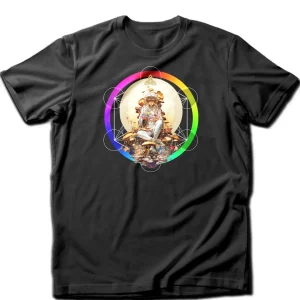
A t-shirt featuring a serene, psychedelic-inspired meditation design.

“Fear and Loathing” as a Cultural Mirror

“Fear and Loathing in Las Vegas” is arguably the best encapsulation of Thompson’s style and substance. The plot follows Raoul Duke and his attorney, Dr. Gonzo, as they descend into Las Vegas with a “suitcase full of drugs” to cover a motorcycle race and a district attorneys’ conference on narcotics. But the work is less about the events and more about the distorted reflections of America seen through the lens of their psychedelic experiences.

The novel is a vivid, tumultuous narrative that swings wildly between uproarious hilarity and profound despair, often within a single page. Thompson’s descriptions of drug effects are both grotesque and enlightening, revealing the paranoia, euphoria, and altered perceptions that come with each substance. His writing not only captures the essence of the psychedelic experience but also critiques the Vietnam War, the Nixon administration, and the faltering counterculture.

The Legacy of a Psychedelic Journalist

Thompson’s exploration of drugs was not without its consequences. His extensive substance use was well-documented and contributed to both his persona and his personal decline. Despite this, his work remains a critical part of American literary and journalistic history. Thompson showed that journalism could be wildly subjective yet profoundly truthful, and that drugs could serve as powerful lenses to view the absurdities of society.

Thompson’s influence extends beyond literature. He is a figure of enduring fascination in popular culture, representing a form of fearless, if reckless, authenticity. His life and work continue to inspire debates about the boundaries of journalism, the uses and abuses of drugs, and the pursuit of freedom in a society beset by contradictions.

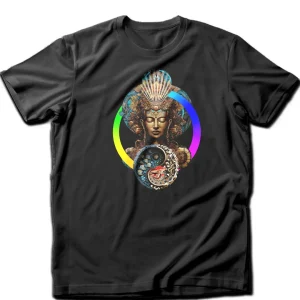
A t-shirt featuring a serene, psychedelic-inspired meditation design.

Conclusion

Hunter S. Thompson remains an iconic figure in the narrative of American culture and psychedelics. His work not only documents the high times and deep lows of the psychedelic experience but also serves as a pointed critique of American society during a tumultuous period. Through his gonzo lens, Thompson offered a unique, psychedelic-tinged perspective on the American Dream, one that was both a product and a prophetic critique of its times. His legacy, complicated yet undeniably impactful, continues to influence generations, reminding us that sometimes, to tell the truth, one must take the ride — however psychedelic it might be.

Unraveling the Mysteries: The Impact of Psilocybin on the Brain

Unraveling the Mysteries: The Impact of Psilocybin on the Brain

Introduction: Psilocybin, the psychoactive compound found in magic mushrooms, has been captivating the attention of scientists, researchers, and curious minds for decades. As the interest in psychedelic substances grows, so does our understanding of their effects on the brain. In this article, we will delve into the current scientific knowledge about psilocybin’s actions in the brain, exploring its neurochemical interactions, brain regions affected, and the potential implications for mental health and well-being. Let’s embark on a journey of scientific exploration to uncover the mysteries of psilocybin and its effects on the most complex organ in our bodies – the brain.

I. The Neurochemistry of Psilocybin : Unlocking the 5-HT2A Receptors

Psilocybin’s primary mechanism of action revolves around its interactions with the serotonergic system in the brain. Specifically, it binds to the 5-HT2A receptors, which are part of the serotonin system. Serotonin is a neurotransmitter involved in mood regulation, cognition, and various physiological processes.

When psilocybin enters the brain, it is converted into its active form, psilocin. Psilocin then acts as a partial agonist at the 5-HT2A receptors, leading to increased serotonin activity. This heightened serotonin signaling is thought to play a crucial role in the psychedelic effects of psilocybin, including altered perceptions, mood shifts, and changes in consciousness.

B. Serotonin and Mood Regulation: The Role of 5-HT2A Receptors

The 5-HT2A receptors are widely distributed throughout the brain, with particularly high concentrations in regions like the prefrontal cortex, the thalamus, and the hippocampus. Activation of these receptors by psilocybin leads to an increased release of serotonin in these brain regions, resulting in alterations in sensory perception, emotional processing, and cognitive functions.

In the prefrontal cortex, which plays a central role in decision-making and emotional regulation, psilocybin’s influence on 5-HT2A receptors may contribute to the enhanced introspection and altered sense of self experienced during a psychedelic journey. The hippocampus, involved in memory formation and emotional regulation, is also affected, potentially contributing to the emotionally charged and vivid memories often reported after a psilocybin experience.

shroom peace sign

II. Altered Brain Connectivity and Functional Networks . The Default Mode Network

One of the most significant effects of psilocybin on the brain is the disruption of the default mode network (DMN). The DMN is a network of brain regions associated with self-referential thinking, introspection, and mind-wandering. When the DMN is highly active, it can contribute to rumination and repetitive thought patterns often observed in conditions like depression and anxiety.

Under the influence of psilocybin, the DMN’s activity is suppressed, leading to a breakdown of rigid thought patterns and increased brain connectivity between regions that do not usually communicate with each other. This “entropic” brain state is thought to underlie the profound shifts in consciousness and ego dissolution experienced during a psychedelic journey.

B. The Salience Network: Integrating Information

In addition to modulating the DMN, psilocybin also influences the salience network. The salience network is responsible for determining the importance of various stimuli and experiences, helping the brain decide what to pay attention to and what to ignore.

By altering the activity of the salience network, psilocybin may lead to increased sensitivity to sensory stimuli and a heightened sense of novelty. This can result in the intensification of colors, sounds, and emotions during a psychedelic experience, as well as a sense of connectedness to the environment and other people.

III. Neuroplasticity: Rewiring the Brain

Emerging research suggests that psilocybin may enhance neuroplasticity, the brain’s ability to reorganize and form new connections between neurons. This is significant because neuroplasticity is a fundamental aspect of learning, memory, and adaptation to new experiences.

By promoting synaptic plasticity, psilocybin could potentially help individuals break free from ingrained thought patterns, making it a promising therapeutic candidate for conditions where maladaptive behaviors or thought processes are a central feature.

B. Hippocampal Neurogenesis: A Spark of New Brain Cells

Recent studies have also suggested that psilocybin may stimulate hippocampal neurogenesis, the formation of new neurons in the hippocampus. This is a particularly exciting finding, as impaired neurogenesis in the hippocampus has been associated with mood disorders and cognitive decline.

The potential of psilocybin to enhance neurogenesis raises intriguing possibilities for its therapeutic applications, especially in conditions like depression, where promoting the growth of new neurons could contribute to improved mood and cognitive functioning.

shroom peace sign

IV. Addressing Depression and Anxiety: Potential Therapeutic Applications

Studies have shown that psilocybin-assisted therapy may be effective in treating depression and anxiety in certain individuals. During a guided therapeutic session, the altered state of consciousness induced by psilocybin may provide a window of opportunity for patients to gain insights into their mental health challenges and explore potential solutions.

The temporary dissolution of the self and the altered perceptions experienced during a psilocybin session can lead to a sense of interconnectedness, increased empathy, and emotional breakthroughs. This can be particularly impactful for individuals struggling with existential distress or a lack of meaning in their lives.

B. Addiction Treatment: Breaking the Cycle

Another area of research interest is psilocybin’s potential in treating addiction. Studies have shown that psilocybin-assisted therapy can help individuals with substance use disorders gain new perspectives on their behaviors and motivations. This increased insight, coupled with the heightened motivation for change experienced during the psychedelic experience, may aid in breaking the cycle of addiction and facilitating long-term recovery.

C. Post-Traumatic Stress Disorder (PTSD) Treatment: Healing Trauma

Research into the use of psilocybin for treating PTSD has shown promising results. Psilocybin’s ability to disrupt maladaptive thought patterns and enhance emotional processing may offer a unique approach to healing trauma. In a therapeutic setting, patients can confront and process traumatic memories with a heightened sense of safety and support.

V. Set and Setting: The Importance of Context

While psilocybin shows promise as a therapeutic tool, it is essential to approach its use with caution and respect. The psychological state of the user (set) and the physical and social environment (setting) in which the experience occurs can significantly influence the outcomes of a psilocybin session.

Proper screening, preparation, and guidance by trained professionals are crucial to ensuring a safe and beneficial experience. Individuals with a personal or family history of psychiatric conditions or those on certain medications should approach psilocybin use with particular care.

B. Potential Risks: Addressing Adverse Effects

While psilocybin is generally considered safe when used responsibly and in controlled settings, there are potential risks associated with its use. Acute effects may include anxiety, confusion, and sensory distortions. In rare cases, individuals may experience a “bad trip,” characterized by overwhelming fear or paranoia.

Additionally, the long-term effects of regular psilocybin use are not

yet fully understood. More research is needed to assess potential risks related to frequent or high-dose use.

C. Personal and Cultural Factors: Individual Differences in Response

It is essential to acknowledge that individual responses to psilocybin can vary widely. Factors such as genetics, personality traits, previous experiences with psychedelics, and cultural background can influence how individuals react to psilocybin.

Furthermore, the context in which psilocybin is used plays a crucial role. In traditional cultural settings, where psychedelics have been used for centuries as part of religious or healing rituals, the experience is often guided and integrated into a larger cultural framework. In contrast, contemporary recreational use without proper guidance and preparation may lead to less favorable outcomes.

VI. Expanding Knowledge: Ongoing Studies and Clinical Trials

The resurgence of interest in psychedelic research has paved the way for numerous ongoing studies and clinical trials exploring the therapeutic potential of psilocybin. These studies aim to investigate psilocybin’s effects on various mental health conditions, its underlying mechanisms of action, and potential long-term benefits.

Additionally, the legality of psilocybin and other psychedelics has gradually evolved, allowing for more research opportunities. Organizations like the Multidisciplinary Association for Psychedelic Studies (MAPS) and the Usona Institute have played instrumental roles in advancing research and advocating for the responsible use of psychedelics.

B. FDA Approval and Regulatory Pathways

The promising results from clinical trials are sparking interest from regulatory agencies such as the U.S. Food and Drug Administration (FDA). In 2020, the FDA granted “breakthrough therapy” designation to psilocybin-assisted therapy for treatment-resistant depression, fast-tracking the drug development process. If the clinical trials continue to show positive outcomes, psilocybin could receive FDA approval for specific therapeutic uses in the coming years.

C. Integration into Mainstream Mental Health Care

The successful integration of psilocybin into mainstream mental health care would require a delicate balance between scientific rigor and accessibility. Ensuring that patients have access to trained professionals, comprehensive screening procedures, and appropriate therapeutic support will be critical to harnessing psilocybin’s therapeutic potential safely and effectively.

In conclusion, the impact of psilocybin on the brain is a multifaceted and fascinating subject. From its neurochemical interactions with the serotonergic system to its profound effects on brain connectivity and neuroplasticity, psilocybin opens doors to novel therapeutic possibilities.

As scientific research progresses and our understanding of psilocybin deepens, we must approach its use with care and respect for its potential benefits and risks. Responsible, evidence-based approaches are crucial to ensuring the safe integration of psilocybin into mental health care.

As psilocybin research continues to expand, it holds the promise of revolutionizing mental health treatment by offering new insights into consciousness, healing, and the human brain’s remarkable potential for growth and change. With a commitment to ethical exploration and compassionate care, we can embrace the transformative power of psilocybin while maintaining a focus on safety, education, and the well-being of individuals seeking its therapeutic benefits.

Psychedelics and Mystical experiences

Psychedelics and Mystical experiences

The Nature of Mystical Experience

At the crossroads of the profound and the transcendent, the mystical experience has captivated human beings for centuries. It is an encounter with the numinous, a journey beyond the ordinary boundaries of perception and consciousness. This enigmatic phenomenon holds a mirror to the deepest aspects of human existence, sparking a quest for understanding that spans cultures, religions, and philosophies.

Defining the Mystical Experience

Defining the mystical experience is a daunting task due to its ineffable nature. Often described as an encounter with the divine, the universe, or a higher reality, it transcends the confines of language and rationality. Scholars, mystics, and philosophers from different traditions have attempted to capture its essence through various lenses, yet the experience remains elusive to verbal expression.

Mysticism, a term derived from the Greek “mystikos,” signifies a pursuit of hidden truths or an intimate connection with the divine. The mystical experience, then, is the culmination of this pursuit—an immersion into the realm of the sacred, where the boundaries between self and other, mundane and transcendental, blur and dissolve.

embrace your demons t-shirt

Historical Context and Common Themes

While mystical experiences have been a part of human history for millennia, they have manifested in diverse ways across cultures and epochs. From the visions of ancient shamans to the spiritual revelations of saints, mysticism spans religious traditions such as Sufism, Christian contemplative practices, Hinduism, Buddhism, and more. Despite the apparent differences, there are shared themes that weave through these various traditions.

Unity, often referred to as non-duality, is a core aspect of the mystical experience. The dissolution of the ego and a sense of merging with the universe or the divine characterize this theme. Alongside unity, transcendence is a recurring motif, wherein individuals feel a surpassing of the limitations of time, space, and physicality. This transcendence may lead to an overwhelming feeling of interconnectedness with all existence.

Ineffability, another hallmark of the mystical experience, highlights the struggle to put into words the depth and profundity of the encounter. Mystics often find themselves grappling with the limitations of language when trying to convey an experience that transcends the ordinary.

The Role of Psychedelics in Facilitating Mystical Experiences

The mystical experience, traditionally associated with religious practices and asceticism, has found a new avenue of exploration through psychedelics. In recent years, there has been a resurgence of interest in psychedelics as tools for inducing mystical encounters. This psychedelic renaissance has rekindled discussions about the relationship between altered states of consciousness and spiritual insights.

Psychedelics are substances known to alter perception, cognition, and emotions, often leading to experiences that are described as mystical or transcendent. Substances such as psilocybin (found in magic mushrooms), LSD, DMT, and ayahuasca have been reported to catalyze experiences reminiscent of those described by mystics throughout history.

The mystical experience, an ancient and enduring phenomenon, continues to captivate and intrigue seekers of truth and meaning. Its universal themes of unity, transcendence, and ineffability transcend cultural boundaries and offer glimpses into the nature of existence beyond the ordinary. As the boundaries between science, spirituality, and consciousness exploration converge, the role of psychedelics in facilitating mystical encounters presents a compelling avenue for further exploration and understanding.
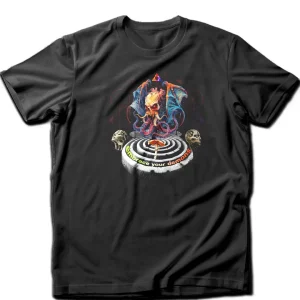
embrace your demons t-shirt

The Psychedelic Renaissance: Catalyst for Mystical Explorations

In the midst of the 20th century, a wave of curiosity swept across cultures and societies, leading to the exploration of altered states of consciousness through psychedelics. This era, often referred to as the “psychedelic revolution,” marked a significant shift in the perception of these substances—from counterculture experiments to potential tools for self-discovery and spiritual awakening. As the psychedelic renaissance of the 21st century gains momentum, the profound link between psychedelics and mystical experiences comes into sharper focus.

Exploring the Psychedelic Experience

The psychedelic experience is a journey into the depths of one’s own consciousness. Psychedelics, which include substances like psilocybin, LSD, DMT, and mescaline, interact with the brain’s serotonin receptors, altering perception, cognition, and emotions. These substances have the potential to induce states of mind that transcend the boundaries of ordinary reality, opening the door to a realm where the mystical and the mundane coalesce.

Researchers and enthusiasts alike have reported striking parallels between the effects of psychoactive drugs and descriptions of mystical experiences documented throughout history. These parallels extend to themes such as interconnectedness, a sense of unity with the universe, and a feeling of transcendence beyond the ego. As individuals journey through the landscape of their own minds, they often encounter visions, sensations, and insights that mirror the mystic’s encounter with the divine.

The Mystical Core of Psychedelic Experience

Central to the link between psychedelics and mysticism is the phenomenon of ego dissolution. Mystics across traditions describe shedding the sense of self, merging with the cosmos, and experiencing a profound interconnectedness. Psychedelic experiences frequently mirror these themes by temporarily dissolving the boundaries between the self and the external world. This dissolution of ego can result in feelings of oneness and unity that echo the core of many mystical traditions.

The concept of ineffability, too, finds resonance in the psychedelic experience. Mystics often grapple with the challenge of expressing their encounters with the divine using human language. Similarly, individuals who undergo psychedelic experiences often report that the depth and intensity of their journey defy adequate verbal description. Both mystics and psychonauts share a sense of awe and wonder at the ineffable nature of their encounters.

The Neurobiology of Mystical States

Modern scientific research has shed light on the neurobiological underpinnings of mystical experiences, revealing intriguing connections to psychedelic substances. Studies using functional magnetic resonance imaging (fMRI) have demonstrated that the brain’s default mode network—the network responsible for self-referential thoughts and the sense of ego—becomes less active under the influence of psychedelics. This reduction in default mode network activity correlates with reports of ego dissolution and the sense of boundless interconnectedness.

Furthermore, psychedelics like psilocybin have been shown to increase neural connectivity across brain regions that typically do not communicate as extensively. This heightened connectivity may contribute to the cross-sensory perceptions often reported during mystical experiences, where individuals describe “seeing” sounds or “feeling” colors. The convergence of scientific findings with anecdotal accounts reinforces the notion that the mystical experience and psychedelic states share neurobiological foundations.

Navigating the Mystical Psychedelic Experience

While the parallels between classic psychedelics and mysticism are striking, it’s important to note that not all psychedelic experiences are inherently mystical. Factors such as set and setting—referring to the mindset of the individual and the environment in which the experience occurs—play a pivotal role in shaping the nature of the journey. Intention also factors in; those who approach psychedelics with a desire for spiritual insight or self-exploration are more likely to report mystical encounters.

The emergence of psychedelic-assisted psychotherapy adds a structured and therapeutic context to the exploration of mystical experiences. Clinical research, often involving substances like psilocybin and MDMA, is examining how these substances can be used to enhance psychotherapeutic processes and address mental health concerns. This approach combines the potential for mystical insights with a supportive therapeutic environment.

As humanity continues to seek deeper meaning, understanding, and connection, the intersection of psychedelics and mysticism presents a fascinating frontier of exploration. The psychedelic renaissance has revitalized discussions surrounding the mystical experience, prompting researchers, philosophers, and individuals to reevaluate the nature of consciousness and the boundaries of reality.


Psychedelic Experiences and the Path to Transcendence

The realm of psychedelics has long been intertwined with the mystical, offering a profound avenue for individuals to embark on journeys of self-discovery, introspection, and the exploration of higher states of consciousness. The convergence of the psychedelic experience and mysticism has sparked a renaissance of interest and research, with many seeking to understand the mechanisms underlying this transformative connection.

Psychedelic Experience: A Glimpse Beyond Reality

The heart of the mystical experience lies in its potential to transcend ordinary reality and venture into the unknown landscapes of the mind. Psychedelic substances, with their ability to profoundly alter perception, mood, and cognition, serve as catalysts for such explorations. Whether through psilocybin mushrooms, LSD, DMT, or other compounds, individuals are transported to a realm where the boundaries between self and universe blur, revealing the interconnectedness of all existence.

The effects of psychedelic drugs are not mere chemically-induced hallucinations; they often share remarkable similarities with descriptions of mystical experiences reported by mystics, shamans, and contemplatives throughout history. Sensations of unity with the cosmos, a loss of ego boundaries, and encounters with ineffable dimensions echo across cultures and time periods. This correspondence between psychedelic states and mystical accounts underscores the profound nature of these experiences.

Diving into Mystical Dimensions: A Closer Look

Mystical-type experiences are characterized by their ineffable and transcendent qualities as well as their therapeutic effects. These moments of deep insight often encompass feelings of unity with all creation, a profound sense of interconnectedness, and a dissolution of the self’s boundaries. The psychedelic journey aligns with these mystical themes by temporarily dismantling the ego—a construct that forms the basis of individual identity—allowing for the perception of a grander cosmic tapestry. These acute effects tend to persist long after the psychedelic agent is out of the person’s system and has been reported to improve one’s quality of life.

Research has shown that during psychedelic experiences, brain activity patterns shift. The default mode network, responsible for self-referential thoughts and ego-centric processing, becomes less active. This neurobiological change aligns with mystics’ descriptions of ego dissolution, as it corresponds to a reduction in self-centered thoughts. This overlap between science and mysticism suggests that both pathways may lead to similar altered states of consciousness.

Catalysts for Transformation: Spiritual Experiences

Mystical experiences triggered by psychedelics often result in significant personal transformation. Individuals who encounter these states frequently report a profound shift in their perception of self and reality. These shifts can manifest as a greater appreciation for life, an enhanced sense of purpose, and a more interconnected worldview. Such transformations can have far-reaching implications, influencing behaviors, relationships, and attitudes towards mental health and well-being.

One area where the potential of mystical experiences is being explored is in the treatment of mental health disorders. Studies have shown promising results in using psychedelics, under controlled settings, to address conditions such as treatment-resistant depression, anxiety, and post-traumatic stress disorder. The mystical qualities of these experiences appear to play a crucial role in the therapeutic benefits observed. Individuals who encounter mystical dimensions during their journeys often report reduced symptoms and a renewed outlook on life.

Nurturing Mystical Encounters: Set, Setting, and Intention

Navigating the realm of the mystical through psychedelics requires careful consideration of set, setting, and intention. “Set” refers to an individual’s mindset and emotional state before embarking on a psychedelic journey. Approaching the experience with curiosity, openness, and a willingness to explore the unknown can enhance the likelihood of encountering mystical dimensions. “Setting” pertains to the physical and social environment in which the experience takes place. Creating a safe, comfortable, and supportive space can foster the conditions for transformative encounters.

Intention also plays a vital role in shaping the nature of the psychedelic journey. Those who approach the experience with an intention for self-discovery, healing, or spiritual growth are more likely to encounter mystical realms. Intention guides the trajectory of the experience and sets the stage for meaningful insights.

The Nexus of Science and Spirituality: Mystical Research

One of the physical effect of psychedelic medicine is neural plasticity but as the renaissance of psychedelic research unfolds, the link between religious experiences and their therapeutic potential is garnering increased attention . Clinicians, scientists, and researchers are collaborating to better understand the nuances of these encounters and how they can be harnessed for positive change. The study of mystical experiences extends beyond the confines of personal anecdotes; it’s becoming an interdisciplinary exploration that bridges neuroscience, psychology, and spirituality.

In the next sections, we’ll delve into specific psychedelic substances and their unique interactions with mysticism. From psilocybin’s historical significance to the transcendental qualities of DMT, each substance offers a distinct path to exploring the mystical dimensions of human consciousness. Through a synthesis of ancient wisdom and modern science, we continue our journey into the heart of the mystical experience and its profound implications for individual transformation and collective consciousness.


Psilocybin and the Transformation of Consciousness

Within the realm of psychedelics, few substances possess the storied history and potential for transformative experiences as psilocybin mushrooms. These remarkable fungi, often referred to as “magic mushrooms,” have been revered by cultures across the globe for their ability to induce profound shifts in consciousness and offer glimpses into mystical dimensions. As we explore the effects of psilocybin on mental health and its role in decreasing depression, we delve deeper into the intricate relationship between psychedelics and the mystical experience.

Psilocybin Mushrooms: A Gateway to Mystical Realms

Psilocybin, the psychoactive compound found in magic mushrooms, has been a central figure in both cultural rituals and contemporary scientific research. For centuries, indigenous cultures integrated these mushrooms into their ceremonies, utilizing their potential to access altered states of consciousness and connect with the divine. In more recent times, rigorous scientific studies have uncovered the profound effects of psilocybin on the human mind.

Unlocking the Mystical Experience

One of the most captivating effects of psilocybin is its capacity to facilitate mystical experiences. These encounters are characterized by a profound sense of interconnectedness, ego dissolution, and unity with the universe. The dissolution of the ego, a cornerstone of the mystical experience, is associated with a temporary dismantling of one’s sense of self. This dissolution often leads to feelings of unity, compassion, and transcendence—qualities that resonate with the descriptions of mystics and spiritual seekers across traditions.

In controlled settings, psilocybin has been administered to individuals facing treatment-resistant depression, anxiety, and other mental health disorders. Studies have shown that these experiences can be deeply transformative, resulting in decreased symptoms of depression and anxiety. The mystical qualities of the experiences are believed to play a significant role in these therapeutic outcomes.

Decreases in Depression: A Glimmer of Hope

The effects of psilocybin on mental health have garnered significant attention, particularly in the context of decreasing depression. Individuals grappling with depression often find themselves trapped in the depths of hopelessness, struggling to find relief through conventional treatments. Recent studies have illuminated the potential of psilocybin to break this cycle and offer newfound paths to healing.

Research conducted in prestigious institutions has demonstrated the substantial antidepressant effects of psilocybin. Participants in clinical trials have reported significant decreases in depression and anxiety symptoms after undergoing psilocybin-assisted therapy. The mystical dimensions of these experiences, including feelings of interconnectedness and unity, are believed to contribute to the reduction of depressive symptoms. The profound insights gained during these encounters may help individuals reframe their understanding of their own suffering and find a renewed sense of purpose and vitality.

A Glimpse of Hope for Mental Health Disorders

Beyond depression, psilocybin has shown potential in addressing a range of mental health disorders. From anxiety to post-traumatic stress disorder (PTSD), the transformative effects of psilocybin-assisted therapy are being explored as a novel approach to treatment. The mystical dimensions of the experiences appear to catalyze shifts in perception, allowing individuals to confront past traumas and navigate their emotional landscapes with newfound clarity.

As we peer through the mystical mirrors offered by psilocybin, we begin to see the potential for a paradigm shift in the treatment of mental health disorders. The integration of these experiences into therapeutic settings provides a unique opportunity for individuals to harness their inherent capacity for healing and transformation.

Unveiling the Future: Psilocybin’s Mystical Potential

The interplay between psilocybin, the mystical experience, and mental health offers a glimpse into a future where conventional treatment approaches are expanded to encompass the depths of human consciousness. By embracing the insights gained through mystical encounters, we may unlock novel paths to healing, self-discovery, and personal growth. As research continues to illuminate the multifaceted effects of psilocybin on mental health, we find ourselves at the precipice of a new era—one in which the mystical dimensions of human experience are embraced and integrated for the betterment of individual well-being and collective consciousness.

Integration and Ethical Considerations

As we conclude our exploration of the mystical experience and its entwined relationship with psychedelics, it is paramount to address the crucial phase that follows the profound encounters—the process of integration. While the mystical experience can be a catalyst for transformation, it is in the integration of these insights into daily life that its true potential is realized.

Integration: Bridging the Profound and the Mundane

The mystical experience is often described as a glimpse beyond the veil of ordinary reality, providing individuals with insights that challenge the limitations of the egoic mind. However, for these insights to create lasting change, they must be translated into practical actions and sustainable behavioral shifts. This is where the integration process comes into play.

Integration is not an immediate endeavor but a gradual and deliberate journey. It involves weaving the revelations and lessons from the mystical experience into the fabric of one’s daily life. By integrating these insights, individuals can harness the transformative power of the encounter and enact positive changes in their relationships, work, and overall well-being.

Guidance in Integration: The Role of Therapists and Guides

In the context of therapeutic settings, integration is often facilitated by trained therapists, guides, or facilitators. These professionals provide a safe and supportive space for individuals to share their experiences, explore their insights, and navigate the challenges that may arise. Through guided discussions, personalized practices, and reflection, individuals are empowered to apply the wisdom gained during the mystical experience to their everyday reality.

The role of therapists and guides is not to impose interpretations but to help individuals make sense of their experiences in ways that resonate with their unique life circumstances. They offer tools and strategies that aid in translating profound insights into tangible actions, fostering a sense of coherence and continuity between the extraordinary and the ordinary.

Ethical Considerations: Navigating the Mystical Landscape

As the exploration of psychedelics and mystical experiences gains momentum, ethical considerations become paramount. The sacred nature of these encounters necessitates responsible use and careful consideration of the potential risks and benefits. Individuals seeking to embark on this journey should approach it with reverence, mindfulness, and a commitment to their well-being.

The need for ethical conduct extends to researchers, therapists, and the broader community. Transparency in research methodologies, therapeutic protocols, and education about the potential risks are essential to ensure the safety and integrity of individuals exploring the mystical dimensions of consciousness.

The Call for Cultural Evolution

Beyond individual transformation, the integration of mystical experiences and psychedelics invites us to reconsider our societal narratives and value systems. The insights gained from these encounters challenge the constructs that perpetuate separation, materialism, and environmental degradation. They offer a profound invitation to cultivate greater empathy, interconnectedness, and reverence for the web of life.

The path forward requires a harmonious dance between scientific inquiry and spiritual wisdom. As we continue to unveil the mysteries of the human mind, let us also honor the sacredness of the mystical experience. By doing so, we can contribute to a collective evolution that embraces the richness of human consciousness while fostering a deep connection to ourselves, each other, and the planet.

A Continued Journey of Discovery

The intersection of the mystical experience and psychedelics beckons us to embark on a continued journey of discovery. As researchers delve deeper into the neurological, psychological, and spiritual dimensions of these encounters, the horizon of understanding expands. Simultaneously, individuals who have tasted the ineffable through mystical experiences continue to explore the depths of their own consciousness, integrating insights that ripple through the tapestry of their lives.

In this era of renewed exploration, let us navigate the realms of the mind with reverence, curiosity, and a sense of responsibility. By honoring the mystical experiences catalyzed by psychedelics, we forge a path toward individual and collective transformation—a path that intertwines the extraordinary and the everyday, the mystical and the mundane, and beckons us to embrace the boundless potential of the human spirit.

 

How to grow your own mushrooms

How to grow your own mushrooms

Unveiling the Magic of Mushroom Cultivation

Welcome to the captivating world of mushroom cultivation, where nature’s wonders meet the thrill of hands-on gardening. In this section, we’ll explore the intriguing reasons behind the growing popularity of homegrown mushrooms and the fascinating journey that transforms spores into the diverse array of fungi we admire.

Why Cultivate Your Own Mushrooms?

As the world embraces sustainability, health-consciousness, and a desire for self-sufficiency, the allure of growing your own mushrooms becomes undeniable. The benefits are manifold:

  1. Nutritional Richness: Homegrown mushrooms offer an array of nutrients, from essential vitamins like B and D to minerals and antioxidants. They’re an excellent addition to your diet, enhancing your overall well-being.
  2. Medicinal Potential: Certain mushroom species boast medicinal properties that have been used for centuries in traditional medicine. Growing these mushrooms at home allows you to harness their potential for immune support, stress reduction, and more.
  3. Environmental Friendliness: Cultivating mushrooms generates minimal waste and requires relatively little space. This eco-friendly practice reduces your carbon footprint and contributes to a sustainable lifestyle.
  4. Educational and Therapeutic: Mushroom cultivation offers a profound learning experience. Observing the growth cycle, experimenting with different strains, and nurturing living organisms can be meditative and therapeutic.
  5. Unleash Creativity: From culinary delights to unique craft projects, homegrown mushrooms provide a canvas for creative exploration. Imagine infusing your dishes with gourmet flavors or crafting stunning arrangements using your cultivated fungi.

open your mind

Exploring the Mushroom Life Cycle

To embark on a successful mushroom cultivation journey, it’s essential to understand the life cycle of these fascinating organisms:

  1. Spore Stage: The journey begins with spores, tiny reproductive cells released by mature mushrooms. These spores are like seeds, waiting for the right conditions to germinate.
  2. Colonization: When spores land on a suitable substrate (growth medium), they germinate and develop into mycelium. Mycelium is the branching network of thin, thread-like structures that serve as the mushroom’s “root system.”
  3. Fruiting Stage: Once mycelium colonizes the substrate, it’s time for the mushroom to emerge. Environmental cues such as light, temperature, and humidity trigger the mycelium to form tiny mushroom pins, which eventually grow into mature mushrooms.
  4. Maturation and Harvest: As the mushrooms continue to grow, they reach their full size, and their caps open to reveal gills or pores. This is the stage at which you’ll harvest your homegrown mushrooms, enjoying the culmination of your nurturing efforts.

By unveiling the captivating world of mushroom cultivation, you’ve taken your first step into a realm filled with potential, creativity, and wonder. With each stage of the journey, you’ll witness the magic of life unfolding before your eyes, cultivating not only mushrooms but also a deeper appreciation for nature’s intricacies. As we delve

Selecting the Right Mushroom Varieties for Your Project

Selecting the right mushroom varieties is a crucial step in your cultivation journey. Different mushroom species have unique growth requirements and offer varying flavors, textures, and medicinal properties. Let’s delve into the process of choosing the perfect mushrooms for your project.

Consider Your Goals: Culinary or Medicinal?

Begin by identifying your primary purpose for cultivating mushrooms. Are you looking to enhance your culinary creations with delectable flavors and textures? Or are you intrigued by the potential medicinal properties of certain mushroom species?

For Culinary Delights:

  • White Button Mushrooms: A popular choice for beginners, these mild-flavored mushrooms are versatile and can be used in various dishes.
  • Oyster Mushrooms: Known for their delicate flavor and velvety texture, oyster mushrooms come in different colors and are great for stir-fries, soups, and more.
  • Shiitake Mushrooms: Renowned for their rich, umami taste, shiitake mushrooms are a favorite in Asian cuisine and can be used in broths, sauces, and sautés.

For Medicinal Uses:

  • Lion’s Mane Mushrooms: With potential cognitive benefits, lion’s mane mushrooms are often used to support brain health and memory.
  • Reishi Mushrooms: Known as the “mushroom of immortality,” reishi mushrooms have been used for centuries in traditional medicine to support immunity and reduce stress.
  • Chaga Mushrooms: Highly valued for their potential antioxidant properties, chaga mushrooms are often consumed as tea to promote overall well-being.

open your mind

Understanding Growth Mediums

Mushrooms thrive on specific growth mediums, also known as substrates. The choice of substrate depends on the mushroom species you’re cultivating:

  • Common Substrates: These include hardwood sawdust, straw, and various types of grain, such as rye or millet. Different mushrooms have preferences for specific substrates.

Temperature and Humidity Requirements

Each mushroom variety has its preferred temperature and humidity range for optimal growth. Consider these factors when choosing the mushrooms to cultivate:

  • Temperature: Some mushrooms prefer cooler temperatures, while others thrive in warmer conditions. Maintain the ideal temperature range to promote healthy growth.
  • Humidity: Adequate humidity is essential for the formation of mushroom pins and proper development. Mist your growing environment regularly to maintain humidity levels.

As you explore the vast array of mushroom varieties available for cultivation, you’ll uncover a world of flavors, textures, and potential health benefits. Whether you’re envisioning gourmet dishes adorned with homegrown delicacies or seeking to harness the therapeutic potential of medicinal mushrooms, your choice of species sets the stage for your mushroom cultivation adventure.

Creating the Ideal Growing Environment

To successfully cultivate mushrooms, creating an optimal growing environment is paramount. From the choice of location to the setup of essential equipment, each element plays a crucial role in the health and productivity of your mushroom crop.

Choosing a Suitable Location

Selecting the right location for your mushroom cultivation is essential for maintaining the right temperature, humidity, and cleanliness. Consider the following factors when setting up your growing space:

  • Temperature Control: Choose a space where you can regulate temperature effectively. Depending on the mushroom variety, you’ll need to maintain specific temperature ranges for successful growth.
  • Natural Light: While mushrooms don’t require direct sunlight, some ambient light is beneficial. Avoid exposing your growing area to strong sunlight or drafts that can disrupt temperature and humidity levels.
  • Hygiene and Cleanliness: A clean environment is critical to preventing contamination. Keep your growing area free from dust, dirt, and potential sources of contaminants.

Gathering Necessary Equipment

Equip yourself with the essentials to ensure a smooth cultivation process:

  • Growing Containers: Depending on your chosen substrate, you’ll need containers like plastic bags, buckets, or trays to hold the substrate and mushrooms.
  • Substrate Materials: Prepare the appropriate substrate material based on your mushroom variety’s requirements.
  • Misting System: A misting system or spray bottle is essential for maintaining humidity levels. Mushrooms need moisture for healthy growth and to prevent drying out.
  • Thermometer and Hygrometer: Accurate temperature and humidity measurement tools are crucial for maintaining optimal conditions.

Sterilization and Pasteurization

To prevent contamination and ensure the healthy development of your mushrooms, sterilization or pasteurization of your substrate is necessary. Different mushroom species have varying substrate preparation methods:

  • Sterilization: Some mushrooms require sterilization of the substrate to eliminate any competing microorganisms. This is usually done by pressure cooking or autoclaving the substrate.
  • Pasteurization: For certain mushroom varieties, pasteurization involves heating the substrate to a temperature that kills harmful microorganisms while preserving beneficial ones.

Initiating Growth

With your environment set up and substrate prepared, it’s time to introduce the mushroom spores or mycelium to kick-start the growth process. Depending on the mushroom variety, you’ll use spore syringes, liquid cultures, or colonized substrates to inoculate the growing medium.

Creating an ideal growing environment is like laying the foundation of a house; it’s essential for a strong and productive harvest. By selecting an appropriate location, gathering the necessary equipment, ensuring cleanliness, and preparing your substrate correctly, you’re setting the stage for the mycelium to flourish.

Choosing the Right Mushroom Variety and Inoculation Techniques

Selecting the appropriate mushroom variety and mastering effective inoculation techniques are pivotal steps in your journey toward growing your own mushrooms. In this section, we’ll explore various mushroom types and delve into two common inoculation methods: the spore syringe method and the wooden dowel method.

Exploring Different Mushroom Types

Before beginning your cultivation journey, it’s essential to decide on the type of mushroom you want to grow. Each variety has its own growth requirements, preferred substrates, and environmental conditions. Here are a few popular types of mushrooms that are well-suited for cultivation:

  • Oyster Mushrooms (Pleurotus spp.): These fast-growing mushrooms are popular among beginners due to their adaptability and quick cultivation cycles. They thrive on a variety of substrates, including straw, coffee grounds, and sawdust.
  • Shiitake Mushrooms (Lentinula edodes): Known for their rich flavor and health benefits, shiitake mushrooms require a bit more patience and attention. They typically grow on hardwood logs and can be cultivated using the wooden dowel method.
  • Lion’s Mane Mushrooms (Hericium erinaceus): With their unique appearance and potential cognitive benefits, lion’s mane mushrooms are gaining popularity. They often grow on hardwood substrates and can be cultivated indoors or outdoors.

Inoculation Techniques

After selecting your desired mushroom variety, it’s time to initiate the growth process through inoculation. This involves introducing mushroom spores or mycelium to a substrate to encourage colonization. Here are two common inoculation methods:

1. Spore Syringe Method

The spore syringe method is ideal for cultivating mushrooms from spores. Here’s how it works:

  • Prepare the Substrate: Fill your growing container with the appropriate substrate for your chosen mushroom variety.
  • Inoculation: Inject the spore solution from the syringe into the substrate. The spores will germinate and develop mycelium, which will eventually lead to fruiting.
  • Incubation: Place the inoculated substrate in a controlled environment to allow the mycelium to colonize the substrate fully.

2. Wooden Dowel Method

The wooden dowel method is commonly used for cultivating mushrooms that grow on wood-based substrates, like shiitake mushrooms. Here’s how to use this technique:

  • Prepare the Logs: Obtain healthy tree logs (preferably hardwood) and drill holes into them. These holes will serve as the inoculation points.
  • Insert Dowels: Insert wooden dowels that are infused with mushroom mycelium into the drilled holes.
  • Seal and Incubate: Seal the dowels in the holes with wax to prevent contamination. Place the logs in a shaded and humid area to allow colonization.

Maintaining Moisture Levels

Regardless of the inoculation method you choose, maintaining proper moisture levels is crucial for successful colonization. Regularly misting the substrate or logs helps create a humid environment that encourages mycelial growth. If growing indoors, a humidity tent can be used to maintain the necessary moisture levels.

By selecting the right mushroom variety and employing effective inoculation techniques, you’re setting the stage for a thriving mushroom crop. Different varieties offer unique flavors, appearances, and growth requirements, so make sure to choose one that aligns with your preferences and resources. Whether you opt for the spore syringe method or the wooden dowel method, maintaining the right moisture levels is key to supporting healthy mycelial colonization. As you progress, you’ll witness the transformation of your substrate as mycelium takes root, signaling the exciting step toward fruiting and eventually harvesting your very own mushrooms.

Nurturing Growth and Harvesting: A Close Look at Colonization and Fruiting

As your mushroom mycelium establishes itself within the substrate, the magical process of colonization is underway. In this section, we’ll delve into the intricacies of this growth stage and explore the transition to the exciting fruiting phase. Additionally, we’ll discuss key practices to ensure healthy mushroom growth, including species-specific considerations and the critical role of maintaining optimal moisture levels.

Understanding Colonization and Its Stages

Colonization is the phase during which the mushroom mycelium permeates and colonizes the substrate. This process is essential for nutrient absorption and setting the stage for eventual fruiting. Understanding the stages of colonization will help you track the progress of your mushroom cultivation:

  1. Spawn Run: This initial stage involves mycelium growth from the inoculation points to colonize the substrate. The mycelium networks and spreads, establishing its foothold.
  2. Consolidation: As the mycelium continues to spread, it strengthens its presence and forms a dense network. The substrate becomes white as it becomes fully colonized.

Transitioning to the Fruiting Stage

Once the substrate is fully colonized, it’s time for the fruiting stage. During this phase, mushrooms begin to develop and mature. Fruiting requires specific environmental conditions and often involves the following steps:

  1. Initiating Fruiting Conditions: Mushrooms require a shift in environmental conditions to trigger fruiting. This involves adjusting factors such as temperature, humidity, and light exposure.
  2. Pinning: Small, pin-like structures, known as “pins,” begin to emerge from the substrate. These pins are early mushroom formations that will eventually mature into fully developed mushrooms.
  3. Fruiting Body Development: The pins develop into mature fruiting bodies. At this stage, it’s essential to maintain proper humidity and airflow to support healthy growth.

Species-Specific Considerations

Different species of mushrooms have distinct requirements for colonization and fruiting. For example:

  • Oyster Mushrooms: These fast-growing mushrooms thrive on a variety of substrates, including straw, wood chips, and even coffee grounds. They require high humidity levels and consistent moisture.
  • Shiitake Mushrooms: Shiitakes prefer hardwood logs and tend to have a longer growth cycle. Maintaining moisture and providing proper airflow are crucial for their development.

Maintaining Optimal Moisture Levels

Throughout the colonization and fruiting stages, maintaining appropriate moisture levels is paramount. Excess water can lead to contamination, while insufficient moisture can hinder mycelial growth and fruiting. Here’s how to strike the right balance:

  1. Regular Inspection: Regularly check the moisture content of your substrate or logs. Use visual cues like color and touch to assess moisture levels.
  2. Misting: Mist the substrate or logs as needed to maintain humidity. Use a spray bottle to avoid saturating the growing medium.
  3. Avoid Excess Water: While moisture is essential, avoid excess water that can lead to pooling or soggy substrate. This can attract contaminants and hinder growth.

Harvesting Your Bountiful Crop

Once your mushrooms have fully matured, it’s time to harvest and enjoy the fruits of your labor. Harvesting techniques vary based on the mushroom type:

  • Oyster Mushrooms: Gently twist and pull mature mushrooms to detach them from the substrate.
  • Shiitake Mushrooms: Use a sharp knife to cut the mushrooms at the base of their stems.

By understanding the stages of colonization, ensuring species-specific care, and maintaining the right moisture levels, you’re well on your way to a successful harvest. In the next section, we’ll explore the exciting world of troubleshooting common challenges and optimizing your mushroom cultivation techniques for the best results.

Cultivation Conclusion and Beyond

As we conclude this comprehensive guide to growing your own mushrooms, we’ve journeyed through the intricate steps required to nurture these remarkable fungi. From selecting the ideal substrate and ensuring optimal conditions to exploring therapeutic and magic mushroom varieties, you now possess the knowledge to embark on your mushroom cultivation endeavor.

The Transformative Potential of Psilocybin Mushrooms

While we’ve delved into various mushroom types, it’s important to acknowledge the powerful impact of psilocybin mushrooms on human consciousness. Psilocybin mushrooms, often referred to as “magic mushrooms,” have been used for centuries in cultural and spiritual practices. Recent research has also unveiled their therapeutic potential in addressing mental health conditions and promoting personal growth.

Mushrooms for Healing and Wellness

Beyond the allure of magic mushrooms, there’s a growing interest in therapeutic mushrooms. Varieties like reishi, lion’s mane, and chaga are gaining attention for their potential to support immune function, cognitive health, and overall well-being. Incorporating these mushrooms into your cultivation journey can provide a dual benefit of culinary enjoyment and potential health enhancement.

Sustainable Practices: Mushroom Initials and Post-Crop Compost

As you explore the world of mushroom cultivation, consider adopting sustainable practices. Utilize mushroom initials, which are pieces of mycelium-rich substrate, to kickstart new mushroom growth. Additionally, post-crop mushroom compost can be repurposed as a nutrient-rich addition to your garden or compost pile, contributing to a circular and eco-friendly approach.

The Endless Adventures of Fungi

While we’ve covered a broad range of mushroom varieties, the realm of fungi offers endless possibilities for exploration. From savory cremini mushrooms to the enigmatic blue oyster mushrooms, each type brings its own unique flavor, texture, and aesthetic appeal. With patience and practice, you’ll discover the joy of cultivating mushrooms that delight your palate and enrich your culinary creations.

Cultivating Curiosity and Connection

As you embark on your journey into mushroom cultivation, remember that it’s not just about the end result. The process itself fosters curiosity, patience, and a deeper connection to the natural world. Whether you’re nurturing therapeutic mushrooms, experimenting with magic mushrooms, or perfecting the art of culinary mushrooms, each step contributes to your growth as a cultivator and enthusiast.

Continuing the Exploration

Your journey doesn’t end here. As you become more adept at mushroom cultivation, you’ll likely uncover new techniques, recipes, and varieties to explore. By staying curious, learning from both successes and challenges and connecting with fellow mushroom enthusiasts, you’ll continue to enrich your knowledge and appreciation of these incredible organisms.

NEDs and Psychedelics

NEDs and Psychedelics

In the intricate tapestry of human existence, the boundaries between life and death remain some of the most enigmatic frontiers to explore. The domains of near-death experiences and psychedelic trips offer portals through which we can peer into the depths of our consciousness and unravel the mysteries of our mortality. A recent groundbreaking study, presented in the pages of PLOS One, has ignited a beacon of understanding, comparing the transformative impacts on individuals’ perceptions of death stemming from these extraordinary phenomena.

Near-Death Experiences: For centuries, the phenomenon of near-death experiences has captivated humanity’s imagination, often shrouded in a haze of awe and curiosity. In those moments when life hangs in the balance, individuals report entering a realm where the ordinary yields to the extraordinary. The study illuminates the spectrum of experiences that fall within this category, revealing the diverse circumstances and subjective characteristics that color these transcendent encounters. The implications extend beyond the surface, as the study probes how near-death experiences shatter the confines of mortality, leading to shifts in perceptions that encompass both the self and the world.

Psychedelic Trips: On the other side of the conscious spectrum lie psychedelic trips, propelled by substances that unlock the doors to the realm of the extraordinary. LSD, psilocybin, ayahuasca, and DMT act as vehicles transporting individuals into a kaleidoscope of colors, patterns, and visions. These inner odysseys reveal the innermost architecture of consciousness itself, offering glimpses into the vast landscapes of the mind. Yet, within this profound exploration lies an uncanny dichotomy – a person can feel as if they are dying, offering a glimpse into the brink of mortality even as their consciousness dances in surreal realms. The study delves into the nuances of these mind-altering journeys, striving to understand how they contribute to our comprehension of mortality.

ego dissolution t-shirt

The Study’s Quest: At the heart of this study lies a quest for understanding, a voyage to comprehend the depths to which near-death experiences and psychedelic trips shape our perceptions of existence and mortality. Utilizing a meticulous methodology, the researchers embarked on a mission to gather data from individuals who had experienced one or both of these extraordinary encounters. Their approach encompassed a series of questionnaires that spanned the landscape of experiences, from the type of substances used during psychedelic trips to the context within which these experiences unfolded.

As we journey further into the intricacies of this study, the curtains are lifted on the transformative effects of near-death experiences and psychedelic trips. The realms they unlock are beyond the mundane, ushering participants into states of consciousness that defy convention. With their transformative potential, these experiences become windows through which we can perceive our own mortality and contemplate the grand tapestry of human consciousness. The study’s insights are the first brushstrokes on a canvas that promises to reveal a broader understanding of the connection between the extraordinary and the everyday, the profound and the mundane. As we delve deeper into the study’s revelations, we are compelled to ask: How do near-death experiences and psychedelic trips reshape our understanding of mortality, and what implications do these revelations hold for our perception of life itself?

Section 2: Unveiling the Methodological Tapestry: Gathering Insights

In the pursuit of comprehending the profound transformations that near-death experiences and psychedelic trips impart on our perception of mortality, the study’s methodology stands as a guiding thread. The tapestry of data collection intricately weaves together the narratives of individuals who have ventured into the realms of the extraordinary. This section delves into the meticulous steps taken to gather this invaluable information, shedding light on the approach that uncovers the intricacies of these encounters.

Harnessing the Power of Questionnaires: The study’s architects recognized the significance of individual accounts, embarking on a journey to collect data through a series of well-structured questionnaires. These tools became bridges that spanned the gap between the participants’ subjective experiences and the objective understanding sought by the researchers. Through the art of questioning, a canvas emerged upon which participants could paint their vivid narratives, revealing the contours of their near-death experiences and psychedelic journeys.

A Diverse Array of Respondents: The study’s embrace extended to individuals from diverse walks of life, each contributing their unique brushstrokes to the evolving portrait of extraordinary encounters. Participants were recruited through various avenues, including internet advertisements, emails, and social media platforms intricately connected to psychedelic experiences or near-death phenomena. This diversity ensured that the study captured a range of voices, each offering insights that enriched the overarching narrative.

ego dissolution t-shirt

Two Streams, One Vision: To capture the nuances intrinsic to both near-death experiences and psychedelic trips, the researchers ingeniously designed two distinct versions of the survey. One catered to individuals who had undergone psychedelic journeys, while the other resonated with those who had embarked on near-death or similar encounters. This dual-pronged approach allowed the researchers to discern the unique characteristics of each experience, while also comparing and contrasting the profound transformations they engender.

Quantifying Profound Encounters: To translate these profound encounters into measurable insights, the study incorporated a battery of standardized scales. The Greyson Near-Death Experience Scale became a compass, quantifying the dimensions of near-death experiences. The Hallucinogen Rating Scale provided a framework for assessing the intricate characteristics of acute psychedelic experiences. The Revised Death Attitude Profile enabled the researchers to gauge participants’ evolving perspectives on mortality – a fundamental pillar in understanding the transformative potential of these encounters.

Sample Size and Diversity: The study’s canvas stretched to accommodate 15,956 respondents who embarked on the journey of sharing their extraordinary experiences. However, the meticulous approach didn’t end there. Eligibility criteria were applied to refine the sample, excluding incomplete or irrelevant responses. The final tapestry encompassed 3,192 responses, each contributing a brushstroke that shaped the grand narrative. From the Psychedelic Group to the Non-Drug Group, these participants provided a diverse spectrum of insights that deepened the study’s insights.

As the study’s methodology is unveiled, it becomes clear that the power of these extraordinary experiences is not confined to abstract realms. Through carefully crafted questionnaires, diverse participants, and meticulous scales, the study harnessed the collective narratives of those who have tread the paths of near-death experiences and psychedelic trips. The data collected serves as a treasure trove of insights, offering a portal through which we can peer into the profound transformation these encounters inspire. The methodology’s intricate weave is a testament to the study’s commitment to capturing the essence of the extraordinary and translating it into a language of understanding.

Charting the Course: Navigating the Experiential Realms

As we delve further into the study’s findings, the spotlight turns towards the diverse experiential landscapes that participants ventured into during their near-death experiences and psychedelic trips. This section navigates the uncharted territories of these encounters, exploring the differences and commonalities that emerged as participants embarked on journeys that transcended the ordinary.

A Kaleidoscope of Experiences: Near-death experiences and psychedelic trips share the common thread of plunging individuals into realms beyond the mundane. However, the colors and contours of these experiences differ, reflecting the unique nature of each journey. Near-death experiences often envelop participants in a cocoon of timelessness, where profound insights about existence and transcendence are unveiled. On the other hand, psychedelic trips, facilitated by substances like LSD, psilocybin, ayahuasca, or DMT, ignite a carnival of sensory exploration. Participants are thrust into a realm of kaleidoscopic visions, patterns, and altered states of consciousness, each as individual as the one who experiences it.

The Veil Between Worlds: In the embrace of near-death experiences, participants often report encountering a thinning of the veil between life and death. They describe an immersion in vivid sensory perceptions, from the light at the end of the tunnel to ethereal encounters with loved ones who have passed. The narrative shifts from the ordinary to the extraordinary, as participants traverse the liminal space that separates existence from the great unknown.

The Cosmic Carousel: On the psychedelic journey, participants climb aboard the cosmic carousel of perception-altering substances. Psychedelic drugs reveal hidden dimensions within the fabric of reality, weaving together intricate tapestries of vibrant colors and fractal patterns. The boundaries of self dissolve, replaced by an interconnectedness with the universe that transcends individuality. Visions of deities, archetypal figures, and mystical landscapes unfold, inviting participants to explore the recesses of their subconscious minds.

Existential Reflections: At the heart of both experiences lies a profound encounter with mortality and the contemplation of life’s transient nature. In near-death experiences, the prospect of crossing the threshold between life and death prompts reflections on the purpose of existence and the essence of consciousness. Participants emerge from these encounters with altered perspectives, often reporting a decreased fear of death and a greater curiosity about the mysteries of existence.

Tripping Beyond the Veil: Similarly, psychedelic trips propel individuals into an arena where life’s impermanence takes center stage. The kaleidoscopic visions and altered states of consciousness engender contemplations on the interconnectedness of all life forms, the fleeting nature of human existence, and the potential for transcendent experiences beyond the material realm. Such insights often lead to an increased appreciation for life’s mysteries and a curiosity about the nature of consciousness itself.

As the study’s findings illuminate the landscapes traversed during near-death experiences and psychedelic trips, it becomes evident that these encounters are not just momentary deviations from reality. They are journeys into the heart of existence, each experience offering a unique lens through which to view life, death, and the intricacies of human consciousness. In the interplay of commonalities and differences, participants explore the fringes of human experience, weaving a tapestry of insights that expand the boundaries of our understanding.

Beyond the Experience: Healing Potential and Mental Health Implications

As we embark on this expedition through the labyrinth of transformative experiences, we must pause to consider the profound implications they hold for mental health and therapeutic interventions. This section delves into the therapeutic potential of near-death experiences and psychedelic trips, unveiling their capacity to illuminate the path towards healing.

The Gateway to Healing: For individuals struggling with various mental health challenges, the prospect of finding solace and healing is a beacon of hope. Near-death experiences and psychedelic trips have emerged as intriguing avenues for therapeutic exploration. The revelations that participants encounter during these experiences often extend beyond the event itself, holding the promise of alleviating the burdens of psychological distress.

Shifting Paradigms: Traditional paradigms of mental health treatment have often centered around pharmacological interventions and talk therapies. However, as research into the therapeutic potential of psychedelic drugs gains momentum, a new horizon emerges. Psychedelic drugs such as LSD, psilocybin, and MDMA have shown promise in treating a spectrum of mental health conditions, ranging from treatment-resistant depression to post-traumatic stress disorder.

A Glimpse into the Psyche: Near-death experiences and psychedelic trips offer participants an intimate glimpse into the inner workings of their psyche. As the boundaries of consciousness dissolve, individuals confront buried emotions, unresolved traumas, and repressed fears. This inner excavation provides a unique opportunity for catharsis and emotional release, opening the doors to healing through self-discovery.

Bridging the Gap: One of the most remarkable revelations in the study is the potential for these experiences to bridge the gap between life and death. Participants who have encountered the brink of mortality report a profound shift in their perspectives on life’s challenges and the significance of human connection. Similarly, psychedelic trips can unveil the interconnectedness of all life forms, fostering a sense of empathy and unity with the world.

Healing and Growth: Beyond mere insights, these experiences have the potential to catalyze profound healing and personal growth. The study suggests that participants often report improved attitudes towards their own mortality, reduced fear of death, and a greater appreciation for life’s mysteries. For individuals struggling with mental health disorders, such transformations could herald the dawn of newfound resilience and hope.

A Shifting Landscape: The landscape of mental health treatment is undergoing a seismic shift, and near-death experiences and psychedelic trips are emerging as transformative agents in this evolution. Researchers, therapists, and medical professionals are increasingly recognizing the therapeutic potential of these experiences, leading to the development of innovative interventions such as MDMA-assisted psychotherapy and psychedelic-assisted psychotherapy.

As we navigate the terrain of mental health and healing, it becomes clear that these experiences are not isolated phenomena but threads woven into the fabric of human consciousness. The study’s findings shed light on the intricate connections between these experiences and mental health, opening the door to a new era of therapeutic possibilities. From the depths of near-death encounters to the kaleidoscopic visions of psychedelics, the journey towards healing takes on a profound new dimension, paving the way for individuals to embark on a path of transformation and restoration.

Unveiling the Future: Implications and Considerations

As we unveil the intricate tapestry woven by near-death experiences and psychedelic trips, it is imperative to delve into the implications and considerations that arise from this groundbreaking research. The fifth section of this exploration navigates through the uncharted waters of ethical, clinical, and societal dimensions, offering insights into the future landscape shaped by these experiences.

Ethical Quandaries: The convergence of spirituality, consciousness, and altered states of perception gives rise to a host of ethical questions. How can these experiences be integrated into clinical practice while respecting cultural and religious diversity? How can participants be safeguarded from potential psychological distress triggered by these transformative encounters? Ethical frameworks must be established to ensure the responsible and compassionate integration of these experiences into therapeutic contexts.

Cultural Sensitivity: The study’s findings highlight the diversity of experiences across different cultural and demographic groups. As therapeutic interventions involving near-death experiences and psychedelic trips unfold, it is paramount to acknowledge and honor cultural sensitivities. Tailoring therapeutic approaches to align with the belief systems and values of participants ensures a respectful and effective integration of these experiences.

Clinical Innovation: The therapeutic landscape is undergoing a renaissance with the integration of near-death experiences and psychedelic trips. Researchers and clinicians are harnessing these experiences to develop innovative treatments for mental health disorders, marking a paradigm shift from traditional therapeutic modalities. As we stand on the precipice of this clinical revolution, careful research and rigorous clinical trials will pave the way for evidence-based practices.

Long-Term Outcomes: While the study offers a glimpse into the transformative effects of these experiences, the long-term outcomes remain an area of exploration. How enduring are the positive changes in attitudes towards death and dying? Do participants experience sustained improvements in mental health and wellbeing? Longitudinal studies tracking participants over extended periods will shed light on the lasting impact of these experiences.

Section 6: The Endless Frontier: A Call for Further Exploration

The journey through near-death experiences and psychedelic trips is a frontier of endless possibilities. The final section of this exploration resonates as a call for further investigation, innovation, and understanding. As the boundaries of consciousness continue to be pushed, what lies beyond the horizons of our current knowledge?

Uncharted Territories: The study’s findings underscore the vastness of uncharted territories that lie within human consciousness. Every experience is a window into the complexity of our minds and the unexplored potential of the human psyche. By embarking on rigorous scientific inquiry, researchers can peel back the layers of mystery and illuminate the hidden dimensions of these experiences.

Multidisciplinary Collaboration: The exploration of near-death experiences and psychedelic trips transcends disciplinary boundaries. Collaboration between researchers, psychologists, neuroscientists, spiritual leaders, and cultural experts is essential to comprehensively understand the impact and implications of these experiences. A multidisciplinary approach ensures a holistic perspective and fosters a well-rounded discourse.

Cultivating Awareness: As these experiences take center stage in the realms of mental health and therapeutic interventions, raising awareness becomes imperative. Disseminating accurate information about the potential benefits, risks, and responsible usage of near-death experiences and psychedelic trips is essential to foster informed decision-making and safe practices.

A Catalyst for Change: The study’s revelations have the potential to catalyze societal transformation. By integrating the insights gained from these experiences into our collective understanding, we can cultivate greater empathy, compassion, and tolerance. The paradigm shift towards holistic approaches to mental health holds the promise of reshaping our relationship with ourselves, each other, and the world.

The Unending Quest: As we conclude this journey, we realize that we are merely scratching the surface of the mysteries that unfold through near-death experiences and psychedelic trips. With each revelation comes a cascade of questions and a renewed quest for understanding. The journey into the depths of human consciousness is unending, fueled by curiosity, the pursuit of knowledge, and the unquenchable thirst to unravel the enigma of existence itself.

DMT entities

DMT entities

The enigmatic world of psychedelics has captured the imagination of explorers and scientists alike, leading them to venture into uncharted territories of human consciousness from near death experiences to the meeting of deities. Among the array of mind-altering substances, one stands out for its unparalleled intensity and profound experiences – Dimethyltryptamine, or DMT. Often referred to as the “spirit molecule,” DMT has gained notoriety for inducing intense psychedelic journeys that transcend conventional perceptions of reality. However, it is the encounters with various entities in the DMT realm that truly set this experience apart, offering a glimpse into a mysterious domain of consciousness.

DMT is a naturally occurring psychedelic compound found in numerous plant sources, as well as in the venom of the Sonoran Desert-dwelling Bufo alvarius toad. The psychoactive effects of DMT are fleeting but potent, often described as launching users into alternate realities that are distinct from our ordinary waking state. The psychedelic effect may vary from just a body experience to experiences, which can be overwhelming in their intensity, and are usually referred to as “breakthrough experiences,” as they transport individuals beyond the constraints of the familiar world.

What truly distinguishes DMT experiences are the encounters with entities that users report. These entities are often described as sentient beings, intelligent entities, or even divine presences that exist within the DMT realm. These encounters are characterized by a sense of interaction, communication, and profound exchange, leading users to question the nature of reality and consciousness. Psychonauts are often wondering if it all happens in the human brain, if they in fact tapped into a higher reality or if its just a subjective effect. As otherwordly as it may sound, the conclusion tends to be that they experienced something more real than baseline reality and that the entity phenomena is real.

bufo in whisical mushroom fueled fantasy mindscape

The DMT experience, including encounters with entities, has sparked discussions across scientific, spiritual, and philosophical communities. While some researchers speculate that these experiences might be linked to the brain’s biochemical processes, others propose that they provide a glimpse into alternate dimensions or even a collective human consciousness. The accounts of DMT-induced entity encounters resonate with shamanic traditions, folklore, and mythologies that describe interactions with spirits, gods, and otherworldly beings.

In this article, we delve into the fascinating phenomenon of encountering entities in the DMT realm. We explore the diversity of entities reported, the cultural and historical contexts that shape interpretations, and the insights gained from personal accounts. Additionally, we address the theories surrounding these experiences, ranging from psychological interpretations to metaphysical hypotheses. While skepticism is a natural response, the prevalence and consistency of entity encounters in DMT experiences beckon us to consider the possibility of a hidden realm within the fabric of our consciousness.

As we embark on this exploration of the mysterious encounters with entities in the DMT realm, we invite you to suspend disbelief and open your mind to the tantalizing mysteries that lie beyond the threshold of our perceptions.

Diversity of Entities Encountered

The realm unlocked by DMT offers a tapestry of encounters with entities that spans cultures, traditions, and individual experiences. These entities, though diverse in appearance and demeanor, share a common thread in their profound impact on those who encounter them. The range of reported entities is as vast as the human imagination, and their descriptions evoke a sense of awe, wonder, and sometimes trepidation.

bufo in whisical mushroom fueled fantasy mindscape

Among the entities frequently encountered in the DMT realm are “machine elves” or “clockwork elves.” These beings are often described as small, humanoid creatures with intricate, mechanical features. They are believed to be highly intelligent and communicate through complex geometric patterns, offering insights and knowledge that transcend language. Others report interactions with beings resembling extraterrestrial entities, angels, or interdimensional beings, each possessing unique attributes and messages.

Shamans and spiritual practitioners have long described experiences of conversing with spirits or deities during altered states of consciousness. Similarly, DMT journeys often feature encounters with entities embodying these archetypal figures. Some users report engaging with motherly figures exuding unconditional love and wisdom, while others describe interactions with trickster-like entities that challenge perceptions and disrupt reality.

The context of these encounters can influence how they are perceived. Cultural and personal beliefs play a significant role in shaping the interpretation of entity interactions. For example, individuals with a background in shamanic traditions might view these experiences as communion with ancestral spirits, whereas those with a scientific outlook might explore neurological explanations.

The subjective nature of these experiences raises intriguing questions about the origin and nature of the encountered entities. Are they external beings inhabiting a separate dimension, or do they emerge from the depths of our psyche? Are these experiences symbolic reflections of our subconscious or glimpses into objective reality?

The commonalities shared in these diverse accounts are the profound sense of connection, the exchange of wisdom and insights, and the life-altering impact they have on individuals. These encounters challenge preconceived notions of reality, sparking curiosity about the fundamental nature of existence and consciousness itself.

Cultural and Historical Context of Entity Encounters

The phenomenon of encountering entities within altered states of consciousness is not limited to the DMT realm; it is deeply intertwined with the tapestry of human culture, history, and spirituality. Throughout different civilizations and epochs, people have reported encounters with supernatural beings, spirits, and deities during rituals, dreams, and altered states induced by various methods, including psychedelic substances.

Cross-cultural examination reveals fascinating parallels between entity encounters in the DMT realm and the myths and legends from diverse societies. Indigenous cultures have long embraced rituals and practices involving plant medicines to facilitate communication with spirits and ancestors. The Amazonian practice of ayahuasca ceremonies, for instance, often involves interacting with spirits and receiving guidance from the “ayahuasca spirits.”

In shamanic traditions, which have persisted across continents for millennia, the shaman is considered a bridge between the material and spiritual realms, often interacting with a variety of entities to acquire knowledge and healing power. The entity encounters within these traditions are steeped in cultural symbolism, reflecting the beliefs and values of the community.

Across time and space, cultures have expressed their interpretations of entity encounters through art, literature, and religious texts. The ancient Egyptian Book of the Dead, for example, features depictions of deities guiding souls through the afterlife, while Hindu mythology speaks of encounters with gods and celestial beings during meditation and spiritual practices.

In the modern era, the resurgence of interest in entheogens and psychedelic experiences has led to the documentation of entity encounters through contemporary lenses. Authors, artists, and researchers have explored the intersections between science, spirituality, and the numinous aspects of these experiences. Prominent figures like Terence McKenna and Rick Strassman have contributed to the discourse surrounding entity encounters, offering insights into the potential significance of these experiences.

The entity encounters within the DMT realm provide a modern context for ancient practices, bridging the gap between traditional wisdom and contemporary exploration. They challenge conventional Western paradigms of consciousness and invite a deeper consideration of the interconnectedness of all life and the unseen dimensions of reality.

Unraveling the Mysteries: Scientific and Philosophical Perspectives

The enthralling enigma of encountering entities within the DMT realm has sparked a multifaceted exploration that traverses the realms of both science and philosophy. Scientifically investigating these experiences poses unique challenges due to their inherently subjective nature and the limitations of empirical observation. Nonetheless, researchers and philosophers have embarked on journeys to understand the underlying mechanisms and implications of entity encounters.

Within the realm of neuroscience and psychology, researchers seek to decode the neural substrates responsible for generating such intricate and immersive experiences. Brain imaging techniques like functional magnetic resonance imaging (fMRI) and electroencephalography (EEG) allow glimpses into the brain’s activity during altered states induced by psychedelics. Insights into the default mode network (DMN), responsible for self-referential thinking, have illuminated the possible attenuation or alteration of this network during entity encounters.

The relationship between the serotonin 5-HT2A receptor and psychedelic experiences has also garnered attention. Studies suggest that psychedelics like DMT interact with these receptors, potentially inducing changes in perception and cognition that contribute to the vividness and complexity of entity encounters. The interaction between these compounds and neural pathways opens avenues for understanding the mind’s capacity to create seemingly autonomous entities.

Philosophically, entity encounters raise intriguing questions about the nature of reality, consciousness, and the boundaries between self and other. These experiences challenge conventional notions of individuality and question the dichotomy between subject and object. Scholars of philosophy of mind explore the implications of these encounters on theories of consciousness, positing that they may offer glimpses into the collective unconscious or alternative dimensions of existence.

The relationship between entity encounters and the human psyche invites inquiries into the significance of archetypes, symbolism, and cultural constructs. The works of Carl Jung, for instance, suggest that entities may embody universal symbols deeply embedded in the human psyche, providing insights into the collective unconscious and the shared narratives of humanity.

As research and exploration continue, the intersection of science and philosophy unravels the complex tapestry of entity encounters. Bridging the gap between the objective and subjective, these investigations hold the promise of shedding light on the nature of consciousness itself, offering a tantalizing glimpse into the mysteries of the human experience and the greater cosmos.

The Transformative Implications and Ethical Considerations

The profound and transformative impact of encountering entities in the DMT realm extends beyond the realm of personal experience, touching upon broader philosophical, psychological, and ethical considerations. As individuals recount their encounters with otherworldly beings, the ripple effects of these experiences begin to shape our understanding of self, reality, and the nature of existence.

One of the most remarkable aspects of entity encounters is their potential to induce lasting psychological and behavioral changes. Reports often speak of heightened empathy, altered priorities, and a newfound sense of interconnectedness with all life. These transformations can catalyze personal growth, leading individuals to reevaluate their relationships, life choices, and sense of purpose. The therapeutic potential of such experiences in addressing conditions like anxiety, depression, and addiction has piqued the interest of psychologists and researchers alike.

As the integration of entity encounters into therapeutic contexts gains traction, ethical considerations come to the forefront. Ensuring the safety and well-being of individuals who undergo these experiences is paramount. Practitioners of psychedelic-assisted therapy are tasked with creating supportive and regulated environments where participants can navigate their encounters while receiving appropriate psychological guidance. Striking a balance between facilitating personal growth and minimizing potential harm remains a key challenge.

The cultural and spiritual dimensions of entity encounters cannot be overlooked. Indigenous cultures have long incorporated plant-based psychedelics in their spiritual practices, often interpreting entity encounters as interactions with ancestral spirits or divine entities. In the modern context, these experiences challenge the boundaries of religious and spiritual beliefs, inviting individuals to explore new perspectives on the nature of divinity and the cosmos.

However, as these encounters are increasingly discussed in mainstream media and popular culture, there is a risk of sensationalism and misrepresentation. Balancing the promotion of knowledge with responsible discourse is essential to prevent the spread of misinformation and to foster a nuanced understanding of these experiences.

In conclusion, the journey into the heart of the DMT realm and the encounters with entities it holds are a testament to the expansiveness of human consciousness. Through the lens of science, spirituality, and philosophy, we’ve delved into the enigmatic landscape where self and other intertwine, opening doors to novel insights about the human psyche and the cosmos at large. As research, exploration, and dialogue continue, entity encounters remain a profound avenue for unraveling the mysteries of existence and unlocking the potential for personal and collective transformation.