by Raul Lopez | Jul 27, 2023 | blog
DMT: Unraveling the Mysteries of Dimethyltryptamine
Dimethyltryptamine—commonly known as DMT—is one of the most potent and mysterious psychedelics in nature. Found in numerous plants, trace‑produced by the human body, and central to traditional ayahuasca brews, DMT delivers lightning‑fast visionary experiences unlike anything else. In this comprehensive guide (1,500+ words), you’ll learn:
-
The Chemistry of DMT and Why Its Structure Matters
-
Natural Sources & Cultural Roots of DMT Use
-
The Signature DMT Experience, step by step
-
Tolerance & Timing: How long to wait between trips
-
Integration Techniques to turn visions into real‑world growth
-
Harm‑Reduction Strategies for safe, meaningful journeys
-
Legal & Ethical Considerations around DMT
Throughout, key terms like dimethyltryptamine are front‑loaded in headings and body copy to align with our SEO strategy, while numbered lists, clear subheads, and practical tips make this guide both searchable and reader‑friendly.
1. The Chemistry of DMT: A Serotonin Cousin
A. Molecular Structure
-
Formula: C₁₂H₁₆N₂
-
Class: Tryptamine alkaloid, structurally similar to serotonin and melatonin
-
Receptor Target: Primarily binds to 5‑HT₂A serotonin receptors in the cortex
Because dimethyltryptamine’s scaffold mimics natural neurotransmitters, it crosses the blood‑brain barrier rapidly, especially when smoked or vaporized, leading to an ultra‑rapid onset (seconds) and brief peak (10–20 minutes). This “businessman’s trip” profile sets DMT apart from longer‑lasting psychedelics like LSD or psilocybin.
B. Biosynthesis in Nature and the Body
-
Plant Sources
-
Psychotria viridis, Mimosa tenuiflora, Diplopterys cabrerana, and various Acacia species all contain significant DMT concentrations.
-
Traditional Ayahuasca Brew
-
Endogenous Production
2. Natural Sources & Cultural Roots
A. Botanical Origins
-
Tropical Rainforest Flora: Many South American shrubs and trees synthesize dimethyltryptamine as a chemical defense.
-
Global Distribution: DMT‑containing species also grow in Southeast Asia, Africa, and Australia.
B. Ayahuasca Ceremonies
-
Spiritual Healing: Shamans (“ayahuasqueros”) guide participants through ritual chanting, icaros, and communal integration.
-
Modern Research: Clinical trials in Brazil and Europe examine ayahuasca’s efficacy for treatment‑resistant depression and PTSD.
C. Western Rediscovery
-
Rick Strassman’s “DMT: The Spirit Molecule” reignited interest in the 1990s by proposing endogenous DMT might underlie mystical states.
-
Contemporary Use: Microdosing communities and underground retreat centers have proliferated globally.
3. The Signature DMT Experience
A. Onset & Peak
-
Inhalation or Vaporization
-
Peak Visuals
B. The “Breakthrough”
-
Ego Dissolution: A moment when self‑identity vanishes, often described as merging with a greater consciousness.
-
Entity Encounters: Many report meeting sentient “beings” (machine elves, archons) in a parallel realm.
C. Return & Afterglow
-
Rapid Comedown: By 15–20 minutes, most sensory filters restore.
-
Afterglow Effects: 12–24 hours of enhanced mood, creativity, and emotional clarity.
4. Tolerance & Timing: How Long to Wait
Tolerance builds almost immediately after a DMT session, due to 5‑HT₂A receptor down‑regulation. To preserve potency:
| Interval |
Benefit |
Use Case |
| 1–2 weeks |
Resets short‑term tolerance; maintains intensity |
Casual or first‑time users |
| 4–6 weeks |
Allows deeper psychological integration |
Therapeutic or reflective |
| 3+ months |
Ideal for retreat leaders and clinical protocols |
High‑dose or professional |
Rule of Thumb: Wait at least 1–2 weeks for your next full‑dose session to ensure fresh, powerful experiences.
5. Integration Techniques: Making Insights Stick
Integration transforms a fleeting vision into lasting change. Aim to integrate for twice as long as your dimethyltryptamine tolerance window.
-
Journaling
-
Immediately post‑trip: capture raw visions, emotions, symbols.
-
Weekly review: identify recurring themes and actionable insights.
-
Therapeutic Support
-
Mindful Practices
-
Daily meditation (10–20 min) anchors the expanded awareness.
-
Breathwork (Pranayama, Wim Hof Method) enhances somatic integration.
-
Creative Channels
-
Community Forums
6. Harm‑Reduction Strategies
Safety is paramount when exploring hyperspace.
-
Set & Setting
-
Choose a safe, comfortable environment with low sensory clutter.
-
Have a trusted sitter or ceremonial guide present.
-
Dosage Control
-
Medical Precautions
-
Contraindications: psychotic disorders, uncontrolled hypertension, certain cardiovascular conditions.
-
Drug interactions: avoid SSRIs, MAOIs (unless under guidance for ayahuasca).
-
Emergency Plan
7. Legal & Ethical Considerations
A. Legal Status
-
Controlled Substance: Schedule I in the U.S., Schedule III in some European countries, banned in many others.
-
Decriminalization Movements: Oregon Measure 109 (therapeutic psilocybin, not DMT), Denver and Oakland launched psychedelic decrim initiatives.
B. Ethical Use
Frequently Asked Questions (FAQs)
Q1: Can I microdose dimethyltryptamine?
A1: Microdosing DMT (5–10 mg) is less common than psilocybin but some users report subtle mood and creativity boosts every 3–4 days. Start conservatively and track tolerance.
Q2: Why do I see “entities”?
A2: Entity encounters remain scientifically unexplained—neurochemical projections or genuine trans‑dimensional contacts. Approach with openness and integration rather than fear.
Q3: Is combining DMT with other psychedelics safe?
A3: Stacking (e.g. psilocybin + DMT) increases unpredictability and risk. Best to explore one substance per session until you understand its effects fully.
Conclusion
Dimethyltryptamine is more than a molecule; it’s a portal to uncharted dimensions of consciousness. By respecting its potency, spacing sessions with a 1–2 week minimum interval, and committing to thorough integration, you preserve potency and maximize long‑term benefits. Paired with rigorous harm‑reduction and ethical awareness, DMT can catalyze profound personal growth, spiritual insight, and scientific discovery.
Ready for your next DMT journey? Bookmark this guide, schedule your cooldown period, prepare your set & setting, and embark with intention, respect, and curiosity. Safe travels!

by Raul Lopez | Jul 27, 2023 | blog
Introduction: Magic mushrooms, known for their psychoactive properties due to the presence of psilocybin, have been used for centuries in various cultural and spiritual practices. As interest in psilocybin’s potential therapeutic benefits grows, questions arise regarding the safety of magic mushrooms. In this article, we will delve into the scientific evidence surrounding the potential risks of magic mushrooms and whether they can cause organ failure of any kind. It is essential to approach this topic with a factual and evidence-based perspective, considering the current state of scientific knowledge.
I. The Active Compound: Psilocybin and Psilocin A. Understanding the Key Compounds
Magic mushrooms contain two primary psychoactive compounds: psilocybin and psilocin. Psilocybin is a prodrug that is metabolized into psilocin in the body. These compounds interact with serotonin receptors in the brain, leading to altered states of consciousness and hallucinations.
B. Mechanism of Action: Serotonin Receptors and Neurotransmission
Psilocybin and psilocin primarily act on serotonin receptors, particularly the 5-HT2A receptor. They mimic serotonin’s effects and modulate neurotransmission, leading to changes in sensory perception, mood, and cognition.

II. Safety Profile of Psilocybin-Containing Mushrooms A. Low Toxicity: A Historically Safe Substance
Magic mushrooms have a long history of traditional use, indicating that they have been historically regarded as relatively safe. Unlike many other psychoactive substances, there are no known cases of fatal overdoses directly resulting from psilocybin consumption.
B. Physical Effects and Risks
While magic mushrooms are considered to have a relatively low toxicity profile, their consumption can cause certain physical effects and risks. These may include:
- Nausea and Vomiting: Some individuals experience mild gastrointestinal discomfort, including nausea and vomiting, shortly after ingesting magic mushrooms. These effects are usually short-lived and not considered life-threatening.
- Increased Heart Rate and Blood Pressure: Psilocybin can lead to temporary increases in heart rate and blood pressure. However, these changes are typically not a cause for concern in healthy individuals.
- Mydriasis (Dilation of Pupils): Magic mushrooms can cause dilated pupils, which may lead to sensitivity to light.
C. Mental Health Considerations
- Psychological Vulnerability: Individuals with a history of mental health conditions, particularly psychotic disorders like schizophrenia, may be more vulnerable to adverse psychological reactions when using psilocybin. It is essential for such individuals to avoid the use of magic mushrooms or any psychedelic substance.
- Bad Trips: In some cases, psilocybin experiences can be challenging or distressing, leading to anxiety or panic. These “bad trips” are more likely to occur in an unsupportive or chaotic environment.
III. Organ Failure: Addressing the Myth A. Lack of Direct Toxicity
To date, there is no scientific evidence to suggest that psilocybin-containing mushrooms can cause organ failure of any kind directly. Psilocybin’s mechanism of action does not involve direct toxicity to organs or tissues.
B. Important Caveats
While magic mushrooms themselves do not cause organ failure, it is essential to recognize that any substance can pose risks when used irresponsibly or in high doses. Organ failure can occur in extreme cases of mushroom poisoning resulting from the ingestion of toxic, non-psilocybin-containing mushrooms.
IV. Responsible Use and Harm Reduction A. Guidelines for Safe Use
To minimize potential risks and ensure a positive experience with magic mushrooms, responsible use guidelines should be followed:
- Know the Source: Only consume mushrooms obtained from reliable and trusted sources to avoid accidentally ingesting toxic varieties.
- Dosage: Start with a low dose and gradually increase if desired. Different individuals may have different sensitivities to psilocybin.
- Set and Setting: Create a safe and supportive environment for the experience. Avoid using magic mushrooms in unfamiliar or potentially risky settings.
B. Avoiding Potential Risks
To avoid any potential risks associated with magic mushrooms, certain groups of individuals should refrain from using them altogether:
- Individuals with a History of Mental Health Conditions: People with a history of psychotic disorders or other mental health conditions should avoid using magic mushrooms, as they may exacerbate or trigger symptoms.
- Pregnant and Nursing Women: The effects of psilocybin on pregnant and nursing women have not been studied extensively. As a precaution, it is best to avoid its use during pregnancy and lactation.
V. Psilocybin Poisoning and Organ Failure, A. Differentiating Magic Mushrooms from Toxic Species
One of the significant concerns regarding the potential for organ failure stems from the accidental ingestion of toxic mushroom species that may resemble psilocybin-containing mushrooms. Psilocybin mushrooms have unique visual characteristics, such as a distinct cap with gills, a partial veil, and a spore print that is purple-brown. Identifying these visual cues can help differentiate psilocybin-containing mushrooms from toxic species.
B. Potential Risks of Toxic Mushrooms
Consuming toxic mushrooms can lead to a range of adverse effects, including organ failure and death. Some toxic species contain harmful compounds that can damage the liver, kidneys, and central nervous system. It is crucial to avoid consuming wild mushrooms unless one is an experienced mycologist or has received training in mushroom identification.
C. Responsible Foraging and Education
Foraging for wild mushrooms carries inherent risks, and those interested in identifying and consuming wild mushrooms should seek education and guidance from experienced mycologists. Many organizations and mycological societies offer classes and resources to help enthusiasts learn how to safely forage for edible mushrooms and avoid toxic species.
VI. Conclusion In conclusion, magic mushrooms containing psilocybin are considered relatively safe when used responsibly. There is no scientific evidence to suggest that psilocybin-containing mushrooms can cause organ failure directly. However, as with any substance, it is essential to approach magic mushrooms with caution, respect, and responsibility.
Responsible use of guidelines, proper identification, and awareness of potential risks can help ensure a positive and safe experience with magic mushrooms. Individuals with a history of mental health conditions and pregnant or nursing women should exercise caution and avoid using psilocybin-containing mushrooms.
As scientific research on psilocybin continues to expand, we can better understand its therapeutic benefits and safety profiles while maintaining a balanced and evidence-based perspective on its use. Public education, harm reduction strategies, and continued research will be essential in fostering a more comprehensive understanding of the safety and potential of psilocybin-containing mushrooms.

by Raul Lopez | Jul 27, 2023 | blog
Psilocybin, the psychoactive compound found in magic mushrooms, has a long history of traditional use and is now attracting increasing attention for its potential therapeutic benefits. However, its legal status varies widely across different jurisdictions. In this article, we will explore the current legal landscape of psilocybin, focusing on where it is legal and in what forms. It is essential to note that laws regarding psilocybin are subject to change, and readers should consult up-to-date sources and legal professionals for the latest information.
I. Countries and Jurisdictions Where Psilocybin is Legal A. Limited Decriminalization and Medical Access
Several countries and jurisdictions have taken steps towards decriminalizing psilocybin or providing limited access for medical or research purposes. Some of these places include:
- Canada: In Canada, psilocybin remains illegal for recreational use. However, Health Canada has granted exemptions to certain individuals for the use of psilocybin in therapeutic or medical research settings.
- The Netherlands: While the possession, sale, and cultivation of psilocybin-containing mushrooms are illegal in the Netherlands, the use of “magic truffles” containing psilocybin is legal under specific regulations. These truffles are considered a loophole in the law and are available in smart shops for recreational use.
- Jamaica: Psilocybin mushrooms are not explicitly illegal in Jamaica, and there is a long-standing tradition of using “magic mushrooms” in religious and spiritual ceremonies by certain communities.
B. Legal Medicinal Use and Research
- United States: Psilocybin remains a Schedule I controlled substance under federal law, classified as having a high potential for abuse and no accepted medical use. However, there are several initiatives and clinical trials exploring psilocybin’s potential therapeutic benefits for conditions like depression and PTSD. Several cities, including Denver, Oakland, and Santa Cruz, have decriminalized psilocybin possession, making it a low law enforcement priority. Recently Colorado has also decriminalized it, opening the way for legalization.
- Brazil: In 2020, Brazil’s health regulatory agency, Anvisa, approved regulations allowing for the registration and prescription of psilocybin-based medications for medical use. However, these products are subject to strict regulations and must be prescribed by licensed healthcare professionals.
II. Forms of Psilocybin Consumption, A. Psilocybin-Containing Mushrooms
The most common form of psilocybin consumption is through psilocybin-containing mushrooms, often referred to as “magic mushrooms.” These mushrooms naturally contain varying amounts of psilocybin and its active metabolite, psilocin.
B. Psilocybin Truffles
Psilocybin truffles, also known as “magic truffles” or “philosopher’s stones,” are another form of psilocybin-containing fungi. Truffles are underground growths produced by some mushroom species and contain similar psychoactive compounds to magic mushrooms.
C. Psilocybin Extracts and Synthesized Compounds
In research and medical contexts, psilocybin can also be extracted from magic mushrooms and synthesized into a pure form. Psilocybin is available in pharmaceutical-grade formulations for use in clinical trials and therapeutic settings.

III. Legal Considerations and Public Perception, A. Shifts in Attitudes and Research
In recent years, there has been a notable shift in public attitudes toward psychedelics, including psilocybin. As the scientific community continues to uncover potential therapeutic benefits and safety profiles, there is growing support for further research and reconsideration of existing drug policies.
B. Potential Risks and Responsible Use
While psilocybin shows promise as a therapeutic tool, it is essential to approach its use with caution and responsibility. Psilocybin can produce profoundly altered states of consciousness, and its effects can vary significantly depending on the dosage, set (psychological state), and setting (environment).
C. Future Possibilities
As research on psilocybin continues to advance, there is hope for expanded legal access for therapeutic and medical purposes. However, the road to wider acceptance and legal use will require careful consideration of safety, regulation, and the potential impact on public health.
Conclusion: The legal status of psilocybin varies across different countries and jurisdictions, reflecting the evolving attitudes towards psychedelics and their therapeutic potential. While some places have taken steps towards decriminalization or providing limited access for medical or research purposes, psilocybin remains a Schedule I controlled substance in many regions.
As research on psilocybin’s therapeutic benefits progresses, there is growing interest in exploring its potential use in treating various mental health conditions. Responsible and evidence-based approaches will be crucial in navigating the legal landscape and ensuring the safe and effective use of psilocybin as a therapeutic tool.
Readers should be aware that psilocybin laws and regulations may change, and it is essential to consult authoritative sources and legal professionals for the most current information on psilocybin legality in specific locations.
by Raul Lopez | Jul 25, 2023 | blog
The prevalence of anxiety and depression in modern society has reached alarming levels, underscoring the urgent need for innovative and effective treatments. In recent years, there has been growing interest in the potential of psilocybin, the psychoactive compound found in magic mushrooms, as a novel therapeutic approach for addressing these mental health challenges. This article delves into the scientific research surrounding psilocybin’s impact on anxiety and depression, exploring the promising findings, potential mechanisms of action, and the road ahead for harnessing the therapeutic benefits of magic mushrooms.
I. The Rise of Psilocybin Research in Mental Health A. A Resurgence of Interest: The Rebirth of Psychedelic Studies
After decades of restricted research on psychedelics, there has been a resurgence of interest in their therapeutic potential. Early studies in the mid-20th century showed promising results, but societal and regulatory pressures led to their prohibition and stigmatization. In recent years, however, a new wave of researchers and institutions have begun to revisit these compounds with a fresh perspective, prompting groundbreaking studies on the use of psilocybin for anxiety and depression.
B. The Modern Psychedelic Renaissance: New Insights, New Hope
Pioneering studies at institutions like Johns Hopkins University and Imperial College London have rekindled the scientific exploration of psilocybin as a potential treatment for mental health disorders. Preliminary findings from these studies indicate that a single dose of psilocybin, when combined with psychotherapy, can lead to significant and long-lasting reductions in anxiety and depression symptoms. These results have sparked enthusiasm and hope for a new era of mental health care.
II. The Promise of Psilocybin for Anxiety A. The Journey Within: Psilocybin-Assisted Therapy for Anxiety Disorders
Anxiety disorders, such as generalized anxiety disorder (GAD), social anxiety disorder, and post-traumatic stress disorder (PTSD), are characterized by excessive worry, fear, and distress. Conventional treatments, such as antidepressants and cognitive-behavioral therapy, can be effective for some individuals but may not work for everyone.
Psilocybin-assisted therapy offers a unique approach to treating anxiety by providing a profound altered state of consciousness that allows patients to confront and process deeply rooted fears and traumatic experiences. Under the guidance of trained therapists, individuals can explore the sources of their anxiety, gain new perspectives, and find a sense of peace and acceptance.
B. Resetting the Brain: Neuroplasticity and Anxiety Relief
The therapeutic effects of psilocybin on anxiety are believed to stem from its ability to modulate brain networks, including the default mode network (DMN). The DMN is associated with self-referential thoughts and mind-wandering, and its hyperactivity is often observed in individuals with anxiety disorders.
Psilocybin’s disruption of the DMN and increased connectivity between brain regions may allow individuals to break free from habitual thought patterns and maladaptive responses to stress and fear. This neuroplasticity could pave the way for lasting relief from anxiety symptoms and a newfound sense of emotional flexibility.
III. Illuminating the Darkness: Psilocybin’s Impact on Depression A. The Weight of Depression: A Global Mental Health Crisis
Depression is one of the most prevalent mental health conditions worldwide, affecting millions of individuals. Conventional treatments, including antidepressant medications and psychotherapy, can be effective, but a significant number of patients do not respond adequately or experience undesirable side effects.
Psilocybin has shown promise in lifting the veil of depression for those who have struggled to find relief with conventional treatments. Studies have demonstrated that a single dose of psilocybin, combined with therapeutic support, can produce rapid and sustained reductions in depressive symptoms.
B. A Shift in Perspective: Altered Consciousness and Ego Dissolution
One of the hallmark effects of psilocybin is the dissolution of the self, often referred to as ego dissolution. During a psilocybin experience, individuals may experience a profound sense of interconnectedness, transcending their usual boundaries and identity. This shift in perspective can be transformative for individuals grappling with depression, as it allows them to see their problems and suffering from a new, broader vantage point.
This altered state of consciousness may enable individuals to confront unresolved emotional issues, gain insights into the underlying causes of their depression, and cultivate a greater sense of self-compassion and acceptance.
IV. Safety and Cautionary Considerations A. Set and Setting: The Importance of Context
As with any therapeutic intervention, the context in which psilocybin is used plays a crucial role in its outcomes. The psychological state of the individual (set) and the physical and social environment (setting) in which the psilocybin experience occurs can significantly impact the therapeutic benefits and safety.
Proper screening, preparation, and guidance by trained professionals are essential to ensure a safe and beneficial experience. Individuals with a personal or family history of psychiatric conditions, especially psychotic disorders, should approach psilocybin use with particular caution.
B. Potential Risks: Addressing Adverse Effects
While psilocybin is generally considered safe when used responsibly and in controlled settings, there are potential risks associated with its use. Acute effects may include anxiety, confusion, and sensory distortions. In rare cases, individuals may experience challenging or distressing emotional states during a psilocybin session.
It is crucial for individuals considering psilocybin-assisted therapy to be informed about the potential risks and to undergo proper screening to determine if they are suitable candidates for this form of treatment.
V. The Road Ahead: Integrating Psilocybin into Mental Health Care A. Embracing the Evidence: A Shift in Mental Health Paradigms
The promising results from early psilocybin studies have led to increased interest from mental health professionals, policymakers, and the general public. However, the integration of psilocybin into mainstream mental health care faces significant challenges, including regulatory barriers and cultural perceptions.
As research continues to advance, it is essential to prioritize rigorous scientific investigation, ethical considerations, and public education. Collaborations between researchers, policymakers, clinicians, and advocacy groups will be crucial in shaping responsible and evidence-based approaches to psilocybin use in mental health care.
B. Future Research: Expanding Knowledge and Applications
As the scientific community embraces the potential of psilocybin, future research will undoubtedly explore its broader applications in treating other mental health conditions. Studies are ongoing to investigate psilocybin’s effects on conditions such as obsessive-compulsive disorder (OCD), addiction, and existential distress.
Furthermore, researchers are exploring different dosing regimens, treatment protocols, and therapeutic modalities to optimize psilocybin’s therapeutic benefits and ensure its safe and effective use.
Conclusion: While the use of psilocybin for treating anxiety and depression is still in its early stages, the initial findings are undeniably promising. The profound alterations in consciousness induced by psilocybin, when combined with therapeutic support, offer a unique opportunity for individuals to explore the depths of their minds, gain new perspectives, and find relief from debilitating mental health conditions.
As we move forward, it is crucial to proceed with caution and responsibility, prioritizing rigorous research
and evidence-based approaches to ensure the safe and effective use of psilocybin as a therapeutic tool. Embracing the evidence and adopting a nuanced understanding of the potential risks and benefits will be essential in guiding the integration of psilocybin into mental health care.
The road ahead involves several key steps:
- Continued Research: The scientific community must continue to conduct rigorous research on psilocybin’s effects, mechanisms of action, and potential therapeutic applications. Large-scale clinical trials with diverse populations will be critical to establishing the efficacy and safety of psilocybin for anxiety and depression.
- Education and Training: As interest in psilocybin-assisted therapy grows, there is a need for education and training programs for mental health professionals interested in incorporating psilocybin into their practice. Properly trained therapists and clinicians can provide the necessary support and guidance to patients undergoing psilocybin-assisted therapy.
- Regulatory and Legal Considerations: The changing landscape of drug policy and regulatory frameworks will play a significant role in determining the future of psilocybin in mental health care. Advocacy efforts are essential to ensure that policymakers consider the scientific evidence and prioritize public health and safety.
- Public Perception and Stigma: Addressing the historical stigma surrounding psychedelics will be crucial in fostering a more open and informed public dialogue about psilocybin’s potential as a therapeutic agent. Accurate information and public education campaigns can help dispel misconceptions and support evidence-based decision-making.
- Ethical Considerations: As with any emerging therapeutic intervention, ethical considerations must guide the use of psilocybin in mental health care. Ensuring that vulnerable populations are protected, informed consent is obtained, and proper oversight is in place will be essential in upholding ethical standards.
Conclusion: The potential of psilocybin to treat anxiety and depression offers a ray of hope in the field of mental health care. The resurgence of interest in psychedelics has sparked a new era of research, unearthing the therapeutic benefits of psilocybin in addressing these prevalent and burdensome mental health conditions.
While the journey towards integrating psilocybin into mainstream mental health care may be long and challenging, it is one filled with promise and potential. The collaborative efforts of researchers, clinicians, policymakers, and advocates will be instrumental in navigating the complex landscape of regulatory hurdles, ethical considerations, and societal perceptions.
As we continue to unravel the mysteries of psilocybin’s impact on anxiety and depression, we must remain committed to evidence-based practices, responsible use, and the well-being of those seeking relief from the heavy burden of mental illness. In doing so, we can embrace the therapeutic potential of magic mushrooms and pave the way for a more compassionate, inclusive, and effective approach to mental health care.
by Raul Lopez | Jul 25, 2023 | blog
Psilocybin, the psychoactive compound found in magic mushrooms, has been captivating the attention of scientists, researchers, and curious minds for decades. As the interest in psychedelic substances grows, so does our understanding of their effects on the brain. In this article, we will delve into the current scientific knowledge about psilocybin’s actions in the brain, exploring its neurochemical interactions, brain regions affected, and the potential implications for mental health and well-being. Let’s embark on a journey of scientific exploration to uncover the mysteries of psilocybin and its effects on the most complex organ in our bodies – the brain.
I. The Neurochemistry of Psilocybin A. The Serotonergic System: Unlocking the 5-HT2A Receptors
Psilocybin’s primary mechanism of action revolves around its interactions with the serotonergic system in the brain. Specifically, it binds to the 5-HT2A receptors, which are part of the serotonin system. Serotonin is a neurotransmitter involved in mood regulation, cognition, and various physiological processes.
When psilocybin enters the brain, it is converted into its active form, psilocin. Psilocin then acts as a partial agonist at the 5-HT2A receptors, leading to increased serotonin activity. This heightened serotonin signaling is thought to play a crucial role in the psychedelic effects of psilocybin, including altered perceptions, mood shifts, and changes in consciousness.
B. Serotonin and Mood Regulation: The Role of 5-HT2A Receptors
The 5-HT2A receptors are widely distributed throughout the brain, with particularly high concentrations in regions like the prefrontal cortex, the thalamus, and the hippocampus. Activation of these receptors by psilocybin leads to an increased release of serotonin in these brain regions, resulting in alterations in sensory perception, emotional processing, and cognitive functions.
In the prefrontal cortex, which plays a central role in decision-making and emotional regulation, psilocybin’s influence on 5-HT2A receptors may contribute to the enhanced introspection and altered sense of self-experienced during a psychedelic journey. The hippocampus, involved in memory formation and emotional regulation, is also affected, potentially contributing to the emotionally charged and vivid memories often reported after a psilocybin experience.

II. Altered Brain Connectivity and Functional Networks A. The Default Mode Network: Breaking Down Barriers
One of the most significant effects of psilocybin on the brain is the disruption of the default mode network (DMN). The DMN is a network of brain regions associated with self-referential thinking, introspection, and mind-wandering. When the DMN is highly active, it can contribute to rumination and repetitive thought patterns often observed in conditions like depression and anxiety.
Under the influence of psilocybin, the DMN’s activity is suppressed, leading to a breakdown of rigid thought patterns and increased brain connectivity between regions that do not usually communicate with each other. This “entropic” brain state is thought to underlie the profound shifts in consciousness and ego dissolution experienced during a psychedelic journey.
B. The Salience Network: Integrating Information
In addition to modulating the DMN, psilocybin also influences the salience network. The salience network is responsible for determining the importance of various stimuli and experiences, helping the brain decide what to pay attention to and what to ignore.
By altering the activity of the salience network, psilocybin may lead to increased sensitivity to sensory stimuli and a heightened sense of novelty. This can result in the intensification of colors, sounds, and emotions during a psychedelic experience, as well as a sense of connectedness to the environment and other people.
III. Neuroplasticity: Rewiring the Brain A. Promoting Synaptic Plasticity: A Window of Opportunity
Emerging research suggests that psilocybin may enhance neuroplasticity, the brain’s ability to reorganize and form new connections between neurons. This is significant because neuroplasticity is a fundamental aspect of learning, memory, and adaptation to new experiences.
By promoting synaptic plasticity, psilocybin could potentially help individuals break free from ingrained thought patterns, making it a promising therapeutic candidate for conditions where maladaptive behaviors or thought processes are a central feature.
B. Hippocampal Neurogenesis: A Spark of New Brain Cells
Recent studies have also suggested that psilocybin may stimulate hippocampal neurogenesis, the formation of new neurons in the hippocampus. This is a particularly exciting finding, as impaired neurogenesis in the hippocampus has been associated with mood disorders and cognitive decline.
The potential of psilocybin to enhance neurogenesis raises intriguing possibilities for its therapeutic applications, especially in conditions like depression, where promoting the growth of new neurons could contribute to improved mood and cognitive functioning.
IV. Psilocybin and Mental Health A. Addressing Depression and Anxiety: Potential Therapeutic Applications
Studies have shown that psilocybin-assisted therapy may be effective in treating depression and anxiety in certain individuals. During a guided therapeutic session, the altered state of consciousness induced by psilocybin may provide a window of opportunity for patients to gain insights into their mental health challenges and explore potential solutions.
The temporary dissolution of the self and the altered perceptions experienced during a psilocybin session can lead to a sense of interconnectedness, increased empathy, and emotional breakthroughs. This can be particularly impactful for individuals struggling with existential distress or a lack of meaning in their lives.
B. Addiction Treatment: Breaking the Cycle
Another area of research interest is psilocybin’s potential in treating addiction. Studies have shown that psilocybin-assisted therapy can help individuals with substance use disorders gain new perspectives on their behaviors and motivations. This increased insight, coupled with the heightened motivation for change experienced during the psychedelic experience, may aid in breaking the cycle of addiction and facilitating long-term recovery.
C. Post-Traumatic Stress Disorder (PTSD) Treatment: Healing Trauma
Research into the use of psilocybin for treating PTSD has shown promising results. Psilocybin’s ability to disrupt maladaptive thought patterns and enhance emotional processing may offer a unique approach to healing trauma. In a therapeutic setting, patients can confront and process traumatic memories with a heightened sense of safety and support.
V. Safety Considerations and Cautionary Notes A. Set and Setting: The Importance of Context
While psilocybin shows promise as a therapeutic tool, it is essential to approach its use with caution and respect. The psychological state of the user (set) and the physical and social environment (setting) in which the experience occurs can significantly influence the outcomes of a psilocybin session.
Proper screening, preparation, and guidance by trained professionals are crucial to ensuring a safe and beneficial experience. Individuals with a personal or family history of psychiatric conditions or those on certain medications should approach psilocybin use with particular care.
B. Potential Risks: Addressing Adverse Effects
While psilocybin is generally considered safe when used responsibly and in controlled settings, there are potential risks associated with its use. Acute effects may include anxiety, confusion, and sensory distortions. In rare cases, individuals may experience a “bad trip,” characterized by overwhelming fear or paranoia.
Additionally, the long-term effects of regular psilocybin use are not
yet fully understood. More research is needed to assess potential risks related to frequent or high-dose use.
C. Personal and Cultural Factors: Individual Differences in Response
It is essential to acknowledge that individual responses to psilocybin can vary widely. Factors such as genetics, personality traits, previous experiences with psychedelics, and cultural background can influence how individuals react to psilocybin.
Furthermore, the context in which psilocybin is used plays a crucial role. In traditional cultural settings, where psychedelics have been used for centuries as part of religious or healing rituals, the experience is often guided and integrated into a larger cultural framework. In contrast, contemporary recreational use without proper guidance and preparation may lead to less favorable outcomes.
VI. The Future of Psilocybin Research A. Expanding Knowledge: Ongoing Studies and Clinical Trials
The resurgence of interest in psychedelic research has paved the way for numerous ongoing studies and clinical trials exploring the therapeutic potential of psilocybin. These studies aim to investigate psilocybin’s effects on various mental health conditions, its underlying mechanisms of action, and potential long-term benefits.
Additionally, the legality of psilocybin and other psychedelics has gradually evolved, allowing for more research opportunities. Organizations like the Multidisciplinary Association for Psychedelic Studies (MAPS) and the Usona Institute have played instrumental roles in advancing research and advocating for the responsible use of psychedelics.
B. FDA Approval and Regulatory Pathways
The promising results from clinical trials are sparking interest from regulatory agencies such as the U.S. Food and Drug Administration (FDA). In 2020, the FDA granted “breakthrough therapy” designation to psilocybin-assisted therapy for treatment-resistant depression, fast-tracking the drug development process. If the clinical trials continue to show positive outcomes, psilocybin could receive FDA approval for specific therapeutic uses in the coming years.
C. Integration into Mainstream Mental Health Care
The successful integration of psilocybin into mainstream mental health care would require a delicate balance between scientific rigor and accessibility. Ensuring that patients have access to trained professionals, comprehensive screening procedures, and appropriate therapeutic support will be critical to harnessing psilocybin’s therapeutic potential safely and effectively.
In conclusion, the impact of psilocybin on the brain is a multifaceted and fascinating subject. From its neurochemical interactions with the serotonergic system to its profound effects on brain connectivity and neuroplasticity, psilocybin opens doors to novel therapeutic possibilities.
As scientific research progresses and our understanding of psilocybin deepens, we must approach its use with care and respect for its potential benefits and risks. Responsible, evidence-based approaches are crucial to ensuring the safe integration of psilocybin into mental health care.
As psilocybin research continues to expand, it holds the promise of revolutionizing mental health treatment by offering new insights into consciousness, healing, and the human brain’s remarkable potential for growth and change. With a commitment to ethical exploration and compassionate care, we can embrace the transformative power of psilocybin while maintaining a focus on safety, education, and the well-being of individuals seeking its therapeutic benefits.
by Raul Lopez | Jul 13, 2023 | blog
When will psychedelics be legal in the U.S.: A Glimpse into the Future of Legalization
In recent years, there has been a growing movement advocating for the decriminalization and legalization of psychedelics in the United States. With shifting public attitudes, emerging scientific research, and a renewed focus on mental health and alternative therapies, the landscape surrounding psychedelics is undergoing a profound transformation. Join us as we delve into the current state of psychedelics, examine the evolving legal landscape, and speculate on the potential path to legalization in the United States. As we embark on this exploration, we invite you to open your mind, envision the possibilities, and consider the potential impact of legal access to psychedelics.
I. Shifting Attitudes: From Stigma to Acceptance Breaking Down the Taboos: The Changing Perception of Psychedelics
Over the past decade, there has been a notable shift in public attitudes toward psychedelics. Increasingly, individuals are recognizing the potential therapeutic benefits of substances like psilocybin (found in magic mushrooms), DMT, and MDMA. The growing body of scientific research showcasing the positive impact of these substances on mental health, coupled with personal testimonies of transformative experiences, has contributed to a gradual destigmatization and increased public acceptance of psychedelics.
B. Limited Legalization: The Rise of Decriminalization Efforts Testing the Waters: Cities and States Paving the Way
While full legalization remains a topic of debate, several cities and states in the United States have taken steps toward decriminalizing psychedelics. Initiatives such as the “Nature and Freedom Initiative” in Oregon and the “Decriminalize Nature” movement in cities like Denver and Oakland have sought to reduce criminal penalties associated with the possession and use of natural psychedelics. These efforts reflect a growing recognition of the potential therapeutic value of psychedelics and a desire to shift away from punitive approaches.
II. The Power of Science: Research and Clinical Trials Scientific Exploration
A. Psilocybin Research: The Magic of Mushrooms Unveiling the Therapeutic Potential
Clinical trials exploring the therapeutic potential of psilocybin have yielded promising results, particularly in the treatment of depression, anxiety, addiction, and end-of-life distress. Institutions such as Johns Hopkins University and the Imperial College London have spearheaded groundbreaking studies, shedding light on the safety and efficacy of psilocybin-assisted therapy. These scientific advancements are playing a crucial role in shaping public opinion and influencing policy discussions.
B. MDMA-Assisted Therapy: Healing Trauma and Building Empathy Transformative Possibilities
Research on MDMA-assisted therapy for conditions like PTSD has demonstrated remarkable outcomes, with substantial reductions in symptoms and improvements in overall well-being. Organizations like the Multidisciplinary Association for Psychedelic Studies (MAPS) have been at the forefront of this research, collaborating with regulatory bodies to navigate the complex process of drug development and gain approval for Phase 3 clinical trials. The results of these studies are generating momentum toward legal recognition and broader accessibility.
III. Legislative Developments: Towards Legalization A. State-Level Initiatives
Several states are considering legislation that would take psychedelic reform further, moving beyond decriminalization to explore legal frameworks for regulated access to psychedelics. States like California, Oregon, and Colorado are at the forefront of this movement, with proposed bills that would establish regulatory systems for the therapeutic and recreational use of psychedelics. These state-level initiatives are serving as test cases, providing valuable insights into the potential challenges and benefits of broader legalization.
B. Federal Policy Considerations: The Shift in Paradigm Reimagining Drug Policy at the National Level
While state-level initiatives are significant, the federal government plays a pivotal role in shaping drug policy and determining the legal status of psychedelics. The potential for federal reform is gaining traction, with members of Congress introducing bills such as the “Mindful Act” and the “CARE Act,” which aim to reschedule psychedelics, expand research opportunities, and prioritize mental health. While these bills face obstacles, they represent a broader movement toward reevaluating drug policy through a lens of harm reduction, public health, and individual rights.
IV. The Road Ahead: Challenges and Possibilities
A. Public Education and Safety: Navigating Uncharted Territory Promoting Responsible Use and Mitigating Risks
As psychedelics move closer to legalization, public education and safety will be paramount. Educating the public about the potential benefits and risks of psychedelics, promoting responsible use, and implementing harm reduction strategies will be essential. Establishing robust regulatory frameworks that prioritize safety, quality control, and ethical considerations will be critical to ensure that individuals have access to reliable information and safe, high-quality psychedelic experiences.
B. Overcoming Stigma and Misconceptions Redefining Psychedelics: From Counterculture to Mainstream
One of the significant challenges on the path to legalization is overcoming deeply ingrained stigma and misconceptions surrounding psychedelics. Shifting societal attitudes, engaging in open dialogue, and sharing accurate information about the potential benefits and risks of these substances can help dispel misconceptions and foster a more informed and nuanced perspective. Public education campaigns and media representations that emphasize the therapeutic potential and responsible use of psychedelics will be crucial in changing public opinion.
V. Speculating on the Future: A Vision of Legal Psychedelics
A. Incremental Progress: State-by-State Legalization A Patchwork of Legalization Efforts
Given the state-by-state approach to cannabis legalization, it is conceivable that psychedelics may follow a similar path. We may see a gradual expansion of decriminalization efforts, followed by regulated access for therapeutic purposes in certain states. Over time, as the evidence supporting the therapeutic benefits of psychedelics continues to accumulate, public opinion evolves, and regulatory frameworks mature, more states may consider broader legalization for both therapeutic and recreational use.
B. Federal Rescheduling: A Paradigm Shift The Impact of Federal Policy Changes
A significant catalyst for nationwide legalization would be a shift in federal drug scheduling. Currently, psychedelics like psilocybin and MDMA are classified as Schedule I substances, which severely restricts research and limits therapeutic access. If federal authorities were to reconsider the scheduling of psychedelics, potentially moving them to a less restrictive category, it would pave the way for expanded research, increased funding, and a more favorable legal environment for psychedelic therapies.
C. Public Demand and Advocacy: A Driving Force The Power of Grassroots Movements
Public demand and advocacy play a crucial role in shaping drug policy. Grassroots movements, fueled by personal experiences, scientific evidence, and societal shifts, can create significant momentum for change. Increased public awareness, coupled with strategic advocacy efforts, can drive legislative action, shape public discourse, and ultimately influence the trajectory of legalization.
Conclusion: Paving the Path to Legalization: A Journey of Possibilities
As we explore the potential path to psychedelic legalization in the United States, we recognize that it is a complex and multifaceted process. Shifting public attitudes, scientific advancements, state-level initiatives, federal policy considerations, public education, and advocacy efforts all contribute to the evolving landscape surrounding psychedelics. While it is impossible to predict the exact timeline or outcome, the growing body of evidence supporting the therapeutic benefits of psychedelics, coupled with the changing cultural and legal climate, suggests a future where legal access to these substances becomes a reality.
As discussions continue, it is crucial to prioritize responsible use, public safety, and the well-being of individuals. Robust regulatory frameworks, informed by scientific research and guided by ethical considerations, will be essential to ensure the safe and effective integration of psychedelics into society. By embracing evidence-based approaches, fostering open dialogue, and challenging outdated stigmas, we can pave the way for a future where psychedelics are recognized for their potential to enhance mental health, promote personal growth, and foster a more compassionate and connected society.

by Raul Lopez | Jul 13, 2023 | blog
Introduction: A Psychedelic Revolution: Unveiling the Transformative Power of Mind-Altering Substances
In recent years, a growing body of research has shed light on the potential therapeutic benefits of psychedelics in the realm of mental health. These mind-altering substances, once marginalized and stigmatized, are now captivating the attention of scientists, clinicians, and individuals seeking alternative approaches to healing and personal growth. Join us on an illuminating journey as we explore the potential of psychedelics in treating mental health conditions, unravel the mechanisms of action, delve into the transformative experiences that these substances can catalyze, and discuss the ongoing challenges and future directions in this evolving field. As we embark on this voyage of discovery, we invite you to open your mind, question conventional paradigms, and explore the profound healing potential of psychedelics
I. A Paradigm Shift: Rethinking Mental Health Treatment Challenging the Status Quo: The Limitations of Traditional Approaches
Traditional approaches to mental health treatment, such as pharmaceutical interventions and talk therapy, have undoubtedly contributed to alleviating symptoms and improving well-being. However, for many individuals, these methods often fall short in providing long-lasting relief and addressing the underlying causes of mental health disorders. This has led to a search for alternative modalities that offer new perspectives and possibilities.
II. The Therapeutic Potential of Psychedelics Revolutionizing Treatment: The Promise of Psychedelic-Assisted Therapy
A. Psilocybin: Healing the Mind and Spirit Unleashing the Power of Magic Mushrooms
Psilocybin, the psychoactive compound found in “magic mushrooms,” has shown promise in treating various mental health conditions. Clinical trials have demonstrated its efficacy in reducing symptoms of depression, anxiety, and existential distress in individuals facing terminal illness. The profound experiences induced by psilocybin, often characterized by ego dissolution, mystical states, and enhanced introspection, have been linked to long-lasting improvements in mental well-being, a sense of interconnectedness, and increased life satisfaction.
B. MDMA: Enhancing Empathy and Healing Trauma From Party Drug to Therapeutic Ally
MDMA, commonly known as “ecstasy” or “Molly,” has gained attention for its potential therapeutic benefits in the treatment of post-traumatic stress disorder (PTSD) and other trauma-related conditions. Its unique ability to enhance empathy, trust, and emotional openness has paved the way for MDMA-assisted therapy, where individuals can process and heal trauma in a supportive, non-judgmental environment. Clinical trials have reported significant reductions in PTSD symptoms and improvements in overall well-being following MDMA-assisted therapy sessions.
C. LSD: Expanding Consciousness and Promoting Insight Beyond Perception: The Potential of LSD
LSD, or lysergic acid diethylamide, has been associated with profound shifts in consciousness, expansive insights, and transformative experiences. Research suggests that LSD may have therapeutic applications in treating addiction, anxiety, depression, and existential distress, as well as facilitating creative problem-solving and spiritual exploration. Its ability to induce altered states of consciousness, dissolve rigid thought patterns, and promote neuroplasticity contributes to its potential as a catalyst for personal growth, psychological healing, and existential exploration.
III. Mechanisms of Action: Unraveling the Mysteries Exploring the Brain and Beyond: Understanding How Psychedelics Work
The exact mechanisms through which psychedelics produce their therapeutic effects are still being unraveled. However, emerging research provides insights into the complex interplay between psychedelics, brain function, and mental health.
A. Serotonergic System: The Key to Transformation Serotonin Receptors and Beyond
Psychedelics primarily interact with the serotonergic system in the brain, particularly the 5-HT2A receptor. By modulating serotonin levels and affecting neural activity in key regions involved in emotional processing and self-reflection, psychedelics can disrupt maladaptive patterns of thinking and open pathways for new perspectives, healing, and personal growth.
B. Neuroplasticity: Rewiring the Brain Breaking Patterns, Forming Connections
Psychedelics have been shown to promote neuroplasticity, the brain’s ability to reorganize and form new neural connections. This may underlie their potential in treating conditions such as depression and addiction, where rigid patterns of thought and behavior contribute to the perpetuation of symptoms. By facilitating neural flexibility and promoting the formation of new pathways, psychedelics offer the potential for profound transformation, personal growth, and therapeutic breakthroughs.
IV. Integration and Support: Nurturing the Psychedelic Experience Harnessing the Power: The Importance of Integration and Set and Setting
To maximize the therapeutic benefits of psychedelics, it is essential to recognize the importance of integration and supportive environments during and after the psychedelic experience.
A. Integration: Weaving the Threads of Transformation Translating Insights into Lasting Change
Integration refers to the process of weaving the insights, emotions, and experiences of a psychedelic journey into one’s daily life. Through integration practices such as journaling, therapy, meditation, and creative expression, individuals can consolidate the transformative effects of psychedelics, deepen self-understanding, and translate insights into sustainable change.
B. Set and Setting: Creating Safe and Supportive Environments The Power of Context
The set (one’s mindset, intentions, and beliefs) and setting (the physical and social environment) in which a psychedelic experience occurs play a crucial role in shaping the outcome. Providing a safe, supportive, and therapeutic environment, guided by experienced professionals, fosters trust, enhances the potential for healing, minimizes the risk of adverse reactions, and optimizes the integration process.
V. Challenges, Considerations, and Future Directions Navigating the Psychedelic Landscape: Ethical, Legal, and Cultural Considerations
As the field of psychedelic-assisted therapy expands, several challenges need to be addressed. Ethical considerations, including informed consent, patient safety, and the prevention of misuse, are of utmost importance. Legal and regulatory frameworks must be developed to ensure access to safe and effective psychedelic treatments while safeguarding against potential risks. Cultural attitudes and societal stigmas surrounding psychedelics also need to be examined and transformed to promote a balanced understanding of their therapeutic potential.
Conclusion: A New Frontier of Healing: Embracing the Potential of Psychedelics in Mental Health
As we’ve embarked on this exploration of the therapeutic potential of psychedelics, we’ve witnessed the transformative power of substances such as psilocybin, MDMA, and LSD in the realm of mental health. These mind-altering substances offer a new frontier of healing, providing profound experiences, fostering introspection, and promoting neuroplasticity. While further research is needed to fully understand the therapeutic mechanisms and optimize treatment protocols, the potential of psychedelics to revolutionize mental health care is increasingly evident. By embracing the potential of psychedelics, we open doors to new paradigms of healing, personal growth, and transformation, providing hope for those seeking alternative paths to mental well-being.

by Raul Lopez | Jul 13, 2023 | blog
Embarking on a Psychedelic Time Travel: Unraveling the Ancient Roots of Mind-Altering Substances
In the vast tapestry of human history, the use of mind-altering substances dates back to ancient times. From the ancient Greeks to the Egyptians and the indigenous cultures of the American continent, psychedelics have played a fascinating role in shaping human experiences and expanding consciousness. Join us on a jovial journey as we delve into the early history of psychedelics, exploring the origins, sources, and cultural significance of these extraordinary substances. I invite you to explore the delightful origins of psychedelics as we embark on an enlightening adventure through time.
Ancient Greece: Dionysus and the Ecstatic Revelry Unleashing the Dionysian Spirit: Psychedelics in Ancient Greek Culture
When it comes to the early history of psychedelics, ancient Greece emerges as a captivating realm of mystery and revelry. The Greeks, renowned for their contributions to philosophy, art, and theater, also embraced mind-altering substances in their cultural and religious practices.
One of the most prominent figures associated with psychedelics in ancient Greece was Dionysus, the god of wine, ecstasy, and revelry. Dionysian rituals, known as the Bacchanalia, involved ecstatic celebrations where participants would consume a beverage called kykeon, believed to contain ergot-infected barley, a precursor to LSD.
During these mystical gatherings, participants experienced altered states of consciousness, embracing the divine madness associated with Dionysus. The revelers would dance, sing, and engage in uninhibited behavior, transcending societal norms and tapping into the depths of their souls. Psychedelics played a vital role in these rites, facilitating a connection with the divine, fostering communal bonds, and celebrating the human experience.
Expanding on the Influence of Psychedelics on Greek Philosophers: While there is no concrete evidence that directly confirms the use of psychedelics by ancient Greek philosophers, such as Plato and Socrates, some scholars and historians have proposed the possibility based on their philosophical ideas and practices.

Plato, the renowned philosopher and student of Socrates, explored the nature of reality, consciousness, and the human mind in his dialogues. His theory of Forms, which suggests that physical reality is merely a shadow of higher, transcendent truths, bears similarities to the insights and perceptions often associated with psychedelic experiences. Some speculate that Plato may have drawn inspiration from altered states of consciousness, whether induced by psychedelics or other means, to develop his philosophical concepts.
Socrates, Plato’s mentor and a prominent figure in ancient Greek philosophy, advocated for the examination of one’s beliefs and the pursuit of self-knowledge. Although there is no direct evidence linking Socrates to psychedelics, his emphasis on self-exploration and questioning societal norms resonates with the spirit of introspection often associated with psychedelic experiences.
It is important to note that the use of psychedelics by ancient Greek philosophers remains speculative and debated among scholars. While their ideas and practices align with certain aspects of psychedelic experiences, further historical evidence is required to confirm their personal encounters with mind-altering substances.
Exploring Psychedelics in Modern Philosophy and Science: Moving beyond ancient Greece, numerous philosophers and scientists in modern times have openly acknowledged their personal experiences with psychedelics and the profound impact these substances had on their thinking and research.
Aldous Huxley, the English writer and philosopher, famously experimented with psychedelics, particularly mescaline, and chronicled his experiences in his book “The Doors of Perception.” Huxley’s writings explored the nature of reality, spirituality, and the human mind, influenced by his psychedelic encounters.
Albert Hofmann, the Swiss chemist who discovered LSD, was not only a scientist but also an advocate for the responsible use of psychedelics. His personal experiences with LSD influenced his understanding of consciousness and his belief in the potential of these substances to promote personal growth and expand our understanding of the mind.
Terence McKenna, an ethnobotanist, writer, and lecturer, devoted much of his life to studying and promoting the use of psychedelics. Through his extensive research and personal experiences, McKenna delved into the cultural, spiritual, and philosophical implications of psychedelics. He advocated for the exploration of altered states of consciousness as a means to gain insights into the nature of reality and consciousness itself.
In recent years, a growing number of scientists, including pioneers like Stanislav Grof and Rick Strassman, have conducted research on psychedelics and their therapeutic potential. Their studies have shed light on the profound effects of substances like LSD, psilocybin, and DMT on consciousness, spirituality, and mental health.
Conclusion: A Kaleidoscope of Ancient Wisdom: Celebrating the Origins of Psychedelics
As we journeyed through ancient Greece, Egypt, and the indigenous cultures of the American continent, we uncovered the captivating origins of psychedelics and their profound impact on human consciousness. From the ecstatic revelry of Dionysus to the sacred enlightenment offered by the Blue Lotus and the visionary quests of indigenous shamans, psychedelics have been catalysts for exploration, connection, and personal transformation throughout history.
While there is no definitive evidence linking ancient Greek philosophers like Plato and Socrates to psychedelics, their philosophical ideas and practices bear resemblances to the insights often associated with altered states of consciousness. In modern times, philosophers and scientists such as Aldous Huxley, Albert Hofmann, Terence McKenna, and others have openly shared their experiences and insights gained through psychedelic encounters.
As we explore the origins of psychedelics, let us honor the wisdom of ancient cultures, the advancements of modern science, and the potential for responsible use in unlocking new realms of human consciousness. Let us approach psychedelics with curiosity, respect, and a deep appreciation for the ancient roots from which they sprout. May they continue to inspire and guide us on our journey of self-discovery, connection, and the limitless exploration of the human mind.
Expanding Further on the Influence of Psychedelics on Greek Philosophers:
While there is no concrete evidence that directly confirms the use of psychedelics by ancient Greek philosophers, such as Plato and Socrates, some scholars and historians have proposed the possibility based on their philosophical ideas and practices.
Plato, the renowned philosopher and student of Socrates, explored the nature of reality, consciousness, and the human mind in his dialogues. His theory of Forms, which suggests that physical reality is merely a shadow of higher, transcendent truths, bears similarities to the insights and perceptions often associated with psychedelic experiences. Plato’s allegory of the cave, where he describes individuals who mistake shadows for reality, can be interpreted as a metaphorical journey from illusion to enlightenment, akin to the transformative experiences reported by individuals under the influence of psychedelics. Some speculate that Plato may have drawn inspiration from altered states of consciousness, whether induced by psychedelics or other means, to develop his philosophical concepts.
Socrates, Plato’s mentor and a prominent figure in ancient Greek philosophy, advocated for the examination of one’s beliefs and the pursuit of self-knowledge. Although there is no direct evidence linking Socrates to psychedelics, his emphasis on self-exploration and questioning societal norms resonates with the spirit of introspection often associated with psychedelic experiences. Socratic dialogue, a method of questioning and critical thinking, mirrors the open-minded and exploratory mindset that can arise during psychedelic experiences.
It is important to note that the use of psychedelics by ancient Greek philosophers remains speculative and debated among scholars. While their ideas and practices align with certain aspects of psychedelic experiences, further historical evidence is required to confirm their personal encounters with mind-altering substances.
A note regarding the greeks and use of psychedelics
While it is true that some researchers have speculated about the presence of ergot alkaloids, including LSD (lysergic acid diethylamide), in ancient Greek vases, it is important to note that this theory remains speculative and is not widely accepted among the scientific community. The presence of ergot alkaloids, including LSD, in ancient Greek vases is still a topic of debate and ongoing research.
Ergot alkaloids are compounds produced by the fungus Claviceps purpurea, which can infect grains such as rye. Consumption of contaminated grains can lead to ergotism, a condition that can cause hallucinations, among other symptoms. LSD is a semi-synthetic derivative of ergot alkaloids.
The speculation about ergot alkaloids and LSD in ancient Greek vases primarily stems from the assumption that some of the scenes depicted on these vases, such as the “Triptolemos Painter” vase, could potentially represent hallucinatory experiences. Additionally, some researchers have proposed that the depiction of spotted animals on certain vases may be a symbolic representation of ergotism.
However, it is important to exercise caution when interpreting such evidence. The analysis of residue on ancient pottery is a complex process, and the identification of specific substances can be challenging due to degradation and contamination over time. Additionally, it is difficult to establish a direct link between the presence of ergot alkaloids and the intentional use of psychedelics, as the presence of ergot alkaloids could also be accidental or due to other factors.
Further research and analysis are required to draw definitive conclusions about the presence of LSD or other ergot alkaloids in ancient Greek vases. As of now, the theory remains speculative, and the use of psychedelics in ancient Greece, while intriguing, cannot be definitively confirmed based solely on the presence of argot alkaloids on vases.
It is always important to approach such topics with a critical and evidence-based perspective, taking into consideration the limitations of available data and the consensus within the scientific community.

by Raul Lopez | Jul 13, 2023 | blog
Embarking on a Transcendent Path: Psychedelics and the Quest for Expanded Consciousness
The history of psychedelics in the United States is a testament to the transformative power of these substances in shaping cultural, scientific, and personal landscapes. From ancient indigenous rituals to modern therapeutic research, psychedelics have kindled the flames of curiosity and exploration, propelling individuals on profound journeys of self-discovery and consciousness expansion. In this comprehensive article, we embark on a voyage through time, tracing the historical events and visionary figures who have championed the benefits of psychedelics while opposing the counterproductive War on Drugs. Join us as we illuminate the extraordinary impact psychedelics have had in the United States, covertly celebrating their potential and advocating for a more enlightened approach to their use.
A Glimpse of Ancient Wisdom: Indigenous Use of Entheogens Roots of the Psychedelic Experience: Indigenous Cultures and Sacred Plant Medicines
Long before the arrival of Europeans, indigenous cultures throughout the United States reverently embraced the entheogenic properties of various plants. These sacred plant medicines, such as peyote and psilocybin mushrooms, were utilized in their spiritual and healing practices, offering profound insights, connection with the divine, and collective cohesion. The wisdom and reverence of these cultures serve as a reminder of the potential benefits and responsible integration of psychedelics into our lives.
Indigenous tribes, such as the Huichol in Mexico and the Native American Church in the United States, continue to utilize peyote in sacred ceremonies. For them, peyote serves as a spiritual sacrament, enabling communion with the divine and providing a profound sense of unity with nature and fellow human beings.
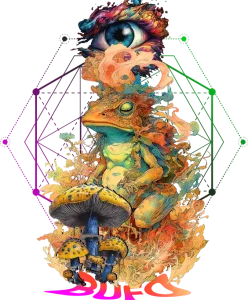
Similarly, various tribes across different regions utilized sacred mushrooms, such as Psilocybe species, in their rituals and shamanic practices. For example, the Mazatec people in Mexico have a long history of using psilocybin mushrooms, which they call “sacred children” or “little saints,” in their spiritual ceremonies for healing and divination purposes.
The indigenous cultures understood the profound nature of these entheogens and approached their use with reverence, respect, and ritualistic practices. The guidance of experienced elders and shamans ensured the safe and sacred integration of the psychedelic experience into the fabric of their societies.
Albert Hofmann and the Discovery of LSD The Bicycle Ride That Changed Everything: LSD’s Birth and Its Journey to the United States
In the mid-20th century, Swiss chemist Albert Hofmann stumbled upon a remarkable compound that would forever alter human perception: lysergic acid diethylamide (LSD). His accidental discovery and subsequent intentional experimentation with LSD revealed its immense potential for unlocking the mysteries of consciousness. As this newfound substance crossed the Atlantic, visionary figures in the United States, such as Timothy Leary and Richard Alpert, recognized its transformative nature and embarked on their own explorations.
Hofmann’s accidental exposure to LSD on April 19, 1943, during a bicycle ride home from his laboratory, marked the world’s first intentional LSD trip. This experience opened Hofmann’s eyes to the profound alterations of perception and consciousness that LSD induced.
In the following years, LSD found its way to the United States through the efforts of Sandoz Laboratories, the company where Hofmann worked. Sandoz distributed LSD to various research institutions, including Harvard University, where it caught the attention of psychologist Timothy Leary and his colleague Richard Alpert, both of whom were fascinated by the potential of this substance to catalyze personal growth and spiritual insights.
Timothy Leary, along with Richard Alpert (later known as Ram Dass), conducted groundbreaking experiments with LSD, exploring its potential to expand consciousness, dissolve ego boundaries, and catalyze profound spiritual experiences. They advocated for the responsible use of psychedelics as tools for personal and societal transformation, believing that the exploration of altered states of consciousness could lead to a more enlightened society.
The Psychedelic Renaissance: The 1960s Counterculture and Cultural Revolution Tune In, Turn On, Drop Out: Psychedelics as Catalysts for Personal and Societal Transformation
The 1960s witnessed a cultural revolution fueled by the widespread use of psychedelics. Timothy Leary, a Harvard psychologist, became a prominent advocate for LSD, encouraging individuals to challenge societal norms, embrace personal freedom, and explore expanded states of consciousness. The counterculture movement of this era, symbolized by events like the Woodstock Music Festival, heralded unity, love, and creative expression. It celebrated the profound potential of psychedelics as catalysts for personal growth and positive social change.
The counterculture movement of the 1960s embraced psychedelics as vehicles for personal and societal transformation. Artists, musicians, and writers drew inspiration from the psychedelic experience, creating works that challenged traditional conventions and celebrated the power of love, peace, and creative expression. Psychedelics became intertwined with the countercultural revolution, as individuals sought to break free from the constraints of a society they perceived as restrictive and disconnected.
However, the increasing popularity of psychedelics and concerns about their potential risks and societal impact led to a backlash from the government and conservative forces. Psychedelics, including LSD, were classified as Schedule I drugs in 1970, effectively criminalizing their possession and use, and severely limiting scientific research and therapeutic exploration for several decades.
The countercultural movement, fueled by psychedelics, eventually waned, and the United States entered a period of heightened drug prohibition and stigma surrounding psychedelics. However, the ideas of personal freedom, expanded consciousness, and questioning authority that emerged during this era continue to resonate and shape discussions surrounding psychedelics today.
The Doors of Perception: Psychedelics and Scientific Exploration From Mind Expansion to Medical Research: Embracing the Therapeutic Potential of Psychedelics
Parallel to the countercultural movement, scientists and researchers recognized the therapeutic potential of psychedelics. Pioneers like Humphry Osmond and Stanislav Grof conducted groundbreaking studies, exploring the use of psychedelics as tools for therapy and psychological healing. They believed in the profound ability of these substances to dissolve ingrained patterns of thinking and behavior, opening doors to self-discovery and spiritual growth. Despite initial promise, the criminalization of psychedelics hindered scientific progress for several decades.
Humphry Osmond, a British psychiatrist, coined the term “psychedelic” and conducted early research on LSD as a potential tool for therapy. He explored the use of LSD in treating alcoholism and believed that the substance had the potential to break down ingrained patterns of thinking and behavior.
Stanislav Grof, a Czech psychiatrist, utilized LSD as a therapeutic tool in his pioneering research on psychedelic-assisted therapy. His work focused on the use of psychedelics to facilitate psychological healing and spiritual growth, emphasizing the importance of set and setting, as well as the integration of psychedelic experiences into everyday life.
Despite the promising results and the potential of psychedelics in therapy, the Schedule I classification severely restricted scientific research and therapeutic exploration for several decades. However, recent years
Organizations like the Multidisciplinary Association for Psychedelic Studies (MAPS) and the Heffter Research Institute have played crucial roles in advocating for and facilitating research into the therapeutic potential of psychedelics. Their efforts have led to a growing body of evidence suggesting that psychedelics, such as MDMA (commonly referred to as “Ecstasy”) and psilocybin, hold promise in the treatment of mental health conditions like post-traumatic stress disorder (PTSD), depression, and anxiety disorders.
Numerous studies have demonstrated the potential of psychedelic-assisted therapy to catalyze transformative experiences, enhance emotional well-being, and foster personal growth. Research participants, under the guidance of trained professionals, have reported reduced symptoms of depression, anxiety, and addiction, as well as enhanced emotional resilience, spiritual experiences, and improved quality of life.
The resurgence of scientific interest in psychedelics has led to the relaxation of regulations and the acknowledgment of their therapeutic potential by regulatory bodies. In recent years, breakthrough research has paved the way for FDA-approved clinical trials and expanded access to psychedelic therapy for those in need.
A Call for Enlightened Perspectives: Advocating for Psychedelic Integration Embracing the Power of Psychedelics and Challenging the War on Drugs
The indiscriminate War on Drugs, initiated by President Richard Nixon in the 1970s, lumped psychedelics with harmful substances, stifling their potential for therapeutic use and exploration. However, a resurgence of interest in recent years has sparked a psychedelic renaissance. Organizations like MAPS and the Heffter Research Institute have championed scientific research, promoting the responsible use of psychedelics in therapy and personal growth. Their efforts, coupled with increasing public awareness, have paved the way for a more enlightened approach to psychedelics.
Advocates for psychedelic integration argue that a comprehensive and scientifically informed approach is necessary to maximize the benefits and minimize the risks associated with these substances. They stress the importance of proper education, harm reduction strategies, and the creation of safe, supportive environments for psychedelic experiences.
The medical and mental health communities are increasingly recognizing the potential of psychedelics and acknowledging their value in therapeutic settings. Legislative efforts are underway in several states to decriminalize or legalize psychedelics, opening up new avenues for research and exploration.
Moreover, the shift in public perception and acceptance of psychedelics has led to the emergence of underground therapists and facilitators who provide safe and supportive spaces for individuals to undergo guided psychedelic experiences. These practitioners adhere to ethical guidelines and seek to facilitate healing, personal growth, and spiritual exploration.
Conclusion:
The Psychedelic Awakening: Nurturing a Paradigm Shift in the United States
As we reflect upon the historical events and visionary figures that have shaped the psychedelic movement in the United States, it becomes evident that psychedelics offer a doorway to profound personal and societal transformation. Embracing their potential requires shedding outdated stigmas and adopting an enlightened approach that prioritizes education, harm reduction, and responsible use.
By recognizing the rich tapestry of psychedelic history and the positive impact they have had on countless individuals, we can foster a society that embraces the potential benefits of psychedelics while ensuring safe and responsible practices. Through scientific research, therapeutic integration, and cultural openness, we can cultivate an environment that supports the exploration of consciousness, personal growth, and the profound healing potential of psychedelics.
As the psychedelic renaissance gains momentum, it is essential to navigate these uncharted waters with care, respect, and reverence. By embracing an enlightened perspective, we can unlock the true potential of psychedelics to enrich our lives, expand our understanding, and facilitate a collective shift toward a more compassionate and awakened society.