by Raul Lopez | Aug 8, 2023 | blog
Introduction: Depression, a complex and debilitating mental health condition, affects millions of people worldwide. Traditional treatments often focus on pharmaceutical interventions and psychotherapy, but there is growing interest in alternative approaches. Among these alternatives, psilocybin-assisted therapy has emerged as a promising avenue for individuals struggling with depression. In this article, we will delve into the groundbreaking research and transformative potential of psilocybin in alleviating depression, shedding light on its mechanisms and the hope it offers to those seeking relief.
I. Understanding Depression: A Multifaceted Challenge A. The Scope of Depression
Depression is more than just fleeting sadness; it is a pervasive mental health disorder characterized by persistent low mood, lack of interest or pleasure, and a range of physical and cognitive symptoms.
B. Limitations of Conventional Treatments
While antidepressant medications and psychotherapy are widely used, they do not provide effective relief for everyone. Many individuals experience treatment-resistant depression or encounter undesirable side effects from medications.
II. The Resurgence of Psychedelic Research A. A New Approach to Mental Health
In recent years, a resurgence of interest in psychedelic compounds like psilocybin has sparked a reevaluation of their therapeutic potential. Psilocybin’s ability to induce profound altered states of consciousness has led to investigations into its effects on mental health conditions, including depression.
B. The Role of Psychedelic-Assisted Therapy
Psychedelic-assisted therapy involves the guided use of psychedelic substances in a therapeutic context. Research has shown that the combination of the psychedelic experience with therapeutic support can lead to breakthroughs in psychological healing.
III. How Psilocybin Works on the Brain A. Neural Plasticity and Neurogenesis
Psilocybin’s effects on the brain go beyond mere chemical interactions. Research suggests that it may promote neural plasticity and neurogenesis, the formation of new brain cells and connections. These changes are associated with resilience and adaptability in the face of stress and emotional challenges.
B. Rebooting the Brain
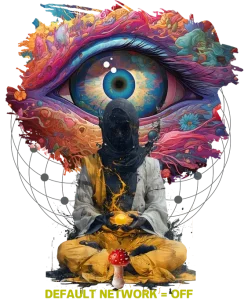
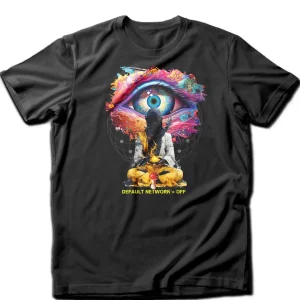
Depression often involves rigid thought patterns and negative cognitive loops. Psilocybin’s ability to temporarily disrupt the default mode network (DMN), a brain network associated with self-referential thoughts, allows individuals to break free from these repetitive patterns and gain new perspectives.
IV. Psilocybin-Assisted Therapy for Depression A. The Therapeutic Process
Psilocybin-assisted therapy is conducted in a carefully controlled setting with trained therapists. The individual ingests a predetermined dose of psilocybin and engages in therapy sessions designed to support and guide the experience.

B. Facilitating Emotional Processing
During the psychedelic experience, individuals often confront suppressed emotions, traumatic memories, and unresolved issues. With the support of a trained therapist, they can process and reframe these experiences, leading to emotional catharsis and resolution.
C. Altered Perceptions of Self
Many individuals who undergo psilocybin-assisted therapy report experiencing a dissolution of ego boundaries and a sense of interconnectedness. This altered state can lead to profound insights into one’s sense of self and place in the world.
V. Promising Clinical Trials and Results A. Yale University’s Research
Pioneering studies conducted by institutions like Yale University have demonstrated the potential of psilocybin-assisted therapy in reducing depression symptoms and promoting emotional well-being. Participants often experience significant improvements lasting long after the treatment sessions.
B. Sustained Effects
Unlike conventional antidepressants that require ongoing use, psilocybin-assisted therapy often leads to sustained improvements in mood and overall well-being even after a limited number of sessions.
VI. Addressing Treatment-Resistant Depression A. The Breakthrough for Treatment-Resistance
One of the most significant breakthroughs of psilocybin-assisted therapy is its effectiveness in treating individuals with treatment-resistant depression. Even those who have not responded to traditional treatments may find relief through this novel approach.
B. Exploring the Underlying Causes
Psilocybin-assisted therapy allows individuals to explore the underlying causes of their depression, including past traumas, unresolved emotions, and negative thought patterns. This depth of exploration can lead to profound healing and transformation.
VII. The Importance of Integration A. The Role of Integration
The transformative experiences induced by psilocybin-assisted therapy need to be integrated into everyday life. Integration involves reflecting on insights gained, implementing positive changes, and seeking ongoing therapeutic support.
B. Harnessing the Insights
The insights gained during the psychedelic experience can serve as tools for navigating life’s challenges and fostering personal growth. Integrating these insights into daily routines can contribute to sustained well-being.
VIII. Ethical Considerations and Future Possibilities A. Ethical Use and Research
As psilocybin-assisted therapy gains recognition, there is a need for responsible and ethical use. Research, safety protocols, and qualified therapists are essential components of this emerging field.
B. A Paradigm Shift in Mental Health
The potential of psilocybin-assisted therapy goes beyond depression. Research is expanding to explore its effects on anxiety, PTSD, addiction, and existential distress. A paradigm shift in mental health treatment is underway, with psychedelics playing a pivotal role.
IX. Conclusion The journey of psilocybin from ancient shamanic rituals to modern clinical trials is a testament to its profound potential in addressing depression. As our understanding of the brain, consciousness, and mental health deepens, psilocybin-assisted therapy offers new avenues of hope for individuals seeking relief from the heavy burden of depression.
While psilocybin-assisted therapy is not a panacea, its transformative effects on neural plasticity, emotional processing, and self-perception hold promise for a more holistic and personalized approach to mental health. As research continues and attitudes shift, the integration of psychedelics into mainstream mental health care has the potential to reshape the landscape of treatment and foster a more compassionate understanding of the human mind and its intricate complexities.

by Raul Lopez | Aug 8, 2023 | blog
Introduction: Psilocybin, a naturally occurring compound found in certain species of mushrooms, has captivated scientists, researchers, and enthusiasts alike for its profound effects on human consciousness. Often referred to as the “magic” in magic mushrooms, psilocybin has the ability to induce altered states of perception, introspection, and even mystical experiences. In this article, we will embark on a journey into the intricate world of psilocybin, exploring how this compound interacts with the human brain to produce its distinctive effects.
I. The Essence of Psilocybin: A Brief Overview A. Defining Psilocybin
Psilocybin is a naturally occurring tryptamine compound found in various species of mushrooms, commonly known as magic mushrooms or shrooms. It belongs to the psychedelic family of substances, known for their capacity to alter perception, cognition, and mood.
B. The Psychedelic Experience
When ingested, psilocybin is metabolized in the body and converted into its active form, psilocin. Psilocin interacts with serotonin receptors in the brain, particularly the 5-HT2A receptor, leading to the cascade of effects that characterize the psychedelic experience.
II. The Serotonin Connection: How Psilocin Interacts with the Brain A. Serotonin Receptors and Neurotransmission
Serotonin is a neurotransmitter that plays a crucial role in regulating mood, emotions, and various physiological processes. The 5-HT2A receptor is one of the key serotonin receptors in the brain.
B. Psilocin’s Affinity for the 5-HT2A Receptor
Psilocin’s molecular structure closely resembles that of serotonin, allowing it to bind to and activate the 5-HT2A receptor. This activation triggers a series of events that result in altered sensory perception, emotions, and cognitive processes.
III. The Ripple Effect: Changes in Neural Connectivity A. Disruption of Default Mode Network
The default mode network (DMN) is a network of brain regions associated with self-referential thoughts, introspection, and the sense of self. Psilocin’s action on the 5-HT2A receptor appears to temporarily disrupt the DMN, leading to a sense of ego dissolution and interconnectedness.
B. Enhanced Neural Plasticity
Research suggests that psilocin may promote neural plasticity, the brain’s ability to reorganize and form new connections. This could contribute to the restructuring of thought patterns and the openness to new perspectives often reported during the psychedelic experience.
IV. The Neurochemistry of Altered Perception A. Visual and Sensory Distortions
Psilocin’s interaction with serotonin receptors influences the processing of visual and sensory information. This can result in vivid visual hallucinations, alterations in color perception, and enhanced sensitivity to sounds and textures.
B. Emotional Processing
Psilocin’s effects on serotonin receptors also impact emotional processing. Some individuals report heightened emotional states, increased empathy, and the release of repressed emotions during the psychedelic experience.
V. Beyond the Brain: Integrating Body and Mind A. Mind-Body Connection
The psychedelic experience often blurs the boundaries between the mind and body. Psilocin’s effects on perception and cognition can lead to the perception of physical sensations as interconnected with emotional and psychological states.
B. Mystical and Spiritual Experiences
Psilocybin has been associated with profound mystical and spiritual experiences characterized by a sense of interconnectedness, unity, and transcendence. These experiences have been reported across cultures and spiritual traditions.
VI. The Duration and Afterglow of Psilocybin A. Duration of Effects
The duration of the psychedelic experience induced by psilocybin varies based on factors such as dosage, individual metabolism, and the specific species of mushrooms consumed. Effects typically last between 4 to 6 hours.
B. Afterglow and Integration
After the acute effects of psilocybin subside, many individuals report an “afterglow” period characterized by enhanced mood, increased creativity, and a sense of clarity. This period is often seen as an opportunity for introspection and integration of insights gained during the experience.
VII. The Multifaceted Impact of Set and Setting A. Importance of Set and Setting
The “set” (mindset, emotional state, intentions) and “setting” (physical and social environment) in which psilocybin is consumed significantly influence the nature of the psychedelic experience. A supportive and safe environment is essential for a positive outcome.
B. Therapeutic Potential
Research indicates that psilocybin-assisted therapy, conducted in a controlled and supportive setting, can have therapeutic benefits for various mental health conditions, including depression, anxiety, and PTSD.
VIII. Conclusion The magic of psilocybin lies in its profound ability to alter human consciousness, leading to experiences that are often described as transformative and insightful. As we continue to explore the intricate mechanisms of how psilocybin works, we gain a deeper appreciation for the complex interplay between brain chemistry, neural networks, and human perception.
Understanding psilocybin’s interaction with the brain’s serotonin receptors, its impact on neural connectivity, and the resulting changes in perception and emotions opens the door to new possibilities in mental health treatment and personal growth. As research into psychedelics evolves, a balanced and informed approach to psilocybin’s potential benefits and challenges will help shape a more comprehensive understanding of its place in human experience and well-being.

by Raul Lopez | Aug 8, 2023 | Uncategorized
Introduction: Magic mushrooms, renowned for their psychedelic effects and diverse range of species, have fascinated humans for centuries. Among the many questions that arise about these intriguing fungi, one stands out: Are magic mushrooms blue? In this article, we will delve into the science behind the elusive blue hue often associated with certain magic mushroom species, exploring the factors contributing to this phenomenon and its significance in the world of psychedelics.
I. The World of Magic Mushrooms: Diversity and Mystery A. The Allure of Psilocybin-Containing Mushrooms
Magic mushrooms, scientifically classified as Psilocybe species, contain the psychoactive compounds psilocybin and psilocin. These compounds induce altered states of consciousness, profound insights, and visual distortions.
B. The Quest for Identification
Identifying magic mushrooms involves observing various characteristics, including color, shape, size, gill structure, and spore print. These features are crucial for accurate species identification and understanding their potential effects.
II. The Mystery of Blue Magic Mushrooms A. Species with Blue Hues
Certain magic mushroom species, particularly Psilocybe cubensis varieties like “Blue Meanies,” are associated with a blue or bluish hue. This unique coloration often appears on different parts of the mushroom, including the cap, stem, and mycelium.
B. Factors Contributing to the Blue Color
- Psilocin Oxidation
The blue coloration in magic mushrooms is attributed to the oxidation of psilocin, one of the main active compounds. When psilocin comes into contact with oxygen or light, it undergoes chemical changes that lead to the formation of blue pigments.
- Structural Properties
The microscopic structures within the mushroom’s cells can also contribute to the perception of blue color. This phenomenon, known as structural coloration, results from the interaction of light with these cellular structures.
III. The Influence of Environment and Genetics A. Genetic Variability
Genetics play a significant role in determining the coloration of magic mushrooms. Different species have distinct genetic traits that contribute to their color and appearance.
B. Environmental Factors
Environmental conditions, such as humidity, light exposure, temperature, and substrate composition, can influence the intensity of the blue coloration in magic mushrooms. However, the extent to which environmental factors affect coloration varies among species.
IV. The Significance of Blue Magic Mushrooms A. Identification and Recognition
The blue coloration in magic mushrooms can aid in species identification, particularly for those familiar with the characteristic color patterns of different Psilocybe species.
B. Cultural and Folklore Significance
The blue hue of certain magic mushrooms has contributed to their cultural significance and associations with mystical experiences. In some cultures, blue-colored mushrooms have been revered for their purported spiritual and shamanic properties.
V. Variability and Uniqueness Among Species A. Not All Magic Mushrooms Are Blue
While some species of magic mushrooms exhibit a blue hue, it is essential to note that not all magic mushrooms display this coloration. Variability in color exists among species, and other factors, such as genetics and environment, can influence color expression.
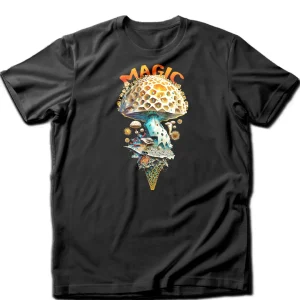
B. Appreciating the Diversity
The diverse array of colors found in magic mushrooms adds to their allure and mystique. Each species possesses distinct attributes that contribute to their overall appearance and unique visual appeal.
VI. Conclusion The question of whether magic mushrooms are blue is an intriguing one that highlights the complex interplay of genetics, environment, and chemical reactions within these remarkable fungi. While certain Psilocybe species, such as “Blue Meanies,” exhibit a distinct blue coloration, the phenomenon is not universal among all magic mushroom species.
Understanding the factors contributing to the blue coloration in magic mushrooms enhances our appreciation of their biodiversity and the intricate mechanisms at play in their growth. This knowledge also underscores the importance of accurate species identification for both scientific research and safe recreational use.
As research on magic mushrooms continues and our understanding of their properties deepens, the enigma of the blue magic mushroom adds to the allure of these fungi and invites us to explore the intricate beauty of the natural world.

by Raul Lopez | Aug 7, 2023 | blog
Introduction: Magic mushrooms, renowned for their psychoactive properties and cultural significance, are a type of fungi known for their ability to produce the hallucinogenic compounds psilocybin and psilocin. These fascinating mushrooms have sparked curiosity among enthusiasts and researchers alike, prompting questions about their natural habitat and cultivation. In this article, we will explore the potential of magic mushrooms growing on mulch and the factors that contribute to their growth, both in the wild and through cultivation methods.
I. The World of Magic Mushrooms: An Overview A. The Fascination with Psilocybin-Containing Mushrooms
Magic mushrooms belong to the genus Psilocybe, which includes various species containing psilocybin and psilocin. These compounds induce the psychedelic experience for which these mushrooms are well-known.
B. The Rich History of Magic Mushroom Use
Throughout history, different cultures have incorporated magic mushrooms into their rituals, ceremonies, and spiritual practices. Some indigenous communities continue to use these fungi for their profound insights and healing properties.
II. The Natural Habitat of Magic Mushrooms A. The Diversity of Magic Mushroom Species
Magic mushrooms thrive in diverse environments worldwide. Each species has its preferred habitat, ranging from grasslands and forests to tropical rainforests and even deserts.
B. Decaying Organic Matter: A Common Theme
A common factor among many magic mushroom species is their association with decaying organic matter, such as dead trees, rotting logs, and leaf litter. This relationship plays a vital role in their life cycle and the availability of nutrients.
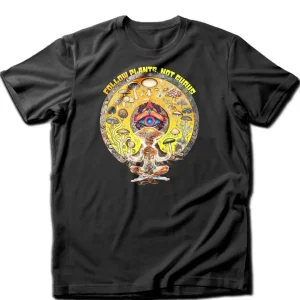
III. The Role of Mulch in Magic Mushroom Growth A. Understanding Mulch and Its Composition
Mulch refers to a layer of organic material spread over the soil surface to retain moisture, suppress weeds, and improve soil quality. It commonly consists of materials like wood chips, straw, leaves, and compost.
B. Conditions for Magic Mushroom Growth on Mulch
In some cases, magic mushrooms may grow on mulch due to the presence of suitable organic material that provides a nutrient-rich substrate. However, this occurrence is more likely with certain species and specific environmental conditions.
C. Common Magic Mushroom Species Found on Mulch
Some magic mushroom species have been observed growing on mulch or wood-based substrates, including Psilocybe cubensis, Psilocybe cyanescens, and Psilocybe azurescens.
IV. The Potential of Cultivating Magic Mushrooms on Mulch A. Indoor Cultivation Methods
Growing magic mushrooms indoors involves creating a controlled environment that mimics their natural habitat. Mulch-based substrates can be used in indoor cultivation, but specific techniques and attention to environmental conditions are necessary for success.
B. Outdoor Cultivation Techniques
Outdoor cultivation of magic mushrooms can also be achieved using mulch as a substrate. This method involves inoculating a mulch bed with mushroom spores or mycelium and providing suitable conditions for growth.
V. The Legality and Ethical Considerations of Magic Mushroom Cultivation A. Legal Status of Magic Mushrooms
The legality of cultivating magic mushrooms varies significantly from country to country and within regions. In many places, possession, cultivation, and distribution of psilocybin-containing mushrooms are considered illegal.
B. Ethical Considerations
In regions where magic mushroom cultivation is legal, ethical considerations should be taken into account. Responsible cultivation practices, respecting nature and ecosystems, and prioritizing safety are essential in any cultivation endeavor.
VI. Conclusion The question of whether magic mushrooms can grow on mulch is intriguing and highlights the diverse nature of fungi and their relationship with their environment. While some magic mushroom species may grow on mulch, their natural habitat encompasses a wide range of ecosystems, each with unique conditions and requirements.
Understanding the natural habitat of magic mushrooms can provide valuable insights into their cultivation, whether for personal use or research purposes. Responsible cultivation practices and ethical considerations are essential when exploring the cultivation of these fascinating fungi, keeping in mind the legal restrictions and potential risks associated with their use.
As research on magic mushrooms continues and attitudes toward psychedelics evolve, it is crucial to approach the topic with scientific rigor, respect for nature, and a balanced perspective on their potential benefits and risks. By cultivating an informed and respectful relationship with these fungi, we can further our understanding of their mysteries and foster a responsible and safe exploration of their unique properties.

by Raul Lopez | Aug 7, 2023 | blog
Introduction: Magic mushrooms, known for their psychoactive compound psilocybin, have a long history of use in various cultures for spiritual, religious, and healing purposes. In recent years, there has been a resurgence of interest in the therapeutic potential of psilocybin, raising the question: Are magic mushrooms good for you? In this article, we will explore the current state of research on psilocybin’s therapeutic benefits and potential risks. By understanding the science behind magic mushrooms, we can gain insight into their impact on mental health and overall well-being.
I. The Nature of Magic Mushrooms and Psilocybin A. What Are Magic Mushrooms?
Magic mushrooms are a type of fungi that naturally contain psilocybin and psilocin, the primary compounds responsible for their psychedelic effects. These mushrooms have been used for centuries in spiritual and shamanic practices due to their mind-altering properties.
B. The Psychedelic Experience
When ingested, psilocybin is metabolized into psilocin, which interacts with serotonin receptors in the brain. This interaction leads to altered perceptions, changes in mood, and an expanded state of consciousness commonly referred to as a “trip.” The effects of psilocybin can vary widely, from euphoria and spiritual insights to emotional processing and introspection.
II. The History of Psilocybin Research A. Early Studies and Cultural Significance
Psilocybin was first isolated and synthesized in the 1950s, leading to an era of research into its therapeutic potential. Some early studies explored its use in psychotherapy, particularly for anxiety and depression.
B. Setbacks and Legal Restrictions
Despite promising findings, the rise of the “War on Drugs” in the 1970s led to the criminalization of psychedelic substances, including psilocybin. This severely hindered further research into their effects and potential benefits.
III. The Resurgence of Interest and Research A. Contemporary Studies on Psilocybin
In recent years, there has been a resurgence of scientific interest in psilocybin. Researchers have been conducting controlled clinical trials to explore its therapeutic potential, particularly in treating mental health conditions.
B. Therapeutic Benefits of Psilocybin
- Treatment-Resistant Depression
One area of promising research is the use of psilocybin-assisted therapy for treatment-resistant depression. Studies have shown that a single dose of psilocybin, combined with psychotherapy, can lead to significant and sustained improvements in mood and quality of life for individuals with treatment-resistant depression.
- Anxiety and End-of-Life Distress
Psilocybin has also demonstrated potential in reducing anxiety and existential distress in individuals facing life-threatening illnesses. In carefully controlled settings, psilocybin-assisted therapy has helped patients find peace and acceptance in the face of mortality.
- Substance Use Disorders
Preliminary research indicates that psilocybin may hold promise in the treatment of substance use disorders, particularly for nicotine and alcohol addiction. Some studies have suggested that psilocybin-assisted therapy can lead to decreased cravings and increased motivation for abstinence.
IV. Understanding the Potential Risks and Precautions A. Safety Profile of Psilocybin
When used in controlled settings, psilocybin has a relatively low toxicity profile and is considered physically safe for healthy individuals. It does not pose a risk of physical dependence or overdose.
B. Psychological Vulnerability
While psilocybin may have therapeutic potential, it is not without risks, especially for those with a history of mental health conditions. Individuals with a predisposition to psychosis or certain psychiatric disorders should avoid psilocybin use.
C. Acute Psychological Effects
The psychedelic experience induced by psilocybin can be intense and emotionally charged. It may involve challenging emotional states and altered perceptions of reality. The set and setting, as well as the support provided during the experience, significantly influence the overall outcome.
V. Responsible Use and Integration A. Set and Setting
Responsible use of magic mushrooms involves careful consideration of “set and setting.” The individual’s mindset, emotions, and expectations, as well as the physical and social environment in which the experience occurs, play a crucial role in shaping the effects of psilocybin.
B. Integration and Aftercare
The integration process, which involves reflecting on and processing the insights gained during the psychedelic experience, is an essential part of psilocybin therapy. Integration sessions with a trained therapist can help individuals make sense of their experiences and apply the insights to their daily lives.
VI. Legal Status and Social Perception A. Changing Attitudes Toward Psychedelics
As research on psilocybin continues to yield promising results, attitudes toward psychedelics have started to shift. Many researchers and mental health professionals advocate for reevaluating the legal status of psilocybin and other psychedelics to facilitate further research and safe therapeutic use.
B. Decriminalization and Medicalization Efforts
In some regions, there have been efforts to decriminalize or medicalize the use of psilocybin for therapeutic purposes. These initiatives aim to create a more balanced and evidence-based approach to psychedelic substances.
VII. Conclusion The question of whether magic mushrooms are good for you is nuanced and multifaceted. Research on psilocybin’s therapeutic benefits, particularly in treating treatment-resistant depression, anxiety, and end-of-life distress, holds promise. However, responsible use and the careful consideration of individual vulnerabilities are essential to ensure positive outcomes and minimize potential risks.
As the stigma surrounding psychedelics diminishes, ongoing scientific research and responsible public discourse will be crucial in shaping future policies and practices related to the therapeutic use of psilocybin. Ultimately, the potential benefits of magic mushrooms lie in their ability to provide profound insights, foster personal growth, and facilitate therapeutic breakthroughs when used safely and responsibly in controlled settings.

by Raul Lopez | Aug 7, 2023 | blog
Introduction: Magic mushrooms, with their psychedelic properties and ancient cultural significance, have intrigued humans for centuries. However, their use and effects have also sparked controversy and concerns about their safety. Are magic mushrooms truly bad for you, or are they unfairly demonized? In this article, we will delve into the scientific research and prevailing beliefs surrounding magic mushrooms to provide a balanced understanding of their potential risks and benefits.
I. Understanding Magic Mushrooms and Psilocybin A. The Nature of Magic Mushrooms
Magic mushrooms, also known as shrooms, are a type of fungi that naturally contain psilocybin and psilocin, the compounds responsible for their hallucinogenic effects. They have been used in spiritual, religious, and therapeutic contexts for generations.
B. The Psychedelic Experience
When ingested, psilocybin is metabolized into psilocin, which interacts with serotonin receptors in the brain, leading to alterations in perception, mood, and cognition. The psychedelic experience associated with magic mushrooms is often described as profound and life-changing.
II. The Misunderstandings and Myths A. Historical Stigmatization
Magic mushrooms, like many other psychedelics, were stigmatized during the “War on Drugs” era, leading to widespread misconceptions about their effects. Inaccurate portrayals in media and popular culture have perpetuated negative beliefs.
B. Lack of Research in the Past
The scientific study of psychedelics, including magic mushrooms, was hindered for several decades due to legal restrictions. As a result, early studies were limited, leading to incomplete understandings of their potential risks and benefits.
III. The Current State of Research A. Modern Resurgence of Interest
In recent years, the stigma surrounding magic mushrooms has begun to subside, allowing researchers to conduct more rigorous and controlled studies on their effects. This resurgence of interest has shed new light on the potential therapeutic benefits of psilocybin.
B. Therapeutic Potential
Studies have shown promising results regarding the therapeutic potential of magic mushrooms, particularly in the treatment of depression, anxiety, PTSD, and substance use disorders. Psilocybin-assisted therapy has demonstrated positive outcomes in clinical settings.
IV. The Potential Risks and Precautions A. Context Matters: Set and Setting
The effects of magic mushrooms can be influenced by “set and setting” – the individual’s mindset, emotions, and the physical and social environment in which the experience occurs. A supportive and controlled setting is crucial for reducing potential risks.
B. Mental Health Vulnerability
While magic mushrooms are generally considered safe for healthy individuals, those with a history of psychiatric disorders may be more susceptible to experiencing adverse reactions. Individuals with a family history of mental health conditions should approach their use with caution.
C. Acute Psychological Effects
The acute effects of magic mushrooms can include altered perception, intense emotions, and temporary disorientation. For some individuals, these effects may be overwhelming or distressing.
V. Responsible Use and Informed Decisions A. Screening and Guidance
Prior to using magic mushrooms, individuals should be screened for underlying mental health conditions. Those considering their use should seek guidance from trained professionals or experienced users.
B. Legal Status and Safety
The legal status of magic mushrooms varies by country and region. Where they are illegal, possession and use carry legal consequences. Obtaining mushrooms from reputable sources is essential for safety.
VI. Conclusion While the historical stigma and myths surrounding magic mushrooms have contributed to negative perceptions, the current state of research suggests that they may have potential therapeutic benefits when used responsibly and under controlled conditions. However, like any substance, caution should be exercised, especially for individuals with a history of mental health conditions. As the scientific community continues to explore the effects of magic mushrooms, informed decisions and responsible use will play a vital role in promoting a balanced understanding of their impact on human health and well-being.

by Raul Lopez | Aug 7, 2023 | blog
The potential connection between magic mushrooms, which contain the psychoactive compound psilocybin, and psychiatric disorders, particularly schizophrenia, has been a topic of interest and concern among researchers and the public. While psilocybin has shown promise in therapeutic contexts, there are apprehensions about its impact on mental health, particularly whether it can cause or trigger schizophrenia. In this article, we will explore the current scientific understanding of the relationship between magic mushrooms and schizophrenia.
I. Understanding Magic Mushrooms and Psilocybin A. The Nature of Magic Mushrooms
Magic mushrooms are fungi that naturally contain psilocybin and psilocin, compounds responsible for their psychedelic effects. They have been used for centuries in various cultures for spiritual, religious, and medicinal purposes.
B. How Psilocybin Works in the Brain
When ingested, psilocybin is metabolized into psilocin, which interacts with serotonin receptors in the brain, leading to alterations in perception, mood, and consciousness. These profound changes in brain activity underlie the psychedelic experience associated with magic mushrooms.

II. Schizophrenia: Understanding the Mental Disorder A. Defining Schizophrenia
Schizophrenia is a chronic and severe mental disorder characterized by disruptions in thinking, emotions, perception, and behavior. It affects how individuals interpret reality and interact with the world around them. Symptoms may include hallucinations, delusions, disorganized thinking, and social withdrawal.
B. The Complex Nature of Schizophrenia
Schizophrenia is a complex condition with a multifaceted etiology, involving genetic, environmental, and neurobiological factors. The exact causes of schizophrenia remain incompletely understood, but it is believed to result from a combination of genetic vulnerability and environmental triggers.
III. The Research on Psilocybin and Schizophrenia A. Early Studies and Misinterpretations
Historically, there were concerns that the use of hallucinogens, including psilocybin, could contribute to the development of psychiatric disorders like schizophrenia. Early studies in the 1950s and 1960s suggested a potential link. However, these studies were conducted with limited scientific rigor and often lacked appropriate control groups.
B. Modern Studies and Insights
In recent years, there has been a resurgence of interest in studying the therapeutic potential of psilocybin, which has shed new light on its safety profile. Modern research indicates that acute exposure to psilocybin in controlled settings rarely leads to long-term psychiatric issues or psychosis.
C. Schizophrenia and Vulnerability
While psilocybin does not seem to cause schizophrenia, it is important to consider that individuals with a predisposition to psychiatric disorders, including schizophrenia, may be more vulnerable to experiencing adverse reactions to psychedelics. This vulnerability is often linked to genetics and family history.
IV. Responsible Use and Context Matters A. The Importance of Set and Setting
Responsible use of psilocybin requires careful consideration of “set and setting.” The individual’s mindset, emotional state, and expectations (“set”) and the physical and social environment in which the psychedelic experience occurs (“setting”) can significantly influence the outcomes.
B. Risks and Benefits
For individuals with a history of mental health conditions, including schizophrenia, the potential risks associated with psychedelic use should be weighed against the potential therapeutic benefits. In therapeutic settings, psilocybin is being studied as a treatment for various mental health disorders, including depression, anxiety, and PTSD.
V. Conclusion The current scientific evidence does not support the notion that magic mushrooms, or psilocybin, can cause schizophrenia. Rather, the etiology of schizophrenia is believed to involve complex interactions of genetic and environmental factors. Responsible and controlled use of psilocybin, particularly in therapeutic settings, may offer potential benefits for mental health, but caution is advised, especially for individuals with a history of psychiatric disorders. As research on psilocybin continues to evolve, a balanced and evidence-based approach to its use and potential implications is essential for fostering a safe and informed perspective on psychedelics.

by Raul Lopez | Aug 7, 2023 | blog
The use of magic mushrooms, which contain the psychoactive compound psilocybin, has been a subject of interest and debate for decades. While many individuals have reported positive and transformative experiences with psilocybin, there are also concerns about its potential impact on mental health. In this article, we will explore the relationship between magic mushrooms, psilocybin, and depression to shed light on the complexities of this topic.
I. Understanding Magic Mushrooms and Psilocybin A. What Are Magic Mushrooms?
Magic mushrooms, also known as shrooms, are a type of fungi that contain varying concentrations of psilocybin and psilocin, the compounds responsible for their psychoactive effects. These mushrooms come in different species and are often consumed for their mind-altering properties.
B. The Psilocybin Experience
When ingested, psilocybin is metabolized into psilocin, which interacts with serotonin receptors in the brain, leading to alterations in perception, mood, and consciousness. Users may experience vivid visual and auditory hallucinations, changes in time perception, and intense emotional experiences during a psilocybin trip.
II. The Connection Between Psilocybin and Mental Health A. The Therapeutic Potential of Psilocybin
In recent years, there has been a resurgence of interest in the therapeutic potential of psilocybin for mental health conditions. Studies have explored its use in treating depression, anxiety, post-traumatic stress disorder (PTSD), and other psychiatric disorders. Some research suggests that psilocybin-assisted therapy may offer a novel approach to addressing these conditions.
B. Positive Effects on Mood and Well-Being
Many individuals who have undergone psilocybin-assisted therapy or used magic mushrooms in a controlled and supportive setting report positive effects on mood and well-being. They describe experiences of profound insights, increased feelings of interconnectedness, and enhanced emotional processing. Some even attribute these experiences to long-lasting improvements in their mental health.
III. The Dark Side: Potential Risks and Challenges A. The Psychedelic Experience and Vulnerability
While some people find the psilocybin experience to be transformative and positive, others may encounter challenging or even adverse effects. The psychedelic experience can be intense and emotionally charged, potentially leading to feelings of anxiety, confusion, or vulnerability.
B. The Risk of Triggering Mental Health Issues
For individuals with a history of mental health conditions, including depression, there is a concern that the use of psilocybin or magic mushrooms could trigger or exacerbate symptoms. Those with a predisposition to psychosis or certain psychiatric disorders should exercise caution when considering psychedelic substances.
IV. The Role of Set and Setting A. The Importance of Set and Setting
The impact of psilocybin on mental health outcomes is closely linked to the concept of “set and setting.” “Set” refers to the individual’s mindset, expectations, and emotional state, while “setting” pertains to the physical and social environment in which the psychedelic experience occurs. A supportive and controlled setting, along with a positive mindset, can influence the nature of the experience.
B. Integration and Support
Integration and post-experience support are crucial components of responsible psilocybin use. Integration involves reflecting on and processing the insights gained during the psychedelic experience with the help of a trained professional or a support network. This process can contribute to more meaningful and lasting changes in mental well-being.
V. Conclusion The relationship between magic mushrooms, psilocybin, and mental health is complex and multifaceted. While some individuals report positive and transformative experiences with psilocybin, there are also potential risks, especially for those with a history of mental health conditions. Responsible use, in a supportive setting and with proper guidance, may offer therapeutic benefits, but caution is essential.
As research on psilocybin continues to advance, it is crucial to approach its use with respect, mindfulness, and a comprehensive understanding of individual differences and vulnerabilities. Ultimately, the impact of psilocybin on mental health is a topic that warrants further exploration and ongoing scientific investigation.

by Raul Lopez | Aug 7, 2023 | blog
Bufo alvarius | Stainless Steel Travel Mug, scientifically known as Bufo Alvarius, has a diverse and interesting diet that reflects its adaptability to its arid habitat. As an amphibian, its diet changes throughout its life stages, but overall, these toads are known for being opportunistic eaters. In this article, we will dive into the details of what Bufo Alvarius toads eat, how their diet evolves as they grow, and the hunting strategies they employ to find their meals.
I. Juvenile Toads: A Smaller Menu When Bufo Alvarius toads are in their juvenile stage, they have smaller bodies and, therefore, require a diet that matches their size and energy needs. These little toads primarily feast on tiny insects and other invertebrates. Common prey items for juvenile Colorado River toads include small ants, beetles, spiders, and caterpillars. Since they are still developing, they need the nutrients from these small prey to support their growth and maturation.
II. Adult Toads: A Varied Diet As Bufo Alvarius toads reach adulthood, their diet becomes more diverse, allowing them to capitalize on a wider range of food sources. Adult toads have larger bodies and are more adept at catching prey, enabling them to take on more significant challenges in their feeding habits.
A. Insects and Arthropods
In the wild, adult Bufo Alvarius toads continue to rely on insects and arthropods as a primary food source. They are known to consume various insects, such as grasshoppers, crickets, beetles, and moths. The toads use their sticky tongues to catch these speedy insects with impressive accuracy.
B. Small Vertebrates
Although insects form a significant portion of their diet, adult Colorado River toads are also known to consume small vertebrates opportunistically. This may include small lizards, frogs, and even other toads. When an opportunity arises, Bufo Alvarius toads won’t hesitate to indulge in a meatier meal.
C. Scavenging Behavior
In addition to actively hunting for prey, Bufo Alvarius toads also exhibit scavenging behavior. They are known to consume animal remains, carrion, and even fallen fruits. This scavenging behavior supplements their diet and ensures they make the most of available resources.
III. Hunting Strategies Bufo Alvarius toads are primarily nocturnal hunters, taking advantage of the cooler temperatures and reduced risk of predation. Their specialized eyes allow them to see well in low light conditions, giving them a distinct advantage during nighttime hunts.
When it comes to catching prey, Colorado River toads use a sit-and-wait strategy. They patiently sit and blend in with their surroundings, relying on their excellent camouflage to remain unnoticed by potential prey. When an insect or other small creature ventures close enough, the toad strikes with lightning speed, extending its sticky tongue to snatch its meal.
IV. Seasonal Variations As the seasons change, so does the availability of prey in the Bufo Alvarius toad’s habitat. During wet seasons, when insect populations are abundant, their diet may skew more towards insects. In contrast, during drier seasons, when prey is scarcer, they may rely more on opportunistic feeding and scavenging.
V. Conclusion The diet of the Colorado River toad, or Bufo Alvarius, is both fascinating and diverse, adapting to its life stages and the changing seasons. From devouring tiny insects as juveniles to hunting various invertebrates and even small vertebrates as adults, these remarkable toads exhibit impressive hunting strategies to ensure their survival in their arid habitat. Through their opportunistic eating habits and ability to adapt to changing food availability, Bufo Alvarius toads showcase their adaptability as fascinating amphibian predators.

by Raul Lopez | Aug 7, 2023 | blog
Introduction: The Bufo Alvarius toad, also known as the Colorado River toad, is a fascinating amphibian native to the arid regions of the southwestern United States and northern Mexico. With its stout body, warty skin, and ridge extending from its nose to its eyes, this toad boasts unique characteristics that have captivated nature enthusiasts. However, this remarkable toad faces environmental challenges that have raised concerns about its conservation status. In this article, we will delve into the current state of the Bufo Alvarius population, the threats it encounters, and the efforts being made to protect this species.
I. The Bufo Alvarius Toad: A Unique Amphibian A. Taxonomy and Appearance
The Bufo Alvarius toad belongs to the Bufonidae family and is scientifically classified as Incilius alvarius. Its appearance, with warts covering its skin and a ridge from nose to eyes, makes it easily distinguishable among other toads.
B. Habitat and Distribution
Bufo Alvarius toads prefer the arid environments near streams and washes, commonly found in the Sonoran Desert and surrounding regions. Their habitat stretches across parts of Arizona, California, New Mexico, and northwestern Mexico.
II. Environmental Threats to Bufo Alvarius A. Habitat Loss and Fragmentation
One of the major challenges facing the Bufo Alvarius toad is the loss and fragmentation of its natural habitat. Urbanization and agricultural expansion are encroaching upon their homes, reducing suitable areas for breeding and feeding.

B. Pollution and Climate Change
Pollution, particularly pesticides and chemicals, poses a significant threat to the Bufo Alvarius toad’s survival. Contaminated water sources can harm their health and disrupt their reproduction. Additionally, the impact of climate change, such as altered weather patterns and increased temperatures, further stresses their habitat.
C. Overcollection and Illegal Trade
The popularity of the Bufo Alvarius toad, driven by its psychoactive secretion, 5-Methoxy-N,N-Dimethyltryptamine (5-MeO-DMT), has resulted in overcollection from the wild. Unregulated trade and capture of these toads can lead to population declines and negatively impact their ecosystem.
III. Conservation Efforts and Status A. Legal Protections
To address the threats faced by Bufo Alvarius toads, several regions have taken protective measures. They are considered protected species in various states of the United States and Mexico. These legal protections prohibit their capture, possession, and trade.
B. Conservation Initiatives
Numerous organizations and researchers are actively engaged in conservation efforts to safeguard the Bufo Alvarius toad population. These initiatives focus on habitat restoration, education, and raising awareness about the importance of preserving this unique amphibian species.
C. Captive Breeding Programs
Captive breeding programs have been established to help alleviate the impact of overcollection from the wild. By breeding Bufo Alvarius toads in controlled environments, conservationists aim to support their population and reduce pressure on natural habitats.
IV. Continued Monitoring and Research A. Population Monitoring
Monitoring the population of Bufo Alvarius toads is essential for understanding their status and trends over time. Conservationists collect data on population size, distribution, and reproductive success to inform conservation strategies.
B. Ecological Studies
Scientific research on the ecological interactions between Bufo Alvarius toads and their habitat helps identify the key factors influencing their survival. Understanding these relationships is crucial for implementing effective conservation measures.
V. Conclusion The Bufo Alvarius toad, with its distinctive appearance and psychoactive secretion, holds a special place in the world of amphibians. However, it faces environmental challenges that put its survival at risk. Fortunately, conservation efforts and legal protections are underway to protect these unique creatures.
By supporting these initiatives and raising awareness about the threats they face, we can play a vital role in safeguarding the future of the Bufo Alvarius toad. Through continued research and responsible conservation practices, we can ensure that this remarkable amphibian continues to thrive in its natural habitat for generations to come.