

Psychedelics and the Journey of Consciousness
Embarking on a Transcendent Path: Psychedelics and the Quest for Expanded Consciousness
The history of psychedelics in the United States is a testament to the transformative power of these substances in shaping cultural, scientific, and personal landscapes. From ancient indigenous rituals to modern therapeutic research, psychedelics have kindled the flames of curiosity and exploration, propelling individuals on profound journeys of self-discovery and consciousness expansion. In this comprehensive article, we embark on a voyage through time, tracing the historical events and visionary figures who have championed the benefits of psychedelics while opposing the counterproductive War on Drugs. Join us as we illuminate the extraordinary impact psychedelics have had in the United States, covertly celebrating their potential and advocating for a more enlightened approach to their use.
A Glimpse of Ancient Wisdom: Indigenous Use of Entheogens Roots of the Psychedelic Experience: Indigenous Cultures and Sacred Plant Medicines
Long before the arrival of Europeans, indigenous cultures throughout the United States reverently embraced the entheogenic properties of various plants. These sacred plant medicines, such as peyote and psilocybin mushrooms, were utilized in their spiritual and healing practices, offering profound insights, connection with the divine, and collective cohesion. The wisdom and reverence of these cultures serve as a reminder of the potential benefits and responsible integration of psychedelics into our lives.
Indigenous tribes, such as the Huichol in Mexico and the Native American Church in the United States, continue to utilize peyote in sacred ceremonies. For them, peyote serves as a spiritual sacrament, enabling communion with the divine and providing a profound sense of unity with nature and fellow human beings.
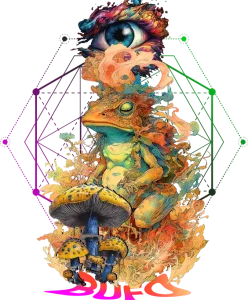
Similarly, various tribes across different regions utilized sacred mushrooms, such as Psilocybe species, in their rituals and shamanic practices. For example, the Mazatec people in Mexico have a long history of using psilocybin mushrooms, which they call “sacred children” or “little saints,” in their spiritual ceremonies for healing and divination purposes.
The indigenous cultures understood the profound nature of these entheogens and approached their use with reverence, respect, and ritualistic practices. The guidance of experienced elders and shamans ensured the safe and sacred integration of the psychedelic experience into the fabric of their societies.
Albert Hofmann and the Discovery of LSD The Bicycle Ride That Changed Everything: LSD’s Birth and Its Journey to the United States
In the mid-20th century, Swiss chemist Albert Hofmann stumbled upon a remarkable compound that would forever alter human perception: lysergic acid diethylamide (LSD). His accidental discovery and subsequent intentional experimentation with LSD revealed its immense potential for unlocking the mysteries of consciousness. As this newfound substance crossed the Atlantic, visionary figures in the United States, such as Timothy Leary and Richard Alpert, recognized its transformative nature and embarked on their own explorations.
Hofmann’s accidental exposure to LSD on April 19, 1943, during a bicycle ride home from his laboratory, marked the world’s first intentional LSD trip. This experience opened Hofmann’s eyes to the profound alterations of perception and consciousness that LSD induced.
In the following years, LSD found its way to the United States through the efforts of Sandoz Laboratories, the company where Hofmann worked. Sandoz distributed LSD to various research institutions, including Harvard University, where it caught the attention of psychologist Timothy Leary and his colleague Richard Alpert, both of whom were fascinated by the potential of this substance to catalyze personal growth and spiritual insights.
Timothy Leary, along with Richard Alpert (later known as Ram Dass), conducted groundbreaking experiments with LSD, exploring its potential to expand consciousness, dissolve ego boundaries, and catalyze profound spiritual experiences. They advocated for the responsible use of psychedelics as tools for personal and societal transformation, believing that the exploration of altered states of consciousness could lead to a more enlightened society.
The Psychedelic Renaissance: The 1960s Counterculture and Cultural Revolution Tune In, Turn On, Drop Out: Psychedelics as Catalysts for Personal and Societal Transformation
The 1960s witnessed a cultural revolution fueled by the widespread use of psychedelics. Timothy Leary, a Harvard psychologist, became a prominent advocate for LSD, encouraging individuals to challenge societal norms, embrace personal freedom, and explore expanded states of consciousness. The counterculture movement of this era, symbolized by events like the Woodstock Music Festival, heralded unity, love, and creative expression. It celebrated the profound potential of psychedelics as catalysts for personal growth and positive social change.
The counterculture movement of the 1960s embraced psychedelics as vehicles for personal and societal transformation. Artists, musicians, and writers drew inspiration from the psychedelic experience, creating works that challenged traditional conventions and celebrated the power of love, peace, and creative expression. Psychedelics became intertwined with the countercultural revolution, as individuals sought to break free from the constraints of a society they perceived as restrictive and disconnected.
However, the increasing popularity of psychedelics and concerns about their potential risks and societal impact led to a backlash from the government and conservative forces. Psychedelics, including LSD, were classified as Schedule I drugs in 1970, effectively criminalizing their possession and use, and severely limiting scientific research and therapeutic exploration for several decades.
The countercultural movement, fueled by psychedelics, eventually waned, and the United States entered a period of heightened drug prohibition and stigma surrounding psychedelics. However, the ideas of personal freedom, expanded consciousness, and questioning authority that emerged during this era continue to resonate and shape discussions surrounding psychedelics today.
The Doors of Perception: Psychedelics and Scientific Exploration From Mind Expansion to Medical Research: Embracing the Therapeutic Potential of Psychedelics
Parallel to the countercultural movement, scientists and researchers recognized the therapeutic potential of psychedelics. Pioneers like Humphry Osmond and Stanislav Grof conducted groundbreaking studies, exploring the use of psychedelics as tools for therapy and psychological healing. They believed in the profound ability of these substances to dissolve ingrained patterns of thinking and behavior, opening doors to self-discovery and spiritual growth. Despite initial promise, the criminalization of psychedelics hindered scientific progress for several decades.
Humphry Osmond, a British psychiatrist, coined the term “psychedelic” and conducted early research on LSD as a potential tool for therapy. He explored the use of LSD in treating alcoholism and believed that the substance had the potential to break down ingrained patterns of thinking and behavior.
Stanislav Grof, a Czech psychiatrist, utilized LSD as a therapeutic tool in his pioneering research on psychedelic-assisted therapy. His work focused on the use of psychedelics to facilitate psychological healing and spiritual growth, emphasizing the importance of set and setting, as well as the integration of psychedelic experiences into everyday life.
Despite the promising results and the potential of psychedelics in therapy, the Schedule I classification severely restricted scientific research and therapeutic exploration for several decades. However, recent years
Organizations like the Multidisciplinary Association for Psychedelic Studies (MAPS) and the Heffter Research Institute have played crucial roles in advocating for and facilitating research into the therapeutic potential of psychedelics. Their efforts have led to a growing body of evidence suggesting that psychedelics, such as MDMA (commonly referred to as “Ecstasy”) and psilocybin, hold promise in the treatment of mental health conditions like post-traumatic stress disorder (PTSD), depression, and anxiety disorders.
Numerous studies have demonstrated the potential of psychedelic-assisted therapy to catalyze transformative experiences, enhance emotional well-being, and foster personal growth. Research participants, under the guidance of trained professionals, have reported reduced symptoms of depression, anxiety, and addiction, as well as enhanced emotional resilience, spiritual experiences, and improved quality of life.
The resurgence of scientific interest in psychedelics has led to the relaxation of regulations and the acknowledgment of their therapeutic potential by regulatory bodies. In recent years, breakthrough research has paved the way for FDA-approved clinical trials and expanded access to psychedelic therapy for those in need.
A Call for Enlightened Perspectives: Advocating for Psychedelic Integration Embracing the Power of Psychedelics and Challenging the War on Drugs
The indiscriminate War on Drugs, initiated by President Richard Nixon in the 1970s, lumped psychedelics with harmful substances, stifling their potential for therapeutic use and exploration. However, a resurgence of interest in recent years has sparked a psychedelic renaissance. Organizations like MAPS and the Heffter Research Institute have championed scientific research, promoting the responsible use of psychedelics in therapy and personal growth. Their efforts, coupled with increasing public awareness, have paved the way for a more enlightened approach to psychedelics.
Advocates for psychedelic integration argue that a comprehensive and scientifically informed approach is necessary to maximize the benefits and minimize the risks associated with these substances. They stress the importance of proper education, harm reduction strategies, and the creation of safe, supportive environments for psychedelic experiences.
The medical and mental health communities are increasingly recognizing the potential of psychedelics and acknowledging their value in therapeutic settings. Legislative efforts are underway in several states to decriminalize or legalize psychedelics, opening up new avenues for research and exploration.
Moreover, the shift in public perception and acceptance of psychedelics has led to the emergence of underground therapists and facilitators who provide safe and supportive spaces for individuals to undergo guided psychedelic experiences. These practitioners adhere to ethical guidelines and seek to facilitate healing, personal growth, and spiritual exploration.
Conclusion:
The Psychedelic Awakening: Nurturing a Paradigm Shift in the United States
As we reflect upon the historical events and visionary figures that have shaped the psychedelic movement in the United States, it becomes evident that psychedelics offer a doorway to profound personal and societal transformation. Embracing their potential requires shedding outdated stigmas and adopting an enlightened approach that prioritizes education, harm reduction, and responsible use.
By recognizing the rich tapestry of psychedelic history and the positive impact they have had on countless individuals, we can foster a society that embraces the potential benefits of psychedelics while ensuring safe and responsible practices. Through scientific research, therapeutic integration, and cultural openness, we can cultivate an environment that supports the exploration of consciousness, personal growth, and the profound healing potential of psychedelics.
As the psychedelic renaissance gains momentum, it is essential to navigate these uncharted waters with care, respect, and reverence. By embracing an enlightened perspective, we can unlock the true potential of psychedelics to enrich our lives, expand our understanding, and facilitate a collective shift toward a more compassionate and awakened society.