The Magic of a Social Dose of Psilocybin

The Magic of a Social Dose of Psilocybin

Psychedelics have long been revered for their profound effects on consciousness, offering transformative experiences that delve into the realms of the mind and spirit. Among these, psilocybin, the active compound in magic mushrooms, stands out for its ability to foster deep connections and social bonds. In recent years, the concept of a “social dose” of psilocybin has gained attention, highlighting its potential to enhance social interactions and emotional connections. Let’s dive into the magic of a social dose of psilocybin and explore how it can transform our relationships and experiences.

Understanding Psilocybin and Its Effects

Psilocybin is a naturally occurring psychedelic compound found in over 200 species of mushrooms, commonly referred to as “magic mushrooms.” For centuries, indigenous peoples in various parts of the world, particularly in South America, have used these mushrooms in spiritual and healing rituals. The effects of psilocybin are primarily mediated through its interaction with serotonin receptors in the brain, particularly the 5-HT2A receptor. This interaction leads to altered perception, enhanced sensory experiences, and changes in mood and cognition.

When ingested, psilocybin is converted into psilocin, which crosses the blood-brain barrier and triggers psychedelic effects. These effects can range from vivid visual and auditory hallucinations to profound emotional and introspective experiences. While high doses of psilocybin are often associated with intense, mystical experiences, lower doses, known as “social doses,” can create a more subtle, yet profoundly enriching experience.
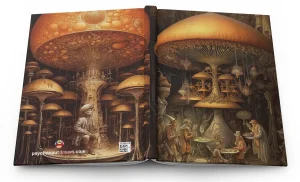
A hardcover journal featuring a colorful, Victorian-inspired magic mushroom design.

What is a Social Dose of Psilocybin?

A social dose of psilocybin typically ranges from 0.5 to 2 grams of dried mushrooms. This dose is lower than what is usually taken for a full-blown psychedelic trip, which can range from 3 to 5 grams or more. The purpose of a social dose is to achieve a mild to moderate psychedelic experience that enhances social interactions without overwhelming the user.

At this dosage, psilocybin can amplify sensory perceptions, increase empathy, and promote a sense of connection and openness. Users often report feeling more present, engaged, and emotionally connected with others. The experience can enhance conversations, deepen friendships, and foster a sense of communal harmony.

The Science Behind Social Dosing

The concept of social dosing aligns with the idea of “set and setting,” a crucial aspect of psychedelic experiences. “Set” refers to the mindset of the individual, while “setting” refers to the physical and social environment. A positive set and setting can significantly influence the outcome of a psychedelic experience, making it more enjoyable and transformative.

Psilocybin’s effects on the brain also support its use in social settings. Studies have shown that psilocybin can decrease activity in the default mode network (DMN), a network of brain regions associated with self-referential thinking and the maintenance of the ego. By quieting the DMN, psilocybin reduces the influence of the ego, allowing individuals to connect more deeply with others and the world around them.

Additionally, psilocybin increases the brain’s neuroplasticity, promoting the formation of new neural connections. This heightened plasticity can facilitate more open and flexible thinking, enhancing communication and empathy during social interactions. The combination of reduced ego influence and increased neuroplasticity creates an ideal state for meaningful and harmonious social experiences.

Enhancing Social Bonds and Emotional Connections

One of the most compelling aspects of a social dose of psilocybin is its ability to enhance social bonds and emotional connections. Users often report feeling a heightened sense of empathy and understanding, making it easier to connect with others on a deeper level. This enhanced empathy can lead to more authentic and vulnerable conversations, fostering trust and intimacy in relationships.

Psilocybin’s ability to enhance sensory perceptions also plays a role in social interactions. Colors may appear more vibrant, music can feel more immersive, and touch can become more meaningful. These heightened sensory experiences can create a shared sense of wonder and appreciation, strengthening the bond between individuals.

In group settings, a social dose of psilocybin can promote a sense of communal harmony. Group activities such as listening to music, dancing, or simply sitting around a campfire can become deeply enriching experiences. The shared sense of connection and presence can create lasting memories and strengthen friendships.

Therapeutic Applications and Research

The therapeutic potential of psilocybin extends beyond its recreational use. Research has shown that psilocybin can be a powerful tool for treating various mental health conditions, including depression, anxiety, PTSD, and addiction. The ability of psilocybin to enhance social connections and emotional openness makes it particularly valuable in therapeutic settings.

In therapeutic contexts, psilocybin-assisted therapy often involves guided sessions with a trained therapist. These sessions can help individuals confront and process difficult emotions, gain insights into their behavior and thought patterns, and develop healthier ways of relating to themselves and others. The therapeutic effects of psilocybin can be profound, offering relief from conditions that are resistant to conventional treatments.

The Multidisciplinary Association for Psychedelic Studies (MAPS) and other research organizations are leading efforts to study the therapeutic potential of psilocybin. Clinical trials have demonstrated promising results, with participants reporting significant improvements in their mental health and well-being. As research continues, psilocybin could become an accepted and valuable tool in mental health treatment.

Practical Tips for a Social Psilocybin Experience

For those interested in exploring the magic of a social dose of psilocybin, here are some practical tips to ensure a safe and enjoyable experience:

  1. Start Low and Go Slow: If you’re new to psilocybin, start with a lower dose to gauge your sensitivity and response. You can always take more if needed, but it’s best to start with caution.
  2. Choose the Right Setting: Select a comfortable and safe environment where you feel relaxed and at ease. A familiar setting with trusted friends can enhance the experience.
  3. Set Clear Intentions: Reflect on what you hope to achieve from the experience. Setting clear intentions can help guide the experience and create a more meaningful outcome.
  4. Stay Hydrated and Nourished: Drink plenty of water and have light snacks available. Psilocybin can alter your perception of time, so it’s important to stay hydrated and nourished.
  5. Have a Trip Sitter: If you’re new to psilocybin or feel uncertain, consider having a sober trip sitter. A trip sitter can provide support and reassurance, ensuring a safe and positive experience.
  6. Embrace the Moment: Allow yourself to be present and fully engaged in the experience. Let go of expectations and enjoy the enhanced connections and sensory perceptions.

Reflecting on the Experience

After a social psilocybin experience, take time to reflect on the insights and connections gained. Journaling, meditation, and discussions with friends can help integrate the experience into your daily life. The heightened sense of empathy and connection can have lasting effects, improving your relationships and overall well-being.

Conclusion

The magic of a social dose of psilocybin lies in its ability to enhance social interactions, deepen emotional connections, and promote a sense of communal harmony. By reducing the influence of the ego and increasing neuroplasticity, psilocybin creates an ideal state for meaningful and transformative social experiences.

As research continues to explore the therapeutic potential of psilocybin, its applications in mental health treatment are becoming increasingly evident. From treating depression and anxiety to fostering authentic social connections, psilocybin offers a powerful tool for healing and personal growth.

For those interested in exploring the benefits of a social dose of psilocybin, it’s important to approach the experience with caution, respect, and clear intentions. By doing so, you can unlock the magic of psilocybin and create enriching and memorable social experiences.

In the ever-evolving world of psychedelics, the concept of a social dose of psilocybin is a reminder of the profound ways in which these substances can enhance our lives. Whether through deepening friendships, fostering empathy, or promoting mental health, psilocybin continues to reveal its transformative potential.

Short Description:
Explore the magic of a social dose of psilocybin and discover how this powerful psychedelic can enhance social interactions, deepen emotional connections, and promote communal harmony. Learn practical tips for a safe and enriching experience, and reflect on the therapeutic potential of psilocybin in mental health treatment.

Zebrafish and Psilocybin: The Latest Stress-Busting Duo

Zebrafish and Psilocybin: The Latest Stress-Busting Duo

Did you ever think you’d see the day when zebrafish and magic mushrooms would team up? Well, that day is here. Recent studies have shown that dosing zebrafish with psilocybin, the active compound in magic mushrooms, helps them cope better with stress. Yep, you read that right—tiny fish and a bit of shroom magic are making waves in the world of stress research.

The Lowdown on Psilocybin

First off, what’s psilocybin? It’s the psychedelic compound found in over 200 species of mushrooms. Humans have used it for centuries in spiritual and therapeutic contexts, and lately, it’s been making a comeback in scientific studies. Researchers are finding that it could help with everything from depression to PTSD.

Psilocybin works by interacting with serotonin receptors in the brain, particularly the 5-HT2A receptor. This interaction leads to altered perception, mood, and cognition. But beyond the well-known “trippy” effects, psilocybin has been shown to have profound impacts on mental health, promoting neural plasticity and potentially rewiring the brain to overcome negative thought patterns and behaviors.

Why Zebrafish?

You might wonder, why zebrafish? Well, these little guys are actually a big deal in scientific research. They’re small, easy to keep in large numbers, and their biological systems share a lot of similarities with humans. Plus, they’re transparent, so scientists can literally see what’s going on inside them. It’s like having a tiny, see-through lab assistant.

Zebrafish have become a popular model organism in neuroscience and pharmacology due to their genetic similarities to humans. About 70% of human genes are found in zebrafish, and they share many of the same neurotransmitter systems. This makes them an excellent proxy for studying human diseases and potential treatments.

psychonaut tripping

The Study: Fish on Shrooms

Researchers decided to see if psilocybin could help zebrafish handle stress better. They exposed the fish to a stressful situation—poor zebrafish!—and then gave them a dose of psilocybin. The results? The fish that got the psilocybin were way more chill compared to those that didn’t. They swam around more calmly and showed fewer signs of stress.

The specifics of the study are quite fascinating. The researchers used a method called the novel tank diving test, which is a standard way to measure anxiety in zebrafish. Normally, when zebrafish are placed in a new tank, they initially stay at the bottom, a behavior that indicates anxiety. Over time, as they become more comfortable, they start to explore the upper regions of the tank. The zebrafish dosed with psilocybin began exploring the tank more quickly than the control group, indicating reduced anxiety levels.

What Does This Mean for Us?

So, what’s the takeaway for us land-dwellers? Well, if psilocybin can help zebrafish deal with stress, it might just have similar effects on humans. This study adds to the growing body of research suggesting that psilocybin could be a game-changer in how we treat stress and related disorders.

Psilocybin is already being studied in clinical trials for its effects on depression, anxiety, PTSD, and even addiction. The results have been promising, with many participants reporting significant improvements in their symptoms after just one or two doses. The findings from the zebrafish study provide further evidence that psilocybin has a broad range of potential therapeutic applications.

A Step Closer to Stress Solutions

This research is a big step forward. If tiny fish can teach us anything, it’s that there’s a lot more to learn about how psychedelics can benefit mental health. With more studies, we could see psilocybin becoming a mainstream treatment for stress and anxiety, helping people lead calmer, happier lives.

One of the most exciting aspects of psilocybin research is its potential to treat conditions that are resistant to conventional therapies. Many people with depression or PTSD do not respond to traditional medications, but psilocybin offers a new approach by targeting the underlying neural circuitry in a different way. By promoting neural plasticity and breaking down rigid thought patterns, psilocybin could provide relief where other treatments have failed.

Diving Deeper: The Science Behind Psilocybin and Stress

To understand why psilocybin might help with stress, it’s important to look at the brain’s response to stress. Chronic stress can lead to a host of mental health issues, including anxiety and depression. Stress activates the hypothalamic-pituitary-adrenal (HPA) axis, leading to the release of cortisol, the body’s primary stress hormone. While cortisol is essential for responding to immediate threats, chronic elevation can harm the brain, particularly areas involved in mood regulation like the hippocampus and prefrontal cortex.

Psilocybin and other psychedelics appear to counteract these effects by promoting neurogenesis (the growth of new neurons) and enhancing synaptic plasticity. This means the brain can form new connections and adapt more readily to new information and experiences. By reducing the brain’s rigid response to stress, psilocybin could help reset the neural pathways associated with chronic stress and anxiety.

The Role of the Default Mode Network (DMN)

Another key area of interest in psilocybin research is its effect on the default mode network (DMN). The DMN is a network of brain regions that are active when the mind is at rest and engaged in self-referential thinking, such as daydreaming, reminiscing, or worrying about the future. Overactivity in the DMN is associated with rumination and negative thought patterns seen in depression and anxiety.

Studies have shown that psilocybin reduces activity in the DMN, leading to a state of “ego dissolution.” This reduction in self-focused thinking allows individuals to break free from habitual thought patterns and gain new perspectives on their experiences and emotions. The zebrafish study hints that similar mechanisms might be at play in these tiny aquatic models, providing further evidence of psilocybin’s potential to reshape mental health treatment.

Psilocybin in the Wild: Natural Occurrences and Traditional Uses

Psilocybin is not just a lab-manufactured substance; it occurs naturally in over 200 species of mushrooms, commonly referred to as “magic mushrooms.” These mushrooms have been used for centuries in various cultures for spiritual and medicinal purposes. Indigenous peoples in South America, for example, have used psilocybin mushrooms in traditional ceremonies to connect with the spiritual world, gain insights, and heal from trauma.

The Mazatec people of Mexico are well-known for their use of psilocybin mushrooms in healing ceremonies. These rituals are conducted by shamans, who guide participants through their psychedelic journeys, often accompanied by chanting, music, and other traditional practices. The therapeutic use of psilocybin in these contexts highlights its potential for healing and personal growth.

Modern Psychedelic Research: A Revival of Interest

The study of psilocybin and other psychedelics experienced a significant revival in recent years, following a period of stigmatization and legal restrictions that began in the 1970s. Early research in the 1950s and 60s showed promise, but the cultural and political backlash against psychedelics halted much of this work. Now, with renewed interest and more advanced scientific tools, researchers are once again exploring the potential of these substances.

Institutions like Johns Hopkins University, Imperial College London, and the Multidisciplinary Association for Psychedelic Studies (MAPS) are leading the charge, conducting rigorous studies on the effects of psilocybin. Their work has helped to destigmatize psychedelics and demonstrate their potential benefits for mental health.

The Therapeutic Potential of Psilocybin

The therapeutic applications of psilocybin are vast. In addition to its potential for treating stress and anxiety, psilocybin is being studied for its effects on:

  • Depression: Several studies have shown that psilocybin can provide rapid and sustained relief from depression, even in individuals who have not responded to other treatments. The effects can last for months after a single session, suggesting that psilocybin helps to reset the brain’s mood regulation systems.
  • PTSD: Psilocybin’s ability to reduce fear and promote emotional processing makes it a promising treatment for PTSD. By revisiting traumatic memories in a safe and supportive context, individuals can process and integrate these experiences, reducing their psychological impact.
  • Addiction: Psilocybin has shown potential in treating various forms of addiction, including alcoholism and smoking. By promoting insights into the root causes of addictive behaviors and enhancing motivation for change, psilocybin can help individuals break free from substance dependence.
  • End-of-Life Anxiety: For individuals facing terminal illnesses, psilocybin can alleviate the anxiety and existential distress associated with dying. Studies have shown that psilocybin can provide profound spiritual experiences that help individuals come to terms with their mortality and find peace.

Psilocybin and the Future of Mental Health Treatment

As research progresses, psilocybin could become a mainstream treatment for various mental health conditions. The potential benefits are immense, but it is crucial to approach this new frontier with caution and respect. Ensuring safe and controlled use, guided by trained professionals, is essential for maximizing the benefits and minimizing the risks.

The Importance of Set and Setting

One of the key lessons from both traditional use and modern research is the importance of “set and setting.” This concept refers to the mindset of the individual (set) and the physical and social environment in which the psychedelic experience takes place (setting). A positive set and setting can significantly enhance the therapeutic benefits of psilocybin, while a negative or uncontrolled environment can lead to challenging experiences.

In traditional shamanic rituals, the set and setting are carefully curated by experienced practitioners to create a safe and supportive space. Modern clinical studies also emphasize the importance of preparing individuals for the experience, providing a comfortable environment, and offering integration sessions afterward to help process the insights gained.

Zebrafish: The Underwater Pioneers of Psychedelic Research

Returning to our underwater friends, the zebrafish, their role in this research is not just a quirky footnote. These little fish are pioneers in the study of psilocybin and stress, offering valuable insights that could pave the way for human applications. Their biological simplicity and transparency make them ideal subjects for observing the effects of psilocybin on stress-related behaviors.

The findings from the zebrafish study are promising. By showing that psilocybin can reduce stress and anxiety in zebrafish, researchers have a new avenue to explore how this compound might help humans. The parallels between zebrafish and human biology allow scientists to hypothesize that similar mechanisms might be at play, making zebrafish an invaluable model for preliminary studies before moving to human trials.

Ethical Considerations in Psychedelic Research

As with any research involving animals and psychedelics, ethical considerations are paramount. Ensuring the humane treatment of zebrafish and other model organisms is crucial. Moreover, the potential benefits of psilocybin must be weighed against the risks, particularly in human studies. While the results are promising, it’s essential to approach this field with caution and rigorous ethical standards.

Psychedelic research also brings up broader ethical questions about access and equity. As interest in psilocybin grows, it’s important to ensure that these treatments are accessible to all who might benefit, not just those who can afford them. Additionally, respecting and honoring the traditional knowledge and practices of indigenous peoples who have used these substances for centuries is vital. Collaborations with indigenous communities can provide valuable insights and help preserve their cultural heritage.

The Future of Psilocybin Therapy

Looking ahead, the future of psilocybin therapy is bright. Continued research on zebrafish and other model organisms will deepen our understanding of how psilocybin works and its potential applications. Human trials will build on these findings, exploring new ways to treat stress, anxiety, depression, PTSD, and other mental health conditions.

As more studies confirm the benefits of psilocybin, we can expect to see changes in public perception and policy. Several regions have already moved towards decriminalizing or legalizing psilocybin for therapeutic use. This trend is likely to continue as the evidence base grows, potentially leading to broader acceptance and availability of psilocybin-based therapies.

Practical Tips for Safe Psilocybin Use

For those considering psilocybin, whether for therapeutic purposes or personal exploration, here are some practical tips to ensure a safe and beneficial experience:

  1. Prepare Mentally and Emotionally: Reflect on your intentions and what you hope to gain from the experience. A positive and open mindset can make a big difference.
  2. Create a Safe Environment: Choose a comfortable, familiar setting where you feel safe. Surround yourself with supportive people who understand your intentions.
  3. Start with a Low Dose: Especially if you are new to psilocybin, start with a low dose to gauge your reaction. You can gradually increase the dose in subsequent sessions.
  4. Have a Trip Sitter: A sober, trusted friend or guide can provide support and reassurance during your experience, helping you navigate any challenging moments.
  5. Integration is Key: After the experience, take time to reflect on and integrate your insights. Journaling, therapy, and mindfulness practices can help you make sense of the experience and incorporate it into your daily life.

Conclusion

The unexpected partnership between zebrafish and psilocybin is shedding new light on the potential of psychedelics to reduce stress and enhance mental health. As research progresses, these findings could lead to new, effective treatments for a range of mental health conditions, offering hope and healing to many.

While there’s still much to learn, the journey is underway. By approaching this field with curiosity, respect, and ethical consideration, we can unlock the transformative potential of psilocybin and other psychedelics. Whether through the transparent bodies of zebrafish or the minds of those seeking relief from stress and anxiety, the path forward is bright with possibility.

So, next time you see a zebrafish, give it a nod of respect. These little pioneers might just be the key to unlocking new ways to handle stress and improve mental health. And who knows? Maybe one day, a dose of psilocybin will be just what the doctor orders for a stressful day.

For more on this fascinating study, check out the full article on Wholecelium.

Ayahuasca and Oo-koo-hé:  Two Powerful Amazonian Plant Medicines

Ayahuasca and Oo-koo-hé: Two Powerful Amazonian Plant Medicines

Ayahuasca and oo-koo-hé (also known as ukehe) are two potent plant medicines from the Amazon rainforest, used for centuries by indigenous peoples in shamanic rituals and healing practices. Both contain the powerful psychedelic compound DMT (dimethyltryptamine) and are revered for their ability to induce profound alterations in consciousness, deep spiritual insights, and emotional healing. Despite their similarities, they are distinct in terms of their botanical components, preparation methods, cultural significance, and experiential effects. This comprehensive article will delve into the details of both ayahuasca and oo-koo-hé, exploring their histories, uses, and differences.

Part 1: Understanding Ayahuasca

1.1 History and Cultural Significance

Ayahuasca, often referred to as “the vine of the soul,” has been used for millennia by indigenous tribes in the Amazon basin, particularly in countries like Peru, Brazil, Colombia, and Ecuador. The traditional brew is made by combining the Banisteriopsis caapi vine with the leaves of the Psychotria viridis plant. The caapi vine contains MAO inhibitors, which allow the DMT in the Psychotria viridis leaves to become orally active.

Ayahuasca ceremonies are typically led by experienced shamans, who guide participants through their journeys, often with the aid of chanting, music, and rituals. These ceremonies are deeply spiritual and are believed to facilitate healing, spiritual awakening, and communication with the spirit world. Prominent figures like Terence McKenna and Dennis McKenna have brought significant attention to ayahuasca in the Western world through their writings and lectures, emphasizing its potential for consciousness exploration and healing.

ayahuasca hoodie

1.2 Preparation and Consumption

The preparation of ayahuasca involves a lengthy and intricate process. The Banisteriopsis caapi vine is harvested, cleaned, and pounded to release its active compounds. It is then combined with the leaves of the Psychotria viridis plant and boiled for several hours, sometimes even days, to create a potent brew. This process requires significant knowledge and expertise, as the proportions and specific techniques can vary between different tribes and shamans.

During an ayahuasca ceremony, participants typically consume a small cup of the brew under the supervision of a shaman. The effects usually begin within 30 to 60 minutes, peaking after about 2 to 3 hours, and can last for up to 8 hours. The experience is often characterized by intense visual and auditory hallucinations, profound emotional release, and deep introspective insights.

1.3 Effects and Benefits

Ayahuasca is known for its powerful psychological and spiritual effects. Participants often report experiencing vivid visions, encounters with spiritual entities, and profound emotional catharsis. The brew is also used for its therapeutic potential, helping individuals to confront and heal from past traumas, break free from addictive behaviors, and gain insights into their life purpose and spiritual path.

Scientific studies have shown that ayahuasca can have significant therapeutic benefits, including reducing symptoms of depression and anxiety, enhancing mindfulness and emotional regulation, and promoting overall psychological well-being. The brew’s ability to facilitate deep introspection and emotional processing is a key factor in its therapeutic potential. It has also been found to influence the default mode network (DMN) in the brain, which is associated with self-referential thoughts and has been implicated in various mental health conditions.

ayahuasca hoodie

Part 2: Exploring Oo-koo-hé (Ukehe)

2.1 History and Cultural Context

Oo-koo-hé, also known as ukehe, is another powerful DMT-containing plant medicine used by indigenous tribes in the Amazon rainforest, particularly among the Tukanoan and Yanomami peoples. Unlike ayahuasca, which is more widely known and studied, oo-koo-hé remains relatively obscure and less documented in Western literature. However, it has gained some attention through the work of figures like Terence McKenna, who explored its use in shamanic rituals.

The traditional preparation of oo-koo-hé involves extracting the bark of the Virola tree, which is then combined with other plant materials. The use of oo-koo-hé is deeply embedded in the shamanic practices of these tribes, where it is used for healing, divination, and communication with the spirit world. The rituals surrounding its use are highly specific to the cultural traditions of the tribes that use it.

2.2 Preparation and Consumption

The preparation of oo-koo-hé is less standardized compared to ayahuasca, with variations in the specific plants used and the methods of extraction. Generally, the bark of the Virola tree is harvested and processed to extract its psychoactive compounds. This can involve boiling, drying, or other methods to create a paste or powder that is then consumed.

The effects of oo-koo-hé are similar to those of ayahuasca but can vary depending on the specific preparation. The onset of the experience is typically rapid, with intense visual and auditory hallucinations, deep emotional experiences, and a sense of communion with spiritual entities. The duration of the experience is usually shorter than that of ayahuasca, often lasting 2 to 4 hours.

2.3 Effects and Benefits

Like ayahuasca, oo-koo-hé is used for its powerful psychological and spiritual effects. Participants often report experiencing vivid visions, deep emotional release, and profound spiritual insights. The use of oo-koo-hé in shamanic rituals is believed to facilitate healing, spiritual growth, and communication with the spirit world.

While scientific research on oo-koo-hé is limited compared to ayahuasca, anecdotal reports and traditional knowledge suggest that it has similar therapeutic benefits. The intense and transformative nature of the oo-koo-hé experience can help individuals to confront and heal from past traumas, gain insights into their life path, and connect with a deeper sense of spiritual purpose.

Part 3: Comparing Ayahuasca and Oo-koo-hé

3.1 Botanical Components

The primary difference between ayahuasca and oo-koo-hé lies in their botanical components. Ayahuasca is made from the Banisteriopsis caapi vine and the leaves of the Psychotria viridis plant, while oo-koo-hé is typically made from the bark of the Virola tree. These different components contribute to variations in the preparation methods, chemical compositions, and experiential effects of the two plant medicines.

3.2 Preparation and Rituals

The preparation of ayahuasca is a well-documented process that involves boiling the Banisteriopsis caapi vine and Psychotria viridis leaves to create a potent brew. This process is often carried out by experienced shamans who have a deep understanding of the specific techniques and proportions required.

In contrast, the preparation of oo-koo-hé can vary significantly depending on the specific traditions and practices of the tribes that use it. The bark of the Virola tree is processed to extract its psychoactive compounds, but the methods of extraction and the additional plant materials used can differ widely.

The rituals surrounding the consumption of ayahuasca and oo-koo-hé are also different. Ayahuasca ceremonies are typically characterized by chanting, music, and other rituals led by a shaman, while the rituals for oo-koo-hé can vary depending on the cultural traditions of the tribes that use it.

3.3 Experiential Differences

The experiences induced by ayahuasca and oo-koo-hé share many similarities, including intense visual and auditory hallucinations, profound emotional release, and deep spiritual insights. However, there are also notable differences in the onset, duration, and nature of the experiences.

Ayahuasca typically has a slower onset, with effects beginning within 30 to 60 minutes and lasting for up to 8 hours. The experience is often described as a journey, with participants moving through different phases of visions, emotional processing, and spiritual insights.

Oo-koo-hé, on the other hand, usually has a rapid onset, with effects beginning almost immediately after consumption and lasting for 2 to 4 hours. The experience is often described as more intense and concentrated, with powerful visions and emotional experiences occurring in a shorter time frame.

3.4 Therapeutic and Spiritual Benefits

Both ayahuasca and oo-koo-hé are used for their therapeutic and spiritual benefits, helping individuals to confront and heal from past traumas, gain insights into their life purpose, and connect with a deeper sense of spiritual meaning.

Scientific studies on ayahuasca have demonstrated its potential to reduce symptoms of depression and anxiety, enhance mindfulness and emotional regulation, and promote overall psychological well-being. The brew’s ability to facilitate deep introspection and emotional processing is a key factor in its therapeutic potential.

While scientific research on oo-koo-hé is limited, anecdotal reports and traditional knowledge suggest that it has similar therapeutic benefits. The intense and transformative nature of the oo-koo-hé experience can help individuals to confront and heal from past traumas, gain insights into their life path, and connect with a deeper sense of spiritual purpose.

Part 4: The Future of Ayahuasca and Oo-koo-hé

4.1 Growing Interest and Research

In recent years, there has been a surge of interest in both ayahuasca and oo-koo-hé, driven by growing awareness of their potential therapeutic benefits and their roles in indigenous cultures. Researchers, medical professionals, and psychonauts alike are exploring these plant medicines to understand their effects on the mind and body, their therapeutic potential, and their cultural significance.

The scientific community has begun to recognize the potential of ayahuasca for treating various mental health conditions, such as depression, anxiety, and PTSD. Studies have shown that the brew can promote neurogenesis, enhance emotional regulation, and facilitate deep psychological healing. Organizations like the Multidisciplinary Association for Psychedelic Studies (MAPS) and the Heffter Research Institute are leading efforts to study ayahuasca in clinical settings, paving the way for its potential integration into mainstream mental health care.

Research on oo-koo-hé is less advanced, but interest is growing as more people become aware of its unique properties and cultural significance. Anecdotal reports and traditional knowledge suggest that oo-koo-hé has similar therapeutic benefits to ayahuasca, and there is potential for future studies to explore these effects in more detail.

4.2 Legal and Ethical Considerations

The increasing interest in ayahuasca and oo-koo-hé raises important legal and ethical considerations. In many countries, DMT is classified as a Schedule I substance, making the use, possession, and distribution of ayahuasca and oo-koo-hé illegal. However, there are exceptions for religious and ceremonial use, particularly in countries like Brazil and Peru, where these practices are protected under law.

The globalization of these plant medicines has also led to concerns about the sustainability of their use and the potential for cultural appropriation. Indigenous communities have been using these substances for centuries, and their knowledge and traditions must be respected and preserved. Ethical considerations include ensuring that these communities benefit from the growing interest in their traditional practices and that their cultural heritage is protected.

4.3 Integration and Responsible Use

As interest in ayahuasca and oo-koo-hé continues to grow, it is essential to promote responsible use and integration practices. These plant medicines can induce powerful and transformative experiences, but they also carry risks, particularly for individuals with certain mental health conditions or those who are unprepared for the intensity of the experience.

Preparation and integration are crucial components of a safe and beneficial psychedelic experience. This includes setting intentions, creating a safe and supportive environment, and seeking guidance from experienced practitioners. After the experience, integration practices such as journaling, therapy, and mindfulness can help individuals process their insights and incorporate them into their daily lives.

Conclusion

Ayahuasca and oo-koo-hé are two powerful and ancient plant medicines from the Amazon rainforest, each with unique properties and cultural significance. While they share similarities in their use of DMT and their potential for inducing profound spiritual and therapeutic experiences, they are distinct in their botanical components, preparation methods, and cultural contexts.

The growing interest in these plant medicines offers exciting possibilities for understanding the human mind, promoting psychological healing, and reconnecting with ancient spiritual traditions. However, it also requires careful consideration of legal, ethical, and practical issues to ensure that these practices are respected, sustainable, and accessible to those who can benefit from them.

As research continues and awareness grows, ayahuasca and oo-koo-hé may play an increasingly important role in the fields of mental health, spirituality, and consciousness exploration. By approaching these plant medicines with respect, responsibility, and an open mind, we can unlock their potential to heal, transform, and connect us with the deeper mysteries of the human experience.

Additional Considerations

5.1 Ayahuasca and the Default Mode Network (DMN)

Recent studies have indicated that ayahuasca significantly affects the brain’s default mode network (DMN), which is associated with self-referential thoughts and the maintenance of the ego. By disrupting the normal functioning of the DMN, ayahuasca allows individuals to experience a dissolution of the ego, leading to profound insights and a sense of interconnectedness. This effect on the DMN is believed to contribute to the therapeutic potential of ayahuasca, particularly in treating conditions like depression and anxiety.

5.2 Treatment-Resistant Depression

Both ayahuasca and oo-koo-hé have shown promise in treating treatment-resistant depression. Individuals who have not responded to traditional antidepressant treatments may find relief through the use of these plant medicines. The intense emotional release and deep introspection facilitated by ayahuasca and oo-koo-hé can help individuals process unresolved traumas and develop new perspectives on their lives.

5.3 Synergetic Press and the McKenna Academy

Organizations like Synergetic Press and the McKenna Academy of Natural Philosophy play crucial roles in promoting the study and responsible use of ayahuasca and oo-koo-hé. Synergetic Press publishes works that explore the scientific, cultural, and spiritual aspects of these plant medicines, while the McKenna Academy, founded by Dennis McKenna, offers educational programs and retreats that emphasize the importance of integrating these experiences into everyday life.

Conclusion

Ayahuasca and oo-koo-hé are two powerful and ancient plant medicines from the Amazon rainforest, each with unique properties and cultural significance. While they share similarities in their use of DMT and their potential for inducing profound spiritual and therapeutic experiences, they are distinct in their botanical components, preparation methods, and cultural contexts.

The growing interest in these plant medicines offers exciting possibilities for understanding the human mind, promoting psychological healing, and reconnecting with ancient spiritual traditions. However, it also requires careful consideration of legal, ethical, and practical issues to ensure that these practices are respected, sustainable, and accessible to those who can benefit from them.

As research continues and awareness grows, ayahuasca and oo-koo-hé may play an increasingly important role in the fields of mental health, spirituality, and consciousness exploration. By approaching these plant medicines with respect, responsibility, and an open mind, we can unlock their potential to heal, transform, and connect us with the deeper mysteries of the human experience.

Ultimate Guide to Music Festival Preparation for Psychonauts

Ultimate Guide to Music Festival Preparation for Psychonauts

Music festivals are more than just events for the music industry; they are transformative experiences where individuals can immerse themselves in the world of music, art, and community. For psychonauts, festival season is an ideal setting to explore altered states of consciousness, connect with like-minded individuals, and delve into the depths of psychedelic experiences. This  guide will help you prepare for your next music festival, ensuring you make the most of your journey into the realms of psychedelia and mind expansion. These special events are moments in time where under the right circumstances the music scene becomes a noetic experience.

1. Choosing the Right Festival

Selecting the right festival is crucial for a fulfilling psychedelic experience. Look for festivals that embrace psychedelic music, art installations, and a community that values consciousness exploration. Events like Burning Man, Shambhala, and Boom Festival are renowned for their emphasis on psychedelic culture, offering a perfect environment for tripping and entheogenic journeys.

In addition to these major festivals, consider smaller, niche events that focus on specific aspects of psychedelic culture. Psychedelic music festivals like Ozora, Envision, and Electric Forest offer immersive experiences with a strong emphasis on community, art, and spiritual growth. Research the lineup, workshops, and activities offered at each festival to find one that resonates with your personal interests and goals.

2. Preparing Your Mind and Body

Before diving into the festival experience, it’s essential to prepare both your mind and body. Mindfulness practices, such as meditation and yoga, can help you achieve a state of inner peace and readiness for the journey ahead. Consider integrating microdosing into your routine leading up to the festival to enhance your mental clarity and emotional stability. Microdosing with LSD or psilocybin mushrooms can provide subtle yet profound benefits, preparing you for the more intense psychedelic experiences at the festival.

In addition to mindfulness practices, focus on physical health. Engage in regular exercise to boost your stamina and resilience. A balanced diet rich in nutrients will support your overall well-being, ensuring you have the energy to fully engage with the festival experience. Hydration is crucial, so make it a habit to drink plenty of water daily.

psychedelic zen

3. Packing Essentials for the Journey

When packing for a music festival, it’s important to include items that will support your psychedelic exploration. Here are some essentials:

  • Psychedelics: Whether you’re bringing LSD, psilocybin mushrooms, DMT, or other entheogens, ensure they are stored safely and discreetly. It’s important to research the legality of these substances in the festival’s location and take necessary precautions.
  • Hydration and Nutrition: Staying hydrated and nourished is vital. Pack a reusable water bottle, electrolyte supplements, and healthy snacks. Consider bringing superfoods, like nuts, seeds, and dried fruits, to maintain your energy levels.
  • Comfortable Clothing: Dress in layers and bring clothing suitable for different weather conditions. Psychedelic-themed apparel can enhance your experience, making you feel more connected to the festival’s vibe. Comfortable shoes are a must, as you’ll likely be on your feet for extended periods.
  • Camping Gear: If you’re camping, ensure you have a comfortable tent, sleeping bag, and other necessary camping equipment. Consider a shade structure or tarp to protect against the sun. A portable camping stove and cookware can be useful for preparing meals.
  • First Aid Kit: Include basic first aid supplies, along with items specifically for managing psychedelic experiences, such as trip-stopping supplements like activated charcoal. Don’t forget sunscreen, insect repellent, and any personal medications you may need.

4. Setting Intentions and Creating a Safe Space

Setting intentions for your festival experience can guide your journey and help you achieve a deeper level of consciousness exploration. Reflect on what you hope to gain from the experience, whether it’s personal growth, spiritual insights, or simply a profound connection with music and community.

Creating a safe space within the festival is also crucial. This could be your tent, a designated chill-out zone, or a space created with friends. Ensure it’s a place where you feel comfortable and can retreat to if needed. Decorate your space with familiar and comforting items, such as tapestries, LED lights, and personal mementos, to create a grounding environment.

psychedelic zen

5. Navigating the Psychedelic Experience

Once at the festival, it’s important to navigate your psychedelic experiences mindfully. Here are some tips:

  • Start with a Low Dose: If you’re new to psychedelics or trying a new substance, start with a low dose to gauge its effects. This approach allows you to gradually acclimate to the experience and adjust as needed.
  • Have a Trip Sitter: A trusted friend who is sober or experienced with psychedelics can help guide you through challenging moments. Their presence can provide reassurance and grounding if you encounter difficult or intense experiences.
  • Stay Grounded: Techniques like deep breathing, grounding exercises, and mindfulness can help you stay present and manage intense experiences. Carry items that help you stay grounded, such as a favorite crystal, a piece of jewelry, or a meaningful object.
  • Embrace the Experience: Allow yourself to fully embrace the experience, whether it’s euphoric, introspective, or challenging. Remember, every trip is an opportunity for growth and learning. Approach each moment with curiosity and an open heart, knowing that even difficult experiences can offer valuable insights.

6. Connecting with the Psychedelic Community

Music festivals are a melting pot of individuals who share a passion for psychedelia and consciousness exploration. Engage with the community, attend workshops on psychedelic research, participate in group meditations, and explore art installations. Connecting with others can enhance your experience and provide valuable insights into your own journey.

Seek out discussions on topics such as psychedelic therapy, shamanic practices, and the latest research on mind-altering substances. These conversations can deepen your understanding of psychedelics and their potential benefits. Participate in group activities like drum circles, ecstatic dance, and communal art projects to foster a sense of unity and collective consciousness.

7. Aftercare and Integration

Post-festival aftercare is essential for integrating your psychedelic experiences into your everyday life. Take time to reflect on your journey, journal your insights, and discuss your experiences with trusted friends or within psychedelic communities. Integration practices such as continued meditation, yoga, and even psychedelic-assisted therapy can help you process and embody the lessons learned during the festival.

Consider joining online forums or local meetups focused on psychedelic integration. Sharing your experiences and hearing from others can provide new perspectives and support your ongoing growth. Engage in creative expression, such as painting, music, or writing, to channel the insights and emotions from your psychedelic experiences.

Additional Tips for a Successful Festival Experience

  • Respect the Festival Environment: Follow the festival’s guidelines and respect the natural surroundings. Leave no trace and be mindful of your impact on the environment.
  • Stay Informed: Keep an eye on the festival schedule and participate in workshops, talks, and activities that interest you. Staying informed can help you make the most of your time and discover new experiences.
  • Practice Harm Reduction: Educate yourself on the substances you’re using and practice harm reduction techniques. Test your substances for purity and be aware of potential interactions and side effects.
  • Take Breaks: It’s important to pace yourself and take breaks when needed. Listen to your body and mind, and don’t be afraid to rest or step away from the crowds if you need a moment of solitude.
  • Connect with Nature: Many festivals are held in beautiful natural settings. Take time to connect with nature, whether it’s through a peaceful walk, a swim in a nearby lake, or simply sitting under a tree and absorbing the surroundings.

Conclusion

Music festivals are an incredible opportunity for psychonauts to dive deep into the world of psychedelia, experiencing altered states of consciousness and connecting with a vibrant community. By preparing mindfully, setting intentions, and navigating your psychedelic experiences with care, you can transform these festivals into profound journeys of mind expansion and spiritual growth. Embrace the magic of psychedelics and let the music guide you through the realms of consciousness and beyond.

With these tips and preparations, you’re ready to embark on a transformative festival experience. Remember to stay open, curious, and respectful of yourself and others as you navigate the beautiful world of psychedelic festivals. Enjoy the journey, and may your adventures be filled with wonder, insight, and deep connection.

The Psychedelic Chronicler of the American Dream

The Psychedelic Chronicler of the American Dream

Hunter Stockton Thompson was a figure who loomed larger than life in American literature and journalism, known for his blistering prose, acerbic wit, and a penchant for the chaotic underbelly of American culture. This article explores Thompson’s relationship with psychedelics, both as substances and as significant cultural phenomena, mapping how they influenced his work and became integral to the gonzo journalism he pioneered.

The Genesis of Gonzo

Born in 1937 in Louisville, Kentucky, Thompson’s early life was marked by a mix of intense reading, juvenile delinquency, and a burgeoning skepticism of authority. These formative elements foreshadowed the unique lens through which he would later view the world. Thompson’s journalism career began in the early 1960s, but it wasn’t until the publication of “Hell’s Angels” (1966) that he began to gain national attention. The book, a detailed account of his year spent living with the infamous motorcycle gang, hinted at his immersive approach to writing and his relentless pursuit of the story.

However, it was “Fear and Loathing in Las Vegas” (1971) that cemented Thompson’s reputation as a master of what he would term “gonzo journalism”—a blend of facts and fiction, where the journalist is an active participant in the narrative. The novel, first published in Rolling Stone magazine, was a psychedelic odyssey into the heart of the American Dream, powered by a cocktail of drugs, including LSD, mescaline, and ether.

Psychedelics and Perception

Thompson’s work with psychedelics was both personal and professional. He explored these substances with the zeal of a chemist and the curiosity of a philosopher, often blurring the lines between objective observation and subjective experience. Psychedelics, in Thompson’s view, were not merely recreational drugs but tools to explore consciousness and critique society.

LSD, mescaline, and psilocybin were central to the 1960s counterculture, symbolizing a collective yearning for deeper truths and societal change. Thompson, with his keen eye for cultural shifts, saw psychedelics as both a metaphor and a mechanism to expose the contradictions of American life. His drug-fueled narratives were chaotic and reflective, mimicking the mind-altering effects of the substances he consumed. This approach allowed readers to experience the disorienting flipside of the American psyche, full of greed, hypocrisy, and lost ideals.

A t-shirt featuring a serene, psychedelic-inspired meditation design.

“Fear and Loathing” as a Cultural Mirror

“Fear and Loathing in Las Vegas” is arguably the best encapsulation of Thompson’s style and substance. The plot follows Raoul Duke and his attorney, Dr. Gonzo, as they descend into Las Vegas with a “suitcase full of drugs” to cover a motorcycle race and a district attorneys’ conference on narcotics. But the work is less about the events and more about the distorted reflections of America seen through the lens of their psychedelic experiences.

The novel is a vivid, tumultuous narrative that swings wildly between uproarious hilarity and profound despair, often within a single page. Thompson’s descriptions of drug effects are both grotesque and enlightening, revealing the paranoia, euphoria, and altered perceptions that come with each substance. His writing not only captures the essence of the psychedelic experience but also critiques the Vietnam War, the Nixon administration, and the faltering counterculture.

The Legacy of a Psychedelic Journalist

Thompson’s exploration of drugs was not without its consequences. His extensive substance use was well-documented and contributed to both his persona and his personal decline. Despite this, his work remains a critical part of American literary and journalistic history. Thompson showed that journalism could be wildly subjective yet profoundly truthful, and that drugs could serve as powerful lenses to view the absurdities of society.

Thompson’s influence extends beyond literature. He is a figure of enduring fascination in popular culture, representing a form of fearless, if reckless, authenticity. His life and work continue to inspire debates about the boundaries of journalism, the uses and abuses of drugs, and the pursuit of freedom in a society beset by contradictions.

A t-shirt featuring a serene, psychedelic-inspired meditation design.

Conclusion

Hunter S. Thompson remains an iconic figure in the narrative of American culture and psychedelics. His work not only documents the high times and deep lows of the psychedelic experience but also serves as a pointed critique of American society during a tumultuous period. Through his gonzo lens, Thompson offered a unique, psychedelic-tinged perspective on the American Dream, one that was both a product and a prophetic critique of its times. His legacy, complicated yet undeniably impactful, continues to influence generations, reminding us that sometimes, to tell the truth, one must take the ride — however psychedelic it might be.