In recent years, there has been a growing interest in the therapeutic potential of psychedelic drugs, particularly psilocybin, for treating various mental health conditions. A groundbreaking study has shed light on the optimal doses of psilocybin for managing depression, providing new hope for patients with treatment-resistant depression and other psychiatric disorders.
Understanding Psilocybin and Its Effects
Psilocybin is a naturally occurring psychedelic compound found in certain species of mushrooms, commonly known as magic mushrooms. When ingested, psilocybin is converted into psilocin, which interacts with serotonin receptors in the brain, particularly the 5-HT2A receptor. This interaction leads to a range of effects, including altered perception, mood changes, and cognitive shifts, collectively known as a psychedelic experience.
Therapeutic Potential of Psilocybin
Psilocybin’s therapeutic potential has been the focus of numerous studies. Research has shown that psilocybin can lead to significant reductions in depressive symptoms, anxiety, and post-traumatic stress disorder (PTSD). These effects are often accompanied by mystical experiences and profound shifts in consciousness, which can contribute to the drug’s therapeutic benefits.
The Study: Determining Optimal Psilocybin Doses
The recent study aimed to determine the optimal doses of psilocybin for treating depression. The researchers conducted a series of trials involving patients with treatment-resistant depression. Participants were administered varying doses of psilocybin, and their depressive symptoms were monitored using standardized scales such as the Montgomery-Åsberg Depression Rating Scale (MADRS).
Study Design and Methodology
The study employed a randomized, double-blind, placebo-controlled design. Participants were divided into groups and given different doses of psilocybin, ranging from low to high. Each dosing session was followed by supportive psychotherapy sessions to help integrate the psychedelic experience.
Findings: Therapeutic Efficacy and Optimal Doses
The study found that medium to high doses of psilocybin were most effective in reducing depressive symptoms. Participants reported significant improvements in their mood, outlook on life, and overall mental health. The therapeutic effects were sustained over several weeks, indicating the potential for long-term benefits.
Moreover, the study highlighted the importance of preparatory and integration sessions. These sessions, which involved supportive psychotherapy, were crucial in helping participants process their experiences and maximize the therapeutic benefits of psilocybin.
Benefits and Safety of Psilocybin-Assisted Therapy
Psilocybin-assisted therapy has shown promise in treating various mental health conditions. The benefits include:
Rapid Reduction in Symptoms: Psilocybin can lead to a rapid decrease in depressive symptoms, often within hours of administration.
Long-Lasting Effects: The therapeutic effects of psilocybin can last for several weeks or even months.
Enhanced Emotional Processing: Psilocybin facilitates deep emotional processing, allowing patients to confront and resolve underlying issues.
Improved Quality of Life: Patients report an overall improvement in their quality of life, including better relationships and increased motivation.
Safety Considerations
While psilocybin has shown promise, it is essential to consider safety. The study monitored participants for adverse effects, such as anxiety, paranoia, and psychotic symptoms. These effects were generally mild and transient, but they highlight the need for careful screening and monitoring.
The Role of Psychedelic-Assisted Psychotherapy
Psychedelic-assisted psychotherapy combines the administration of psychedelics with structured therapeutic support. This approach enhances the therapeutic potential of psychedelics and ensures patient safety. The integration of psilocybin into psychotherapy sessions can lead to profound insights and emotional breakthroughs.
The Integration Process
The integration process involves several steps:
Preparation: Before the dosing session, patients undergo preparatory sessions to set intentions and build trust with their therapist.
Dosing Session: Patients receive psilocybin in a controlled setting, with therapists providing support throughout the experience.
Integration: After the session, patients participate in integration sessions to process their experiences and apply insights to their daily lives.
Future Directions and Implications
The study’s findings have significant implications for the future of mental health treatment. Psilocybin’s ability to produce rapid and sustained symptom reduction offers a new avenue for patients who have not responded to conventional treatments.
Potential for Wider Application
Beyond depression, psilocybin shows potential for treating other mental health conditions, including:
Anxiety Disorders: Psilocybin can reduce anxiety and improve emotional regulation.
PTSD: Psilocybin-assisted therapy can help patients process traumatic memories and reduce PTSD symptoms.
Substance Use Disorders: Psilocybin has been shown to reduce cravings and substance use in patients with alcohol and opioid use disorders.
Ongoing Research and Clinical Trials
Ongoing research aims to further understand the mechanisms of psilocybin and optimize its use in clinical settings. Future studies will focus on:
Long-Term Efficacy: Assessing the long-term benefits and potential risks of psilocybin therapy.
Mechanisms of Action: Investigating how psilocybin interacts with brain circuits and alters cognitive and emotional processing.
Personalized Treatment: Identifying factors that influence individual responses to psilocybin and tailoring treatments accordingly.
Conclusion
The study on optimal psilocybin doses for depression represents a significant step forward in psychedelic research. Psilocybin’s ability to produce rapid and lasting reductions in depressive symptoms, combined with its potential to treat other mental health conditions, makes it a promising candidate for widespread clinical use. As research continues, psilocybin-assisted therapy may become a mainstream treatment option, offering hope to millions of patients worldwide.
By adhering to rigorous study designs and ensuring patient safety, researchers can unlock the full therapeutic potential of psilocybin and transform the landscape of mental health care.
Microdosing psychedelic mushrooms, particularly psilocybin mushrooms, has gained popularity for its potential mental health benefits. However, there’s a growing trend of “stacking” these microdoses with other supplements to enhance or complement their effects. Here’s a deep dive into the concept of stacking and its potential benefits and risks.
Understanding Microdosing and Stacking
Microdosing involves taking sub-perceptual doses of psychedelics, such as psilocybin mushrooms or LSD (lysergic acid diethylamide). These small doses are intended to improve mood, creativity, focus, and overall well-being without the hallucinogenic effects of a full dose. Stacking refers to combining these microdoses with other supplements, often referred to as nootropics, adaptogens, or vitamins, to potentially amplify their benefits.
Popular Supplements for Stacking
Lion’s Mane Mushrooms
Benefits: Known for its neuroprotective and neurogenerative properties, Lion’s Mane is often stacked with psilocybin to enhance cognitive function and potentially support brain health.
Niacin (Vitamin B3)
Benefits: Niacin is believed to aid in the distribution of psilocybin throughout the body by promoting blood flow. Some proponents suggest that this can enhance the overall effectiveness of the microdose.
CBD (Cannabidiol)
Benefits: Known for its calming effects, CBD can help reduce anxiety and enhance mood stability, making it a popular supplement to stack with microdoses of psychedelics.
Ashwagandha
Benefits: As an adaptogen, Ashwagandha helps the body manage stress and improve mental clarity. Stacking it with psychedelics may help balance the stimulating effects of the microdose.
Bacopa Monnieri
Benefits: This herb is traditionally used to improve memory and cognitive function, making it a potential complement to the cognitive enhancements sought from microdosing.
Potential Benefits of Stacking
Enhanced Cognitive Function: Combining microdoses with cognitive-enhancing supplements like Lion’s Mane and Bacopa Monnieri can potentially improve focus, memory, and overall brain function.
Mood Stabilization: Supplements like CBD and Ashwagandha can help manage anxiety and stress, providing a balanced and stable mood throughout the day.
Improved Neuroplasticity: Certain stacks may promote neuroplasticity, the brain’s ability to adapt and form new neural connections, which is often a goal of microdosing.
Potential Benefits for Mental Health Conditions: By stacking microdoses with these supplements, there is potential for greater benefits in treating conditions such as anxiety disorders, depressive disorders, and other psychiatric disorders.
Risks and Considerations
While stacking can offer potential benefits, it’s essential to consider the risks:
Interactions: Combining different substances can lead to unpredictable interactions. It’s crucial to research and understand how each supplement interacts with others.
Dosage: Finding the right dosage for each supplement in a stack is vital to avoid adverse effects. Starting with low doses and gradually adjusting is a common practice.
Legality and Safety: The legal status of psychedelics varies by region, and the safety of combining them with other supplements is not well-studied. Consulting with a healthcare professional before starting any stacking regimen is advisable.
Potential Negative Side Effects: Although microdosing and stacking are intended to avoid hallucinogenic effects, there may still be adverse effects, including physical effects such as changes in blood pressure, and psychological effects such as increased anxiety.
Observational and Longitudinal Studies
Observational and longitudinal studies on microdosing and stacking are crucial for understanding the long-term effects and potential benefits. These studies can help to identify patterns, efficacy, and safety profiles. For example, research by Zach Walsh and other scientists has shown that stacking can have positive effects on emotional stability and cognitive performance.
Cognitive Function and Performance
One of the most touted benefits of microdosing and stacking is the improvement in cognitive function. Combining microdoses with supplements like Lion’s Mane mushrooms can potentially enhance cognitive performance, providing benefits for daily life and work tasks. Users often report improvements in memory, focus, and overall mental clarity.
Mental Health and Emotional Well-Being
Mental health is a significant area where stacking microdoses with other supplements can have beneficial effects. Supplements like Ashwagandha and CBD can enhance the mood-stabilizing effects of psychedelics, potentially providing more substantial relief from symptoms of depression, anxiety, and other mental health conditions.
Intuitive Microdosing
Intuitive microdosing involves listening to one’s body and adjusting doses and stacks based on individual needs and responses. This personalized approach can help optimize the benefits and reduce the risks associated with stacking.
Potential for Treating Psychiatric Disorders
Microdosing and stacking hold promise for treating various psychiatric disorders, including bipolar disorder and depressive disorders. The therapeutic potential of this approach is being explored in numerous studies, highlighting the need for systematic and rigorous research to establish safety and efficacy.
Future Studies and Research Directions
Future studies on microdosing and stacking should focus on understanding the long-term effects, optimal dosages, and combinations. These studies can provide valuable insights into the benefits and risks, guiding safe and effective practices. Researchers are particularly interested in the effects of different stacks on cognitive function, emotional well-being, and overall mental health.
Conclusion
Stacking microdoses of psychedelics with other supplements can potentially enhance their benefits, but it comes with risks. It’s essential to approach this practice with caution, thorough research, and professional guidance. As interest in microdosing and stacking grows, more research will likely emerge, providing clearer guidelines and safety profiles for those interested in exploring these combinations. The potential benefits for cognitive function, mental health, and emotional well-being make this an exciting area of study, promising new insights and therapeutic options for various mental health conditions.
Chris Rock, the renowned comedian and actor, has recently opened up about his positive experiences with psychedelics. His candidness about using these substances for mental health and personal growth reflects a broader cultural shift towards the acceptance and understanding of psychedelics. This article explores Rock’s journey with psychedelics, the therapeutic potential of these substances, and the broader implications for mental health treatment.
Chris Rock’s Psychedelic Journey
Chris Rock’s journey with psychedelics began as part of his quest for mental clarity and emotional healing. The comedian has long been known for his sharp wit and incisive social commentary, but behind the laughter, he has faced significant personal struggles, including trauma and anxiety. Rock’s exploration of psychedelics appears to be part of a broader trend among celebrities and public figures who are using these substances to address mental health issues.
Rock has spoken about how psychedelics, particularly psilocybin mushrooms, have helped him confront and process his past traumas. He emphasizes that these experiences have not only provided relief from anxiety and depression but also offered profound insights into his life and relationships. By openly discussing his positive experiences, Rock is helping to destigmatize the use of psychedelics and highlight their potential as therapeutic tools.
Therapeutic Potential of Psychedelics
The therapeutic potential of psychedelics has been a topic of increasing interest and research in recent years. Substances like psilocybin (found in magic mushrooms), LSD (lysergic acid diethylamide), and MDMA (3,4-methylenedioxymethamphetamine) have shown promise in treating a range of mental health conditions, including depression, anxiety, PTSD (post-traumatic stress disorder), and substance use disorders.
**1. **Psychedelic-Assisted Therapy
Psychedelic-assisted therapy involves the use of psychedelic substances in a controlled, therapeutic setting. This approach has been shown to facilitate deep emotional and psychological healing. Research suggests that psychedelics can help break down entrenched patterns of thinking and behavior, allowing individuals to gain new perspectives on their lives and issues.
2. Mechanisms of Action
Psychedelics work by affecting the brain’s serotonin receptors, particularly the 5-HT2A receptor. This interaction leads to altered states of consciousness, characterized by enhanced sensory perception, emotional release, and mystical-type experiences. These effects can help individuals access and process difficult emotions and memories, often leading to lasting therapeutic benefits.
3. Clinical Research
Numerous studies have demonstrated the efficacy of psychedelics in treating mental health conditions. For example, a study conducted by Johns Hopkins University found that psilocybin-assisted therapy significantly reduced symptoms of depression and anxiety in patients with life-threatening cancer. Another study published in the Journal of Psychopharmacology reported that a single dose of psilocybin produced substantial and sustained decreases in depression and anxiety in patients with treatment-resistant depression.
Psychedelics and Personal Growth
Beyond their therapeutic potential, psychedelics are also being explored for their role in personal growth and self-discovery. Many individuals, including Chris Rock, report that psychedelics have helped them gain deeper insights into their lives, relationships, and personal goals. These substances can facilitate profound experiences of interconnectedness and unity, often described as mystical or spiritual in nature.
1. Enhanced Creativity and Problem-Solving
Psychedelics have been shown to enhance creativity and problem-solving abilities. By disrupting habitual patterns of thought, these substances can help individuals approach problems from new angles and generate innovative solutions. This effect has been harnessed by artists, writers, and thinkers throughout history, including figures like Steve Jobs and Aldous Huxley.
2. Mindfulness and Presence
Psychedelics can also promote mindfulness and a greater sense of presence. Users often report feeling more connected to the present moment and more aware of their thoughts, feelings, and surroundings. This heightened awareness can lead to greater emotional regulation and a deeper appreciation of life.
3. Spiritual and Mystical Experiences
Many people who use psychedelics report experiencing spiritual or mystical states of consciousness. These experiences can involve a sense of unity with the universe, a dissolution of the ego, and profound feelings of love and interconnectedness. Such experiences can be transformative, leading to lasting changes in perspective and behavior.
Chris Rock’s Influence and the Broader Cultural Shift
Chris Rock’s openness about his psychedelic use is part of a larger cultural shift towards the acceptance and normalization of these substances. As more public figures speak out about their positive experiences with psychedelics, the stigma surrounding these substances continues to diminish.
1. Celebrity Advocacy
Several celebrities have publicly discussed their use of psychedelics, including Joe Rogan, Mike Tyson, and Gwyneth Paltrow. Their advocacy has helped to bring attention to the potential benefits of these substances and encourage more people to explore them responsibly.
2. Legalization and Decriminalization
There is also a growing movement towards the legalization and decriminalization of psychedelics. Cities like Denver, Oakland, and Santa Cruz have decriminalized the possession and use of psilocybin mushrooms, and Oregon has legalized psilocybin for therapeutic use. These legal changes reflect a growing recognition of the potential benefits of psychedelics and a desire to create a more compassionate and effective approach to mental health care.
3. Future Directions
As research continues to uncover the therapeutic potential of psychedelics, it is likely that these substances will become more widely accepted and integrated into mainstream mental health treatment. Psychedelic-assisted therapy could become a standard option for treating a range of conditions, and psychedelics could play a significant role in promoting personal growth and well-being.
Conclusion
Chris Rock’s positive experiences with psychedelics highlight the potential of these substances to promote healing and self-discovery. As more public figures speak out about their use of psychedelics, the stigma surrounding these substances continues to diminish, paving the way for broader acceptance and integration into mainstream mental health care. With ongoing research and advocacy, psychedelics have the potential to revolutionize the way we approach mental health and personal growth.
In recent years, the exploration of psilocybin mushrooms, commonly known as magic mushrooms, has gained significant traction in the field of mental health. Researchers are increasingly recognizing the potential of these psychedelic substances in treating a variety of psychiatric disorders, particularly depression and anxiety. This article delves into how magic mushrooms could help prevent depression and anxiety, highlighting the mechanisms at play and the therapeutic potential of psilocybin-assisted therapy.
Psilocybin is a naturally occurring psychedelic compound found in certain species of mushrooms, including Psilocybe cubensis. When ingested, psilocybin is metabolized into psilocin, which interacts with serotonin receptors in the brain, particularly the 5-HT2A receptor. This interaction is believed to induce altered states of consciousness, including changes in perception, mood, and thought processes.
Mechanism of Action
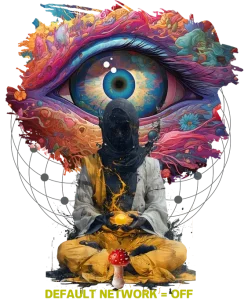
Psilocybin’s interaction with serotonin receptors, especially the 5-HT2A receptor, is crucial for its psychoactive effects. This interaction leads to a temporary disruption of the brain’s default mode network (DMN), which is associated with self-referential thought and rumination. By disrupting the DMN, psilocybin can help individuals break free from negative thought patterns and gain new perspectives on their mental health conditions.
Therapeutic Potential of Magic Mushrooms
Treating Depression
Effectiveness in Treatment-Resistant Depression: One of the most promising applications of psilocybin is in the treatment of treatment-resistant depression (TRD). Studies have shown that a single dose of psilocybin can lead to significant reductions in depressive symptoms, often with rapid onset and lasting effects. The ability of psilocybin to induce profound changes in consciousness and emotional state makes it a powerful tool in addressing TRD.
Long-Term Benefits: Beyond immediate symptom relief, psilocybin therapy has been associated with long-term improvements in mood and well-being. Participants in clinical trials have reported sustained reductions in depressive symptoms for weeks or even months after a single treatment session. This enduring effect is believed to result from the lasting changes in brain connectivity and cognitive flexibility induced by psilocybin.
get this on a shirt
Alleviating Anxiety
Impact on Anxiety Disorders: Psilocybin has also shown promise in treating various anxiety disorders, including generalized anxiety disorder (GAD) and social anxiety disorder (SAD). The anxiolytic effects of psilocybin are thought to stem from its ability to enhance emotional processing and reduce activity in brain regions associated with fear and anxiety.
Cancer-Related Anxiety: Psilocybin-assisted therapy has been particularly effective in alleviating anxiety and depression in patients with life-threatening cancer diagnoses. Studies have demonstrated that psilocybin can significantly reduce existential distress, improve quality of life, and promote a sense of peace and acceptance in these patients.
Clinical Studies and Evidence
Groundbreaking Research
Several landmark studies have demonstrated the efficacy of psilocybin in treating depression and anxiety. For instance, a study conducted by Johns Hopkins University found that a single high dose of psilocybin led to substantial and sustained decreases in depression and anxiety in cancer patients. Similarly, research from Imperial College London has shown that psilocybin can effectively reset the brain, leading to improved mental health outcomes.
Longitudinal Studies
Longitudinal studies have further supported the therapeutic potential of psilocybin. These studies track participants over extended periods, providing valuable insights into the long-term effects of psilocybin therapy. Findings indicate that the benefits of psilocybin can persist for months or even years, underscoring its potential as a long-term treatment option for depression and anxiety.
The Role of Psychedelic-Assisted Therapy
Combining Psilocybin with Psychotherapy
Psychedelic-assisted therapy involves the use of psilocybin in conjunction with psychotherapy. This integrated approach enhances the therapeutic process by providing a supportive framework for patients to process their psychedelic experiences. Therapists trained in psychedelic therapy guide patients through preparation, the psychedelic session, and integration, helping them derive meaningful insights and lasting benefits from their experiences.
Therapeutic Settings and Safety
Ensuring a safe and supportive environment is crucial for the success of psychedelic therapy. Clinical settings for psilocybin-assisted therapy are carefully designed to provide comfort and safety, with trained professionals monitoring patients throughout their sessions. This controlled environment minimizes the risk of adverse reactions and maximizes the therapeutic potential of psilocybin.
Addressing Concerns and Misconceptions
Potential Risks and Side Effects
While psilocybin has shown great promise, it is not without potential risks. Some individuals may experience adverse effects, such as anxiety, paranoia, or confusion during their psychedelic experiences. However, these effects are typically short-lived and can be mitigated through proper preparation and support. It is essential for patients to undergo thorough screening and assessment to ensure they are suitable candidates for psilocybin therapy.
Legal and Regulatory Challenges
The legal status of psilocybin remains a significant barrier to its widespread adoption in clinical practice. In many countries, psilocybin is classified as a Schedule I substance, meaning it is considered to have a high potential for abuse and no accepted medical use. However, recent shifts in public opinion and policy changes, such as the decriminalization of psilocybin in certain jurisdictions, are paving the way for more research and therapeutic applications.
Future Directions and Research
Expanding Applications
Future research will likely explore the broader applications of psilocybin in mental health treatment. Potential areas of investigation include its use in treating other psychiatric disorders, such as obsessive-compulsive disorder (OCD), eating disorders, and substance use disorders. Additionally, studies may examine the effectiveness of different dosing protocols and delivery methods to optimize therapeutic outcomes.
Integrating Psilocybin into Standard Care
As evidence supporting the efficacy of psilocybin continues to grow, there is a need to integrate this treatment into standard mental health care. This will require collaboration between researchers, clinicians, and policymakers to develop standardized protocols, training programs for therapists, and regulatory frameworks that ensure patient safety and treatment efficacy.
Conclusion
Magic mushrooms, with their active ingredient psilocybin, hold immense potential in preventing and treating depression and anxiety. The profound and lasting benefits observed in clinical studies underscore the need for continued research and development in this field. By integrating psilocybin-assisted therapy into mainstream mental health care, we can offer new hope to individuals struggling with treatment-resistant depression, anxiety disorders, and other psychiatric conditions. The future of mental health treatment may well lie in the transformative power of psychedelic substances, combined with innovative therapeutic approaches and supportive care.
References
Carhart-Harris, R. L., & Goodwin, G. M. (2017). The therapeutic potential of psychedelic drugs: past, present, and future. Neuropsychopharmacology, 42(11), 2105-2113.
Griffiths, R. R., Johnson, M. W., Carducci, M. A., Umbricht, A., Richards, W. A., Richards, B. D., … & Klinedinst, M. A. (2016). Psilocybin produces substantial and sustained decreases in depression and anxiety in patients with life-threatening cancer: A randomized double-blind trial. Journal of Psychopharmacology, 30(12), 1181-1197.
Ross, S., Bossis, A., Guss, J., Agin-Liebes, G., Malone, T., Cohen, B., … & Schmidt, B. L. (2016). Rapid and sustained symptom reduction following psilocybin treatment for anxiety and depression in patients with life-threatening cancer: a randomized controlled trial. Journal of Psychopharmacology, 30(12), 1165-1180.
In recent years, the combination of psychedelics and virtual reality (VR) has emerged as a groundbreaking approach in mental health treatment. This innovative therapy leverages the therapeutic benefits of psychedelics with the immersive capabilities of VR, creating a powerful tool for addressing various psychiatric disorders, including treatment-resistant depression, post-traumatic stress disorder (PTSD), and anxiety disorders. This article delves into the synergistic potential of psychedelics and VR, highlighting their combined effects and practical applications in therapeutic settings.
The Evolution of Psychedelic Therapy
Historical Context
Psychedelics have been used for centuries in different cultural and spiritual contexts. However, it wasn’t until the mid-20th century that their therapeutic potential began to be scientifically explored. Despite promising results, research on psychedelics was largely halted in the 1970s due to regulatory restrictions. In recent decades, there has been a resurgence of interest, with numerous studies demonstrating the efficacy of psychedelics in treating a variety of psychiatric disorders, including treatment-resistant depression and PTSD.
Modern Research and Applications
Current studies have shown that psychedelics can induce significant therapeutic effects, particularly in treatment-resistant depression, PTSD, and anxiety disorders. These substances, including classic psychedelics like psilocybin and lysergic acid diethylamide (LSD), work by disrupting the brain’s default mode network, leading to enhanced neuroplasticity and altered states of consciousness. The therapeutic potential of psychedelics is now being explored in combination with other innovative technologies, such as VR.
The Role of Virtual Reality in Therapy
What is Virtual Reality?
Virtual reality is a computer-generated environment that allows users to interact with and experience a three-dimensional world. By using VR headsets and sensory inputs, users can immerse themselves in a variety of simulated environments. VR is a powerful tool for creating therapeutic settings because it allows for controlled, immersive, and safe environments.
VR in Mental Health Treatment
VR has been increasingly used in mental health treatments, offering unique advantages such as controlled exposure therapy for phobias, relaxation training, and social skills training for individuals with autism spectrum disorder. Its ability to create safe, immersive, and controlled environments makes it an ideal complement to psychedelic therapy. VR can enhance therapeutic experiences by providing structured yet flexible frameworks for emotional and psychological exploration.
get this on a shirt
Combining Psychedelics with VR: The Synergy
Enhanced Therapeutic Experiences
The combination of psychedelics and VR can amplify the therapeutic effects of both modalities. Psychedelics can enhance the immersive experience of VR, making therapeutic simulations more vivid and impactful. For example, a VR environment designed to simulate a calming nature scene can be experienced more profoundly when under the influence of a psychedelic, potentially leading to deeper emotional and psychological healing.
Addressing Treatment-Resistant Conditions
Many mental health conditions, such as treatment-resistant depression and PTSD, do not respond well to conventional therapies. The synergistic effects of psychedelics and VR can offer new hope for these patients. By breaking down psychological barriers and facilitating new perspectives, this combined approach can lead to significant improvements in mental health. Psychedelic-assisted therapy, when combined with VR, can create a supportive and immersive environment that helps patients navigate complex emotional landscapes.
Practical Applications and Case Studies
Case Study: Treating PTSD
One notable application of psychedelics and VR is in the treatment of PTSD. Traditional exposure therapy can be enhanced by using VR to recreate traumatic scenarios in a controlled and safe environment. When combined with psychedelics, patients can process traumatic memories more effectively, leading to reduced symptoms and improved coping mechanisms. Virtual reality exposure therapy (VRET) has been shown to provide a sense of presence and agency, which, when coupled with the dissociative effects of psychedelics, can help patients confront and reframe traumatic experiences.
Case Study: Alleviating Depression
In cases of severe depression, VR can create positive, uplifting environments that, when paired with psychedelics, help patients break free from negative thought patterns. For instance, a patient might explore a serene virtual forest or a calming beach, facilitating a profound sense of peace and well-being. The use of virtual reality experience in psychedelic sessions can enhance the therapeutic outcomes by providing a structured yet flexible framework for emotional exploration.
Enosis Therapeutics is at the forefront of combining psychedelic compounds with VR for therapeutic use. By integrating VR into psychedelic-assisted psychotherapy, they aim to enhance the therapeutic process and improve treatment outcomes for a range of mental disorders. This innovative approach involves using VR to guide patients through their psychedelic experiences, providing a supportive and immersive environment that can help them navigate complex emotional landscapes.
Challenges and Considerations
Safety and Ethical Concerns
The combination of psychedelics and VR is not without its challenges. Ensuring the safety and ethical treatment of patients is paramount. This includes obtaining informed consent, managing potential adverse reactions, and ensuring that sessions are conducted by trained professionals. Adverse effects and psychological side effects must be carefully monitored, especially considering the heightened suggestibility and vulnerability of patients under the influence of psychedelics.
Integration into Clinical Practice
Integrating this novel approach into mainstream clinical practice requires overcoming regulatory hurdles and developing standardized protocols. This involves extensive training for therapists, rigorous clinical trials, and clear guidelines to ensure patient safety and treatment efficacy. The integration process must also consider the potential for adverse reactions and the need for robust support systems to manage these effectively.
Future Directions and Research
Expanding Applications
The potential applications of psychedelics and VR in therapy are vast. Future research could explore their use in treating a broader range of conditions, such as obsessive-compulsive disorder (OCD), eating disorders, and chronic pain. Additionally, developing personalized VR environments tailored to individual therapeutic needs could enhance treatment outcomes.
Long-Term Effects and Sustainability
Long-term studies are needed to understand the sustainability of the therapeutic benefits of combining psychedelics and VR. This includes examining the longevity of symptom relief and the potential for any long-term adverse effects. Future studies should also investigate the psychological effects and integration process to ensure that patients derive lasting benefits from their psychedelic experiences.
Conclusion
The integration of psychedelics and virtual reality represents a promising frontier in mental health treatment. By harnessing the therapeutic potential of these two modalities, therapists can offer more effective and immersive treatments for a range of psychiatric disorders. As research continues to evolve, this innovative approach may become a cornerstone of future mental health care.
Combining psychedelic-assisted therapy with VR not only enhances the therapeutic process but also offers a new dimension of treatment for conditions such as PTSD, depression, and anxiety disorders. As the field progresses, the potential for positive outcomes and therapeutic effects continues to grow, making this an exciting area of development in modern psychotherapy. With ongoing research and development, the combination of these cutting-edge therapies holds the promise of transforming the landscape of mental health treatment.
In conclusion, the synergy between psychedelics and virtual reality offers a novel and potentially transformative approach to mental health therapy. By providing immersive, controlled, and supportive environments, this combination can enhance the therapeutic effects of both modalities, offering new hope for individuals struggling with a variety of psychiatric conditions. As research and clinical practice continue to advance, the integration of these technologies promises to revolutionize the field of mental health care, paving the way for more effective and comprehensive treatments.