

Long-Term Effects of Psychedelic Use

Long-Term Effects of Psychedelic Use

The renewed interest in psychedelic drugs—including psilocybin, lysergic acid diethylamide (LSD), and MDMA—has reignited discussions about their potential for both therapeutic and recreational use. While recent studies have shown promising results for the use of psychedelics in treating mental health disorders such as depression, anxiety, and PTSD, understanding the long-term effects of psychedelic use is crucial for ensuring safe and informed applications. Both positive and adverse reactions have been observed, and research into the long-term consequences is still unfolding.

In this extended article, we will explore the long-term psychedelic effects on brain function, mental health, and overall well-being, drawing on findings from clinical studies, observational studies, and anecdotal reports. We’ll examine both the therapeutic potential and the possible risks, focusing on serotonergic psychedelics, their interactions with psychiatric disorders, and their antidepressant effects.


Understanding Psychedelics: What They Are and How They Work

Psychedelic drugs, often referred to as classic psychedelics, include substances such as psilocybin, LSD, DMT, and mescaline. These compounds primarily interact with the brain’s serotonin receptors, particularly the 5-HT2A receptor, which leads to altered states of perception, mood, and cognition.

  • Psilocybin: Found in certain species of mushrooms, this substance is converted into psilocin in the body, which binds to serotonin receptors to induce effects such as visual hallucinations and changes in emotional processing.
  • LSD: Short for lysergic acid diethylamide, LSD is a powerful synthetic psychedelic that produces long-lasting mystical-type experiences, visual hallucinations, and shifts in sensory perception.
  • MDMA: Known for its ability to enhance empathy and emotional openness, MDMA differs from classic psychedelics but has also been studied for its potential in psychedelic-assisted therapy.

Positive Long-Term Effects of Psychedelic Use

1. Reduction in Depressive Symptoms

One of the most well-documented long-term benefits of psychedelics is their ability to reduce depressive symptoms in individuals with treatment-resistant depression. In clinical trials involving healthy volunteers and patients with depressive disorder, psychedelics have shown potential for creating lasting changes in mood. For instance, a single dose of psilocybin has been linked to decreases in depression that persist for several months.

In a pivotal study by Griffiths et al., participants who received high psychedelic doses of psilocybin reported significant improvements in mood, with many experiencing long-term relief from depressive symptoms. This research highlights how a single dose of a psychedelic can create profound and enduring changes in brain chemistry, offering a promising alternative for individuals who do not respond to conventional antidepressants.

2. Neuroplasticity and Cognitive Flexibility

Another positive long-term effect of psychedelics is their ability to promote neuroplasticity—the brain’s ability to form new neural connections. Studies have shown that serotonergic psychedelics like psilocybin and LSD can encourage the growth of dendritic spines (small protrusions on neurons that help facilitate communication between cells). This enhanced neuroplasticity is believed to underlie many of the therapeutic benefits of psychedelics, as it allows the brain to “reset” and adopt new, healthier patterns of thinking.

Users of psychedelics have also reported increased cognitive flexibility—the ability to approach problems from new perspectives and adapt to changing circumstances. This has been particularly noted in individuals who incorporate psychedelics into a structured practice, such as psychedelic-assisted therapy or ceremonial use.

3. Spiritual Growth and Existential Insights

Many long-term users of psychedelics report experiencing profound spiritual experiences that have a lasting impact on their sense of self, their relationships, and their understanding of the universe. These experiences are often described as moments of ego dissolution, where the boundaries between the self and the external world blur, leading to feelings of unity and interconnectedness. The mystical-type experience often associated with psychedelic doses of psilocybin or LSD has been shown to lead to lasting positive changes in individuals’ worldviews and sense of purpose.

In Griffiths et al.’s study on psilocybin, participants who had mystical-type experiences during their sessions reported long-term improvements in their overall life satisfaction, with some describing these experiences as among the most meaningful in their lives.


Potential Risks and Adverse Reactions

While there are many potential benefits, it is important to also address the adverse reactions and long-term risks associated with the use of psychedelics. Although psychedelics are generally considered safe in controlled settings, prolonged or frequent use, especially without guidance, can lead to challenging experiences and unintended consequences.
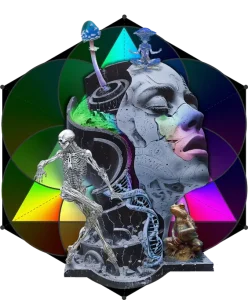
1. Hallucinogen Persisting Perception Disorder (HPPD)

One of the most concerning long-term effects is Hallucinogen Persisting Perception Disorder (HPPD). This rare condition involves persistent visual hallucinations or distortions long after the effects of the psychedelic have worn off. Individuals with HPPD may experience trails of light, halos around objects, or geometric patterns in their visual field. The exact cause of HPPD remains unclear, but it is believed to be related to changes in the brain’s visual processing pathways triggered by the psychedelic experience.

While most psychedelic users do not develop HPPD, those who do can find the condition to be distressing and disruptive. It is more likely to occur in individuals who use psychedelics frequently or at high doses.

2. Psychosis and Mental Health Disorders

Though psychedelics are considered non-addictive, they can trigger or exacerbate symptoms of psychiatric disorders in vulnerable individuals. For example, people with a family history of schizophrenia or bipolar disorder may be at a higher risk of experiencing psychosis after using psychedelics. This is why screening for mental health disorders is critical in therapeutic settings.

Griffiths et al. noted that individuals with certain mental health conditions may experience challenging experiences or negative reactions, including paranoia, delusions, or panic, particularly if they are not in a safe or supportive environment.

3. Potential Cognitive Decline

While short-term studies suggest that psychedelics can enhance cognitive flexibility, there are concerns about the potential for cognitive decline with prolonged or frequent use. Some anecdotal reports and early research suggest that frequent users of psychedelics, especially those who take high doses regularly, may experience difficulties with memory, focus, and cognitive control over time.

This is particularly true for substances like MDMA, which has been shown in some studies to cause neurotoxicity when used frequently at high doses. Though clinical studies have not yet conclusively determined whether psychedelics like psilocybin or LSD carry the same risks, it is an area that warrants further investigation.


The Role of Set, Setting, and Integration in Long-Term Effects

The long-term effects of psychedelics are highly dependent on the context in which they are used. The concepts of “set” (the user’s mindset) and “setting” (the physical and social environment) play a crucial role in shaping both the immediate and long-term outcomes of psychedelic use. Individuals who approach psychedelics with clear intentions and in supportive environments tend to report more positive outcomes, both during the trip and in the months or years that follow.

Integration is also a key factor. Proper integration involves reflecting on the psychedelic experience and incorporating the lessons learned into one’s daily life. This process is often facilitated by therapists or guides, who help users make sense of their experiences and apply the insights to their mental and emotional well-being. Without integration, even positive psychedelic experiences can fade, and users may struggle to apply the lessons learned to their everyday lives.


Legal and Ethical Considerations: The Importance of Informed Consent

As psychedelics become more accepted in therapeutic settings, the importance of informed consent cannot be overstated. Participants in clinical trials and psychedelic-assisted therapy must fully understand the potential risks and benefits, as well as the possibility of adverse effects like HPPD or psychosis. By ensuring that individuals are fully informed, researchers and therapists can better support participants and minimize the risks of long-term harm.

Additionally, ethical considerations around access, equity, and safety are critical as psychedelics move toward broader legal acceptance. Ensuring that these substances are used responsibly and with proper oversight is essential for maximizing their therapeutic potential while minimizing harm.


Conclusion: Weighing the Risks and Benefits of Long-Term Psychedelic Use

The long-term effects of psychedelic use are varied and depend heavily on the frequency of use, the dosage, and the context in which the drugs are taken. While clinical studies and observational research suggest that psychedelics hold great promise for treating depressive disorders, anxiety, and other mental health conditions, they are not without risks. Visual hallucinations, cognitive impairments, and the potential for triggering psychosis interms of pre-existing psychiatric disorders remain important considerations. Individuals who are predisposed to conditions like schizophrenia or bipolar disorder should exercise extreme caution, as psychedelics may exacerbate or trigger psychosis in vulnerable users.

On the positive side, the antidepressant effects of psychedelics—particularly in patients with depressive symptoms—continue to show promise, especially when used in conjunction with psychotherapy. Clinical trials involving healthy volunteers have shown that even a single dose of psilocybin can lead to lasting reductions in depressive symptoms and improvements in overall well-being. This highlights the potential of psychedelic therapy to offer meaningful, long-term solutions for individuals struggling with mental health disorders.

In conclusion, while psychedelic drugs like psilocybin and LSD show significant therapeutic promise, it is essential to approach their use with careful consideration of both the positive and adverse effects. With proper informed consent, structured settings, and attention to set and setting, psychedelics can provide lasting benefits for mental health, but they must be used responsibly to mitigate the risks of challenging experiences and long-term consequences


How to Microdose Psychedelics Safely

How to Microdose Psychedelics Safely

In recent years, the practice of psychedelic microdosing has surged in popularity, particularly among individuals seeking to experience the beneficial effects of psychedelic drugs without the intense hallucinogenic or spiritual experiences associated with higher, standard doses. Psychoactive substances like psilocybin (the active compound in psychedelic mushrooms) and LSD have been used by those looking to enhance their creativity, productivity, and mood. Proponents of microdosing suggest that these sub-perceptual doses can help reduce symptoms of depression, lower levels of anxiety, and improve cognitive flexibility.

However, as with any substance, safety and responsibility are key. Psychedelic drugs can have complex effects on the brain and body, and ensuring safe practice is critical. In this guide, we’ll discuss how to microdose safely, including dosing strategies, the potential adverse effects, and the growing body of observational studies and experimental studies on the effects of microdose.


What is Microdosing?

Microdosing involves taking sub-perceptual doses of psychedelic substances, typically between 5-10% of a standard dose. A psychedelic dose of psilocybin mushrooms, for example, might range from 2-3.5 grams, whereas a microdose of psilocybin would range between 0.1-0.3 grams. Similarly, for LSD, a standard dose is around 100-200 micrograms, while a microdose would be as low as 10-20 micrograms.

At these levels, users typically do not experience the intense psychedelic experiences or hallucinations associated with full doses. Instead, they report mild alterations in mood, cognition, and cognitive control. The goal is to achieve subtle shifts in mental clarity, emotional balance, and creativity without becoming intoxicated.

Reported Benefits of Microdosing Psychedelics

Many who microdose claim a wide variety of benefits, including improvements in mood and cognition. Although most evidence remains anecdotal reports, a number of observational studies have supported some of these claims, and clinical trials are starting to explore the potential benefits more rigorously.

Here are some of the most commonly reported benefits:

  1. Improved Mood: Many users report feeling more positive, calm, and emotionally resilient after microdosing. This may result from positive emotions induced by the psychedelic’s subtle impact on brain chemistry.
  2. Enhanced Creativity and Problem-Solving: A number of individuals use microdosing to boost their creative output, whether in artistic fields or more analytical work. Psychedelic microdosing may promote more flexible thinking by reducing cognitive rigidity, which can often lead to more innovative ideas and solutions.
  3. Reduction of Symptoms of Depression and Anxiety: Though still under study, there is increasing interest in the use of microdosing to help with symptoms of depression and levels of anxiety. The way psychedelic compounds interact with the brain’s serotonin system is thought to improve mood and reduce feelings of worry or panic.
  4. Increased Focus and Productivity: Another reported benefit is improved focus, allowing users to tackle difficult tasks with greater efficiency. This is why microdosing has gained a following in productivity-driven environments like Silicon Valley.
  5. Heightened Spiritual and Emotional Awareness: Some users, while not experiencing full-blown hallucinations or spiritual experiences, report feeling more connected to themselves and others, which may lead to greater emotional well-being.

How to Microdose Psychedelics Safely

While the potential beneficial effects of microdosing are promising, it’s essential to approach this practice with caution. Here’s how to microdose psychoactive substances safely:

1. Accurate Dosage

The most critical factor in microdosing is taking the right amount. Too much of a psychedelic can lead to a standard dose experience, complete with hallucinations and a loss of cognitive control. Always start with the smallest effective dose:

  • Psilocybin Doses: Begin with 0.1 grams of dried mushrooms. You can slowly increase the dose, but avoid exceeding 0.3 grams.
  • LSD Doses: Start with 10 micrograms. Adjust according to personal tolerance, but avoid going beyond 20 micrograms.

Using a precise scale is essential for measuring the correct amount, as even small deviations in the dose can lead to significantly different effects.

2. Structured Schedule

Microdosing should not be done every day to avoid building up tolerance. A commonly recommended schedule is the Fadiman protocol, which involves dosing every third day:

  • Day 1: Take a microdose.
  • Day 2: Do not dose but observe any subjective effects or lingering positive moods.
  • Day 3: Rest day with no dose, allowing the brain to reset.

Another approach is the Stamets Stack, which combines psilocybin with other compounds like lion’s mane mushrooms and niacin, often in a four days on, three days off cycle.

3. Set Your Intention

Before beginning any psychedelic microdosing practice, it is essential to set clear intentions. Are you trying to reduce anxiety? Enhance creativity? Having a purpose will help you evaluate whether microdosing is achieving your desired outcomes. Journaling your experiences and tracking your mood, productivity, and emotional state can help you assess whether you’re benefiting from the practice.

4. Safe Environment and Set and Setting

Although microdosing doesn’t induce intense psychedelic experiences, it’s important to start in a familiar, safe environment where you feel comfortable. Take note of your emotional and mental state before dosing—psychedelics can amplify emotions, and even at low doses, an anxious or stressful situation can influence the experience.

Potential Risks and Side Effects of Microdosing

Microdosing may seem relatively safe compared to higher psychedelic doses, but there are still risks and adverse effects to be aware of:

  1. Expectancy Effects: Research suggests that some of the benefits reported from microdosing may be due to expectancy effects, where individuals experience the effects they expect to happen, rather than those induced by the substance itself.
  2. Physical Effects: Subtle increases in heart rate, changes in blood pressure, and mild alterations in perception are possible. While many people feel more relaxed, some may experience mild anxiety or agitation, especially in the early stages of experimenting with microdosing.
  3. Psychological Effects: For individuals with a history of bipolar disorder, schizophrenia, or other serious psychiatric conditions, even small doses of psychedelics could exacerbate symptoms. It is strongly advised that people with these conditions avoid microdosing, as the risk of triggering a manic episode or psychosis may be heightened.
  4. Adverse Effects: While uncommon, negative reactions can occur, particularly if the individual is in a challenging emotional state at the time of dosing. Psychedelic drugs amplify mental and emotional experiences, which means existing worries or fears can become more pronounced.

The Science Behind Microdosing: Clinical Trials and Studies

The anecdotal popularity of microdosing has spurred scientists to begin clinical trials and experimental studies aimed at understanding the behavioral effects and therapeutic potential of this practice.

  1. Observational Studies: Early research into microdosing has relied on observational studies, where participants self-report the effects of microdoses over time. These studies have shown promising results in terms of improved mood, enhanced cognitive function, and reduced symptoms of depression.
  2. Clinical Trials: Ongoing clinical trials are exploring how microdosing can be used to treat specific mental health conditions, such as depression and anxiety disorders. Researchers are particularly interested in the neurochemical changes that occur during microdosing and how psychedelic compounds interact with serotonin receptors to modulate mood and emotional processing.
  3. Placebo-Controlled Trials: Recent studies have incorporated placebo-controlled trials to determine whether the positive effects of microdosing are due to the actual pharmacological effects or expectancy effects. The results are still inconclusive, and more rigorous studies are needed to understand the full scope of psychoactive drugs like psilocybin at low doses.

Ethical and Legal Considerations

One of the biggest challenges for individuals interested in microdosing is the legal status of psychoactive substances. In most parts of the world, substances like psilocybin and LSD are illegal, and using them—even in small doses—comes with legal risks. However, in certain regions, such as Oregon, where psilocybin-assisted therapy has been legalized, it’s easier to explore this form of treatment. Always be aware of the legal context in your area before embarking on a microdosing regimen.

Conclusion: The Future of Microdosing Psychedelics

While research on the long-term effects of psychedelic microdosing is still in its early stages, the practice has gained popularity for its potential to enhance mood, creativity, and focus. With proper dosing, a structured schedule, and a mindful approachapproach, microdosing has the potential to be a valuable tool for personal growth and mental health. Its popularity is largely driven by anecdotal reports from users who claim improvements in mood, creativity, and focus, but more rigorous clinical trials and experimental studies are needed to confirm these benefits and better understand the long-term effects of psychoactive drugs at sub-perceptual levels.

As research continues to explore the potential of microdosing for improving mental health and emotional well-being, it is important to remember that psychedelics should be used responsibly and with care. Anyone considering microdosing should start with a safe, controlled environment, set clear intentions, and be mindful of both the positive effects and adverse effects that may arise. Additionally, it’s crucial to stay informed of the legal considerations regarding psychedelic substances in your area.

By following these guidelines and integrating psychedelic microdosing with a healthy lifestyle, many individuals may find a new way to unlock positive emotions, enhance cognitive control, and achieve a more balanced state of well-being. However, it is important to approach this practice with caution, respect for the substances, and an awareness of the possible risks involved.

“Psychedelic therapy for depression”

“Psychedelic therapy for depression”

Depression is a widespread mental health condition that affects millions of people worldwide. While traditional treatments such as antidepressants and cognitive-behavioral therapy have been effective for many, there is a growing population of individuals who suffer from treatment-resistant depression. For these individuals, conventional methods may not provide the relief they seek, and the need for new and innovative treatments is urgent. One such treatment that has gained attention in recent years is psychedelic therapy. This article delves into the use of psychedelic therapy for treating depression, exploring its mechanisms, clinical trials, and the therapeutic potential of compounds such as psilocybin, LSD, and MDMA.

Understanding Psychedelic Therapy

Psychedelic therapy refers to the use of psychedelic substances, such as psilocybin (found in magic mushrooms), LSD, or MDMA (3,4-methylenedioxymethamphetamine), in a controlled, therapeutic setting to treat mental health conditions. Unlike recreational use, psychedelic therapy is highly structured and typically involves preparation, guided psychedelic sessions, and integration sessions to process the experiences that arise during the therapy.

The psychedelic substances used in therapy are known for their ability to induce altered states of consciousness, often characterized by vivid imagery, altered perceptions, and intense emotional experiences. These effects are not merely hallucinogenic; they play a crucial role in helping individuals explore their emotions and thought processes from new perspectives. When used in a therapeutic context, these substances can facilitate emotional breakthroughs, deep introspection, and a sense of interconnectedness, all of which are important components in the treatment of depression.

Psychedelics and Depression: A Look at the Science

Depression is often linked to rigid, negative thought patterns and reduced emotional flexibility. Psychedelics work by temporarily altering the brain’s normal functioning, allowing individuals to break free from these patterns and gain new insights into their condition.

1. Interaction with Serotonin Receptors

One of the primary ways that psychedelics exert their effects is through their interaction with serotonin receptors, particularly the 5-HT2A receptor. Serotonin is a neurotransmitter involved in regulating mood, emotions, and cognition. Psychedelics, such as psilocybin and LSD, are known to be serotonin receptor agonists, meaning they mimic the effects of serotonin by binding to these receptors and activating them.

This activation leads to a cascade of changes in brain activity, including increased connectivity between brain regions that do not normally communicate. This disruption of normal brain patterns allows for more fluid and flexible thinking, which can help individuals break free from the negative rumination and thought loops that are often associated with depression.

2. The Default Mode Network and Ego Dissolution

One of the most studied effects of psychedelics on the brain is their impact on the default mode network (DMN). The DMN is a network of brain regions that is active when the mind is at rest and engaged in self-referential thought, such as daydreaming or reflecting on the past. In people with depression, the DMN is often overactive, leading to excessive rumination and negative self-talk.

Psychedelics, particularly psilocybin, have been shown to temporarily reduce activity in the DMN, leading to a phenomenon known as ego dissolution. Ego dissolution is characterized by a loss of the usual sense of self, where the boundaries between the self and the external world become blurred. This state can be profoundly therapeutic, as it allows individuals to experience themselves and their problems from a new perspective, often leading to deep emotional insights and a sense of interconnectedness with others and the universe.

Clinical Trials and Research on Psychedelics for Depression

The last two decades have seen a resurgence in research on psychedelics, with numerous clinical trials investigating their potential as treatments for depression and other mental health conditions. The most well-studied psychedelic in this context is psilocybin, but research on LSD and MDMA is also progressing.

1. Psilocybin for Treatment-Resistant Depression

One of the most promising areas of research has been the use of psilocybin for treatment-resistant depression. Clinical trials conducted by institutions such as Johns Hopkins University and Imperial College London have demonstrated that psilocybin can produce rapid and significant improvements in depressive symptoms, even in individuals who have not responded to other treatments.

In a landmark study published in 2016, researchers at Imperial College London administered two doses of psilocybin to patients with treatment-resistant depression. The results were remarkable: most patients experienced a significant reduction in depressive symptoms, and many maintained these improvements for several months after the treatment. The researchers used functional magnetic resonance imaging (fMRI) to observe changes in brain activity, confirming that psilocybin reduced activity in the DMN and increased connectivity between brain regions involved in emotional processing.

2. MDMA-Assisted Therapy for PTSD and Depression

While psilocybin has garnered much of the attention, MDMA has also shown promise, particularly in the treatment of post-traumatic stress disorder (PTSD), which often co-occurs with depression. MDMA, also known as “ecstasy” in its recreational form, acts differently from classical psychedelics like psilocybin or LSD. Instead of inducing hallucinations or ego dissolution, MDMA promotes the release of serotonin, dopamine, and oxytocin, creating feelings of trust, safety, and emotional openness.

In MDMA-assisted psychotherapy, patients are able to confront and process traumatic memories without being overwhelmed by fear or anxiety. This emotional processing often leads to significant reductions in PTSD symptoms, which in turn can alleviate comorbid depression. MDMA-assisted therapy is currently in Phase 3 clinical trials and is expected to be approved for therapeutic use by the U.S. Food and Drug Administration (FDA) within the next few years.

3. LSD and Its Role in Treating Depression

While psilocybin and MDMA have been the focus of most clinical trials, LSD (lysergic acid diethylamide) also shows potential for treating depression. LSD acts on the same serotonin receptors as psilocybin and has similar effects on the brain, including the disruption of the DMN and enhanced brain connectivity. However, LSD’s longer duration of action and more intense visual and auditory hallucinations make it a less popular choice for therapeutic use.

Nevertheless, early studies on LSD-assisted therapy have shown promise. A small clinical trial conducted in 2014 found that LSD-assisted psychotherapy led to reductions in anxiety and depression in patients with life-threatening illnesses. As interest in psychedelic therapy continues to grow, further research on LSD’s potential for treating depression is likely to follow.

The Psychedelic Therapy Process

Psychedelic therapy is not simply about taking a substance and waiting for the effects to unfold. The therapeutic process is highly structured and typically involves three key phases: preparation, the psychedelic session, and integration. Each phase is crucial for maximizing the therapeutic benefits of the experience and ensuring that patients feel supported throughout the process.

1. Preparation

The preparation phase involves several therapy sessions during which the patient and therapist build rapport and discuss the patient’s goals and concerns. The therapist provides information about what to expect during the psychedelic session, and together they create a safe and supportive environment. For individuals with a history of trauma, this phase is especially important, as it helps to establish a sense of safety and trust.

2. The Psychedelic Session

During the psychedelic session, the patient ingests the psychedelic substance under the supervision of a therapist or guide. The session typically lasts several hours, during which the patient may experience altered states of consciousness, emotional breakthroughs, or intense introspection. The therapist’s role is to provide support and guidance, helping the patient navigate challenging emotions or experiences that may arise.

The dose of psilocybin or other psychedelic used in the session is carefully calibrated to ensure that the patient has a meaningful experience without feeling overwhelmed. Patients are often encouraged to lie down, wear eye shades, and listen to music, creating a calm and introspective environment that facilitates deep emotional work.

3. Integration

The integration phase is where much of the therapeutic work takes place. After the psychedelic session, the patient meets with their therapist to process the insights and emotions that arose during the experience. This phase is essential for helping the patient make sense of their experience and apply the insights to their everyday life. Without proper integration, the benefits of the psychedelic experience may be short-lived, as the patient may struggle to incorporate the emotional and psychological insights gained during the session.

Potential Risks and Considerations

While the therapeutic potential of psychedelic therapy is promising, it is not without risks. Psychedelics can induce powerful emotional and psychological experiences, which may be overwhelming for some individuals. The possibility of a “bad trip”, characterized by intense fear, anxiety, or paranoia, is a concern, particularly for individuals with a history of psychotic disorders such as bipolar disorder or schizophrenia. Proper screening and preparation are essential for minimizing these risks.

Additionally, while the acute effects of psychedelics are temporary, some individuals may experience lasting changes in perception or mood. For example, a small subset of users may develop hallucinogen persisting perception disorder (HPPD), where visual disturbances such as halos or trails of light persist long after the psychedelic has worn off. Although rare, this condition underscores the need for careful patient selection and monitoring.

The Future of Psychedelic Therapy for Depression

As research on psychedelic therapy continues to expand, the future looks promising for its integration into mainstream mental health care. With clinical trials showing significant success in treating treatment-resistant depression and other mental health disorders, psychedelic therapy may soon become a widely accepted option for those who have not found relief from traditional treatments.

1. Ongoing Clinical Trials and FDA Approval

Several ongoing clinical trials are investigating the efficacy and safety of psychedelics for depression. For example, the Multidisciplinary Association for Psychedelic Studies (MAPS) is conducting trials on MDMA-assisted therapy for post-traumatic stress disorder (PTSD), which often includes symptoms of depression. These trials are in Phase 3, the final stage before potential FDA approval. If successful, MDMA could become the first psychedelic drug to be approved for therapeutic use, opening the door for other psychedelics, such as psilocybin and LSD, to follow suit.

Additionally, psilocybin is undergoing clinical trials for its efficacy in treating major depressive disorder (MDD). Researchers are optimistic that FDA approval could be granted within the next few years, allowing mental health professionals to incorporate psychedelics into a wider range of treatment plans.

2. Expanding Access and Decriminalization

The growing body of evidence supporting the therapeutic use of psychedelics has also spurred efforts to decriminalize their use in several regions. In cities such as Denver, Oakland, and Washington D.C., psilocybin has been decriminalized, meaning that law enforcement agencies no longer prioritize arrests or prosecutions for its use or possession.

At the state level, Oregon became the first state to legalize psilocybin therapy in 2020, allowing licensed professionals to administer the substance in therapeutic settings. This legislation marks a significant step toward making psychedelic therapy more accessible to the public and may inspire similar laws in other states.

3. Psychedelic Therapy as a Complement to Traditional Treatments

As the legal and medical landscape surrounding psychedelics continues to evolve, it is likely that psychedelic therapy will not replace traditional treatments, but rather complement them. For individuals who respond well to antidepressants or cognitive-behavioral therapy (CBT), psychedelics may serve as an adjunct therapy, helping to address underlying emotional issues or providing a deeper level of healing.

The integration of psychedelics with traditional therapies could also lead to more personalized treatment plans, where therapists use a combination of approaches tailored to the specific needs of each patient. For example, a patient might undergo a course of CBT to address negative thought patterns, followed by a guided psilocybin session to explore unresolved emotional trauma.

Ethical and Logistical Considerations for Psychedelic Therapy

As psychedelic therapy moves closer to widespread acceptance, several ethical and logistical considerations must be addressed to ensure that it is implemented safely and effectively.

1. Training and Certification of Therapists

One of the key challenges in expanding access to psychedelic therapy is ensuring that therapists are properly trained and certified to administer these substances. Psychedelic experiences can be intense and unpredictable, making it essential that therapists are equipped to handle challenging emotions or psychological reactions that may arise during a session.

Organizations such as MAPS and the Psychedelic Research and Training Institute (PRATI) are already developing certification programs for therapists, providing training in the unique aspects of psychedelic-assisted therapy. These programs will likely become the standard for professionals seeking to incorporate psychedelics into their practice.

2. Safety and Patient Screening

Given the potent psychological effects of psychedelics, proper patient screening is essential to minimize the risks of adverse reactions. Individuals with a family history of schizophrenia, bipolar disorder, or other psychotic disorders are typically excluded from psychedelic therapy, as these substances could exacerbate underlying mental health issues.

In addition to screening for mental health conditions, therapists must also assess patients’ readiness for the psychedelic experience. Patients who are not adequately prepared for the intense emotional and psychological effects of psychedelics may struggle to integrate their experiences, leading to confusion or emotional distress.

Conclusion

Psychedelic therapy represents a paradigm shift in the treatment of depression and other mental health conditions. By working through novel mechanisms—such as disrupting the default mode network and promoting neuroplasticity—psychedelics offer a new approach to mental health care that holds promise for individuals who have not responded to traditional treatments. The rapid and enduring effects of substances like psilocybin, MDMA, and LSD provide hope for individuals suffering from treatment-resistant depression, PTSD, and other psychiatric disorders.

While the road to widespread acceptance of psychedelic therapy still has obstacles, including legal hurdles and ethical considerations, the current momentum suggests that the integration of psychedelics into mainstream mental health care is on the horizon. As research continues to support their safety and efficacy, psychedelics may soon be recognized as a revolutionary treatment for the global mental health crisis, offering healing and transformation for millions

LSD for Anxiety: Revisiting the Potential of Psychedelic Therapy

LSD for Anxiety: Revisiting the Potential of Psychedelic Therapy

Anxiety is one of the most prevalent mental health conditions in the world, affecting millions of people across different age groups and backgrounds. Conventional treatments for anxiety, such as cognitive-behavioral therapy (CBT) and medications like selective serotonin reuptake inhibitors (SSRIs), are effective for many but not all. For individuals with treatment-resistant anxiety, these options may offer limited relief, prompting researchers and clinicians to explore alternative solutions. One of the most intriguing possibilities being revisited is the use of psychedelics, particularly LSD, as a therapeutic tool for anxiety.

Once regarded as one of the most promising substances in mental health research, LSD was widely studied in the mid-20th century for its potential to treat various mental health conditions. However, its use fell out of favor due to legal restrictions and negative public perceptions. Now, with a new wave of interest in psychedelics, researchers are once again exploring how LSD might help individuals struggling with anxiety.

What Is LSD and How Does It Work?

Lysergic acid diethylamide (LSD) is a powerful psychedelic substance that alters perception, mood, and cognition. Discovered by Swiss chemist Albert Hofmann in 1938, LSD became widely known for its profound effects on consciousness, inducing experiences often referred to as “trips.” While many associate LSD with the countercultural movements of the 1960s, its early history is rooted in psychiatry, where it was studied for its potential therapeutic benefits.

LSD works primarily by interacting with serotonin receptors in the brain, particularly the 5-HT2A receptor, which plays a crucial role in regulating mood, perception, and cognition. By activating these receptors, LSD enhances sensory perception, induces hallucinations, and alters the way individuals process emotions and thoughts. These effects have made LSD both a subject of fascination and controversy, but they also offer potential therapeutic benefits, particularly for conditions like anxiety, where rigid thought patterns and negative emotional loops are common.

A Brief History of LSD in Therapy

During the 1950s and 60s, LSD was at the forefront of psychiatric research. Early studies suggested that the substance could help individuals with a range of mental health conditions, including depression, anxiety, and addiction. Researchers believed that LSD, when administered in a controlled and therapeutic setting, could facilitate emotional breakthroughs and foster deep introspection, helping patients confront their fears and anxieties.

However, as LSD became associated with the counterculture of the 1960s, public perception of the substance shifted dramatically. Concerns about its recreational use, coupled with increasing government regulation, led to a widespread crackdown on LSD research. By the early 1970s, LSD was classified as a Schedule I drug in the United States, effectively halting most clinical research for decades.

The Rebirth of Psychedelic Research

After a long period of dormancy, psychedelic research is once again gaining momentum, and LSD is returning to the spotlight. Researchers are now exploring how LSD could be used as a therapeutic tool, particularly for individuals with anxiety disorders. The renewed interest in LSD is part of a broader revival of psychedelic research, which has also seen substances like psilocybin and MDMA being studied for their therapeutic potential.

A key driver of this resurgence is the growing recognition that many mental health conditions, including anxiety, are not adequately addressed by current treatments. SSRIs, for example, often take weeks to begin working and may cause undesirable side effects. Additionally, for individuals with treatment-resistant anxiety, these medications may offer little to no relief. Psychedelic-assisted therapy, on the other hand, represents a fundamentally different approach, one that could offer rapid and lasting improvements in mental health.

How LSD Might Help Treat Anxiety

The potential for LSD to treat anxiety lies in its ability to disrupt rigid thought patterns and promote emotional openness. Anxiety disorders are often characterized by repetitive, negative thinking—worries about the future, fears of failure, or excessive rumination about social interactions. These thought patterns can become deeply ingrained, making it difficult for individuals to break free from their anxious cycles.

LSD, by altering perception and cognition, may help individuals step outside of these negative thought patterns. During an LSD-assisted therapy session, individuals may experience shifts in their perspective, allowing them to confront their fears in a new light. This “resetting” of mental patterns can be incredibly therapeutic, helping individuals gain a greater sense of control over their anxiety.

Additionally, LSD’s effect on neuroplasticity—the brain’s ability to form new neural connections—may also play a role in its therapeutic potential. Increased neuroplasticity can help the brain develop healthier, more flexible ways of thinking, reducing the rigidity that often accompanies anxiety disorders.

What Happens During an LSD-Assisted Therapy Session?

LSD-assisted therapy is not like taking a daily medication; it typically involves one or a few guided sessions, where the individual takes a controlled dose of LSD in a therapeutic setting. The session is overseen by a trained therapist, who helps guide the individual through the experience and provides emotional support as needed.

Before the LSD session, the therapist will work with the individual to prepare them for the experience. This might involve discussing their fears, setting intentions for the session, and building trust between the therapist and the patient. During the session, the individual may experience altered sensory perception, vivid imagery, and heightened emotions. The therapist remains present to offer reassurance and help the individual process any challenging emotions or memories that arise.

After the session, the therapist and the individual will engage in integration work, where they process the insights gained during the LSD experience and apply them to the individual’s everyday life. This integration phase is crucial for ensuring that the benefits of the LSD session are long-lasting and meaningful.

Current Research on LSD for Anxiety

While the resurgence of psychedelic research has largely focused on substances like psilocybin and MDMA, interest in LSD is growing. Early studies on LSD and anxiety have shown promising results, particularly in individuals with end-of-life anxiety—those facing terminal illness or life-threatening diagnoses.

A landmark study conducted in 2014 explored the use of LSD-assisted therapy for individuals with terminal illness. The participants, who were experiencing severe anxiety related to their diagnoses, underwent several LSD-assisted therapy sessions. The results were encouraging: many participants reported a significant reduction in anxiety and fear, along with a greater sense of peace and acceptance regarding their condition.

These findings have paved the way for further research into how LSD might be used to treat other forms of anxiety, including generalized anxiety disorder (GAD), social anxiety, and panic disorders. As more clinical trials are conducted, researchers hope to gain a clearer understanding of the optimal dosing and therapeutic protocols for using LSD in anxiety treatment.

Risks and Considerations of LSD Therapy

While the potential benefits of LSD for anxiety are promising, it’s important to recognize that LSD is a powerful substance with both psychological and physiological effects. Like any psychedelic, LSD can induce intense emotions, altered perceptions, and sometimes overwhelming experiences. For this reason, it is crucial that LSD therapy takes place in a controlled and supportive environment, with trained professionals who can guide individuals through the experience.

There are also risks associated with “bad trips”—experiences where individuals may feel intense fear, confusion, or paranoia. While these effects are often temporary, they can be distressing and may leave individuals feeling vulnerable during the session. However, with proper preparation and support from a trained therapist, these risks can be minimized.

Moreover, not everyone is a suitable candidate for LSD therapy. Individuals with a history of psychosis, schizophrenia, or bipolar disorder may be at higher risk for adverse reactions to psychedelics. Careful screening and medical evaluation are essential before beginning any psychedelic-assisted therapy.

The Future of LSD in Mental Health Treatment

As interest in psychedelics continues to grow, the potential for LSD to play a role in mental health treatment is becoming increasingly recognized. Although more research is needed, early studies suggest that LSD may offer significant benefits for individuals with anxiety, particularly those who have not responded to conventional treatments.

Several clinical trials are currently underway, exploring how LSD can be integrated into modern therapeutic practices. As these studies progress, researchers hope to better understand the optimal use of LSD for treating anxiety, depression, and other mental health conditions. If the results are favorable, we may see LSD-assisted therapy becoming more widely accepted as a legitimate treatment option in the coming years.

Conclusion: A New Frontier for Anxiety Treatment?

LSD’s potential to treat anxiety represents a new frontier in mental health treatment. For individuals struggling with anxiety disorders, particularly those who have not found relief through traditional therapies, LSD-assisted therapy offers a promising alternative. By promoting emotional breakthroughs, increasing neuroplasticity, and helping individuals reframe their fears, LSD could offer a powerful tool for reducing anxiety and enhancing mental well-being.

However, as with all psychedelics, careful consideration, medical supervision, and integration support are essential for ensuring that the therapeutic benefits are safely and effectively realized. As research continues, LSD may become a valuable addition to the growing toolkit of psychedelic therapies that are revolutionizing mental health treatment.

“Psychedelic therapy for depression”

Psychedelic Art and Its Cultural Impact

Psychedelic art is a vibrant and mesmerizing genre that emerged in the 1960s and continues to influence various aspects of culture today. Characterized by vivid colors, surreal imagery, and complex patterns, psychedelic art reflects the profound and often mind-altering experiences associated with the use of psychedelic drugs. This art form has left an indelible mark on visual culture, influencing everything from album covers and posters to fashion and digital media. In this article, we will explore the history of psychedelic art, its defining characteristics, its cultural impact, and the contributions of key artists, including icons like Peter Max, Wes Wilson, and contemporary artists such as Raul Lopez Pomares.

The Origins of Psychedelic Art

The origins of psychedelic art can be traced back to the 1960s, a decade marked by social upheaval, countercultural movements, and widespread experimentation with psychoactive substances. The use of psychedelic drugs such as LSD (lysergic acid diethylamide), psilocybin, and mescaline became popular among young people seeking to expand their consciousness and explore new dimensions of reality. The visual experiences induced by these substances—characterized by intense colors, flowing patterns, and altered perceptions of space and time—became a key source of inspiration for artists.

Psychedelic art emerged as a distinct genre within this cultural context, serving as a visual representation of the psychedelic experience. The art was often used to promote and accompany music, particularly in the burgeoning rock scene, where bands like The Beatles, Pink Floyd, and The Grateful Dead embraced the psychedelic aesthetic. Concert posters, album covers, and light shows became the primary vehicles for this new visual language, which quickly gained popularity and spread beyond the counterculture.

Defining Characteristics of Psychedelic Art

Psychedelic art is defined by several key characteristics that set it apart from other art forms. These include:

1. Vivid Colors and High Contrast

Psychedelic art is known for its use of intense, saturated colors that create a sense of vibrancy and energy. The color palettes often include neon hues and stark contrasts, giving the artwork a glowing, almost luminous quality. This use of color is intended to evoke the heightened sensory experiences associated with psychedelics, where colors may appear more vivid and objects may seem to pulse with life.

2. Surreal and Abstract Imagery

Surrealism is a major influence on psychedelic art, with many works featuring dreamlike, abstract, and fantastical imagery. Common motifs include melting or morphing objects, fractal patterns, and kaleidoscopic landscapes that defy the laws of physics. This surreal quality reflects the altered states of consciousness experienced during a psychedelic trip, where the boundaries between reality and imagination become blurred.

3. Complex Patterns and Geometric Shapes

Psychedelic art often incorporates intricate patterns and geometric shapes, such as spirals, mandalas, and tessellations. These elements are designed to mimic the visual distortions and repetitive patterns that can occur during a psychedelic experience. The use of symmetry and repetition creates a sense of movement and dynamism, drawing the viewer into a hypnotic and immersive visual journey.

4. Symbolism and Esoteric Themes

Psychedelic art frequently explores themes related to spirituality, mysticism, and the exploration of the self. Symbols such as the third eye, lotus flowers, and cosmic imagery are commonly used to convey ideas of enlightenment, transcendence, and the interconnectedness of all things. These themes resonate with the psychedelic ethos of seeking deeper understanding and connection through altered states of consciousness.

Cultural Impact of Psychedelic Art

Psychedelic art has had a profound impact on various aspects of culture, particularly in the realms of music, fashion, and graphic design. Its influence can be seen in the visual identities of some of the most iconic bands of the 1960s and 1970s, as well as in the broader countercultural movement that sought to challenge mainstream values and explore new ways of living.

1. The Role of Psychedelic Art in Music

One of the most significant cultural impacts of psychedelic art is its association with the music of the 1960s and 1970s. Psychedelic rock, a genre that emerged alongside the art movement, sought to replicate the mind-expanding effects of psychedelics through music. Bands like The Beatles, The Doors, and Pink Floyd used psychedelic art to visually represent their music, often collaborating with artists to create album covers and posters that captured the essence of their sound.

The album cover for The Beatles’ “Sgt. Pepper’s Lonely Hearts Club Band,” designed by Peter Blake and Jann Haworth, is a quintessential example of psychedelic art. The cover features a collage of famous figures, bright colors, and surreal elements that reflect the experimental nature of the music. Similarly, Pink Floyd’s album “The Piper at the Gates of Dawn” features a cover designed by Vic Singh, which uses kaleidoscopic imagery to evoke the psychedelic experience.

Concert posters also became a key medium for psychedelic art, with artists like Wes Wilson, Victor Moscoso, and Rick Griffin creating iconic designs for bands performing at venues like the Fillmore and the Avalon Ballroom in San Francisco. These posters, with their bold colors, swirling typography, and surreal imagery, helped to define the visual language of the psychedelic era.

2. Psychedelic Art in Fashion

The influence of psychedelic art extended beyond music and into the world of fashion. The bold colors and patterns of psychedelic art found their way onto clothing, accessories, and textiles, becoming a defining feature of 1960s fashion. Designers like Emilio Pucci and Zandra Rhodes embraced the psychedelic aesthetic, creating garments that featured swirling patterns, vibrant hues, and eye-catching prints.

The “hippie” fashion of the late 1960s and early 1970s, characterized by flowing garments, tie-dye fabrics, and ethnic-inspired designs, also drew heavily from psychedelic art. The fashion industry, in turn, helped to popularize the psychedelic aesthetic, making it a mainstream trend that continues to influence contemporary fashion.

3. Psychedelic Art in Graphic Design and Advertising

Psychedelic art also left a lasting legacy in the fields of graphic design and advertising. The visual style of psychedelic art, with its bold colors, surreal imagery, and complex patterns, has been used to create memorable and impactful designs for a wide range of products and campaigns. In the 1960s, advertisers began to adopt psychedelic elements to appeal to the growing youth market, incorporating trippy visuals and groovy fonts into their ads.

In contemporary graphic design, the influence of psychedelic art can be seen in everything from album covers and posters to branding and digital media. The resurgence of interest in retro aesthetics has brought psychedelic design back into the spotlight, with designers drawing inspiration from the visual language of the 1960s to create works that are both nostalgic and cutting-edge.

Notable Psychedelic Artists

Several artists have been instrumental in shaping the psychedelic art movement, each bringing their unique style and vision to the genre. Here are some of the most influential figures in psychedelic art:

1. Wes Wilson

Wes Wilson is often credited with creating the quintessential psychedelic concert poster. His innovative use of typography, where letters seem to melt and flow into one another, became a hallmark of psychedelic art. Wilson’s posters for bands like The Grateful Dead, Jefferson Airplane, and The Doors are iconic representations of the 1960s counterculture and continue to be celebrated for their bold design and cultural significance.

2. Victor Moscoso

Victor Moscoso is another key figure in the psychedelic art movement, known for his use of vibrant colors and optical effects. Moscoso’s work often features overlapping colors that create a sense of movement and vibration, mimicking the visual distortions experienced during a psychedelic trip. His posters for the Avalon Ballroom in San Francisco are among the most famous examples of psychedelic art and are highly sought after by collectors.

3. Rick Griffin

Rick Griffin was a master of psychedelic illustration, blending surrealism with comic book-inspired art to create some of the most visually striking works of the 1960s. His posters for The Grateful Dead, as well as his contributions to the underground comic scene, have made him a legendary figure in the world of psychedelic art. Griffin’s detailed, intricate style continues to inspire artists today.

4. Peter Max

Peter Max is one of the most commercially successful psychedelic artists, known for his brightly colored, pop art-inspired works. Max’s art became synonymous with the visual culture of the 1960s, appearing on everything from posters and album covers to clothing and home decor. His playful, optimistic style captured the spirit of the era and continues to be celebrated for its enduring appeal.

5. Raul Lopez Pomares

Raul Lopez Pomares is a contemporary artist who continues the tradition of psychedelic art while infusing it with modern sensibilities originally known for his organic sculptures and currently involved heavily in printed works. Based in Spain and Florida, Lopez Pomares (lopezpomares.com) creates art that is both visually stunning and conceptually rich, exploring themes of consciousness, spirituality, and the human experience. His use of vivid colors, complex patterns, and surreal imagery is reminiscent of the classic psychedelic style, but with a modern twist that reflects the digital age. His work has gained recognition, making him a leading figure in the contemporary psychedelic art scene.

The Continuing Influence of Psychedelic Art

Psychedelic art may have originated in the 1960s, but its influence continues to be felt across various aspects of contemporary culture. The resurgence of interest in psychedelics, both as a tool for mental health treatment and as a cultural phenomenon, has brought psychedelic art back into the spotlight. Today, psychedelic art continues to influence a wide range of creative fields, from digital media and graphic design to fashion and visual art. Its vibrant colors, surreal imagery, and intricate patterns remain relevant as they are reinterpreted by new generations of artists and embraced by a global audience.

1. Psychedelic Art in Contemporary Music and Festivals

The legacy of psychedelic art is particularly evident in contemporary music and festival culture. Events like Burning Man, Coachella, and Electric Daisy Carnival (EDC) often feature large-scale psychedelic-inspired installations, immersive art experiences, and light shows that evoke the surreal and mind-bending visuals of the 1960s. These festivals celebrate creativity, self-expression, and community in ways that align with the ethos of the original psychedelic movement.

Musicians and visual artists frequently collaborate to create album covers, posters, and digital content that reflect the psychedelic aesthetic. Bands such as Tame Impala, The Flaming Lips, and Animal Collective incorporate elements of psychedelic art into their visual branding, drawing from the visual language established by artists like Wes Wilson and Rick Griffin. This fusion of music and visual art continues to push the boundaries of both fields, creating multisensory experiences that resonate with audiences.

2. The Role of Digital Media in Psychedelic Art

The advent of digital technology has opened up new possibilities for psychedelic art, allowing artists to create interactive, dynamic works that were unimaginable in the 1960s. Digital tools enable the creation of complex, intricate visuals that respond to music, user interaction, or environmental changes, offering viewers an immersive experience akin to a psychedelic journey.

Virtual reality (VR) and augmented reality (AR) are emerging as powerful platforms for psychedelic artists, providing environments where users can explore surreal landscapes and mind-bending visuals. These immersive experiences offer a new way for audiences to engage with art, moving beyond traditional static images to interactive worlds that mimic the altered states of consciousness associated with psychedelics.

3. Psychedelic Art in Advertising and Graphic Design

The resurgence of psychedelic art in advertising and graphic design demonstrates its enduring appeal. Brands such as Apple, Nike, and Urban Outfitters have embraced psychedelic-inspired visuals to create bold, eye-catching campaigns. Psychedelic design elements, such as swirling colors, kaleidoscopic patterns, and distorted typography, are used to evoke a sense of nostalgia and creativity, appealing to consumers who identify with the countercultural values of the 1960s.

In graphic design, the influence of psychedelic art can be seen in everything from concert posters and album covers to web design and social media content. The use of bright, contrasting colors, surreal imagery, and intricate patterns continues to captivate audiences and provide a fresh, dynamic alternative to more minimalist design trends.

Psychedelic Art and Social Change

Psychedelic art has long been associated with social and political movements, particularly during the 1960s when it was linked to the anti-war, civil rights, and environmental movements. Today, this tradition continues, with many psychedelic artists using their work to raise awareness about contemporary issues such as mental health, environmental sustainability, and social justice.

The connection between psychedelics and mental health has become particularly prominent in recent years, as research into psychedelic-assisted therapies has gained momentum. Psychedelic art often serves as a visual representation of the healing and transformative experiences associated with these therapies, helping to destigmatize the use of psychedelics for mental health treatment.

1. The Intersection of Psychedelic Art and Healing

As the therapeutic potential of psychedelics becomes more widely recognized, psychedelic art is increasingly being used to support healing practices. In the context of psychedelic-assisted therapy, artwork that incorporates sacred geometry, mandalas, and spiritual symbolism can create a calming and meditative atmosphere, helping individuals process their experiences in a meaningful way.

Art therapy, combined with psychedelic experiences, is gaining traction as a powerful tool for healing. Patients who undergo psychedelic-assisted therapy often report that the visuals they encounter during their sessions, both real and imagined, play a significant role in their emotional and psychological healing. Psychedelic art, with its emphasis on interconnectedness and transcendence, provides a visual language for these transformative experiences.

2. Psychedelic Art and Environmentalism

Psychedelic art’s connection to nature and the cosmos is often reflected in its themes of environmentalism and sustainability. Many psychedelic artists draw inspiration from the natural world, incorporating elements such as fractals, plants, and animals into their work. This connection to nature resonates with contemporary environmental movements, which emphasize the need for humanity to reconnect with and protect the Earth.

The environmental ethos of the 1960s, which was closely linked to the psychedelic movement, continues to influence modern psychedelic artists. Works that emphasize themes of ecological balance, the interconnectedness of all life, and the fragility of the natural world serve as powerful reminders of the environmental challenges we face today.

The Future of Psychedelic Art

As psychedelic art continues to evolve, its influence shows no signs of waning. The genre’s ability to adapt to new cultural and technological contexts ensures its relevance for future generations. Whether through virtual reality, interactive installations, or digital media, psychedelic art will continue to push the boundaries of visual expression and offer audiences new ways to experience and understand the world.

Artists like Raul Lopez Pomares, who are at the forefront of contemporary psychedelic art, are helping to shape the future of the genre by blending traditional psychedelic aesthetics with modern technology and social themes. As society becomes more open to the potential benefits of psychedelics, both as a tool for mental health and as a source of creative inspiration,

the role of psychedelic art in shaping cultural and artistic movements will likely expand. The visual language of psychedelic art—bold, mind-bending, and deeply symbolic—has an innate ability to communicate complex ideas about consciousness, interconnectedness, and the human experience. As new research on psychedelics continues to emerge, particularly in the fields of mental health and therapy, the relationship between art and psychedelics will grow even deeper.

1. Expanding Digital Platforms for Psychedelic Art

With the rapid development of digital platforms, psychedelic art will likely continue evolving beyond traditional canvases. Augmented reality (AR) and virtual reality (VR) are allowing artists to create immersive experiences that transport viewers into surreal, interactive worlds. These technologies enable a new kind of engagement with art, where participants can navigate dreamlike environments, explore psychedelic visuals in 3D, and interact with objects and landscapes in ways that mimic the altered perceptions experienced during a psychedelic trip.

These immersive experiences can also be used in therapeutic settings, offering new ways to help individuals process trauma, anxiety, or depression through psychedelic-inspired art. The possibilities of these mediums are vast, as they push the boundaries of how art can be experienced and understood.

2. The Role of Psychedelic Art in Education and Awareness

As society’s attitudes toward psychedelics shift, art will play an important role in raising awareness about the benefits of these substances, particularly in mental health and therapy. Psychedelic art can serve as an educational tool, helping to destigmatize the use of psychedelics and promote a more open-minded understanding of their potential therapeutic benefits.

Public exhibitions, documentaries, and digital media platforms offer opportunities for psychedelic art to engage wider audiences and spark meaningful conversations about mental health, consciousness, and alternative healing methods. By bridging the gap between science and culture, psychedelic art will continue to act as a catalyst for change and exploration.

Conclusion

Psychedelic art has had a profound and lasting cultural impact since its emergence in the 1960s. Its distinctive visual style—marked by vibrant colors, surreal imagery, and intricate patterns—continues to influence music, fashion, graphic design, and digital media. The cultural legacy of artists like Wes Wilson, Peter Max, Victor Moscoso, and Rick Griffin remains alive today, as contemporary artists like Raul Lopez Pomares carry forward the tradition of psychedelic art, adapting it to modern sensibilities and technologies.

As psychedelic art evolves, it continues to challenge our perceptions, encourage creative expression, and inspire social change. Its ability to visually represent altered states of consciousness, spiritual exploration, and interconnectedness ensures its relevance in a world increasingly interested in mental health, sustainability, and the power of the human mind. Whether through immersive digital experiences, traditional media, or its role in therapeutic contexts, psychedelic art will remain a powerful force in shaping cultural and artistic movements for generations to come.